
Teaching Learning Goals Benefits
📖 Table of Contents
- How Goal Setting Encourages Motivation
- Goal Setting Builds Self-Awareness
- Goal Setting Encourages Ownership of Learning
- Goal Setting Develops Long-Term Habits
- Goal Setting Encourages Problem-Solving Skills
- Goal Setting Builds Confidence and Self-Esteem
- Goal Setting Fosters a Growth Mindset
- Make It Your Way
- Frequently Asked Questions
I remember the first time I sat down with my daughter to set a learning goal. She was six. We were working on a simple objective: 'I will read 10 books in one month.' At the time, it felt like a small step, but over the next few weeks, the impact was huge. Not only did she finish the goal, but she started asking for books on her own, reading to her baby brother, and even creating a little library in her room. It was a small goal, but the benefits were huge, and I've been curious ever since about how teaching learning goals can shape young minds.[1]
Teaching learning goals is more than just setting a task; it's about helping kids develop a sense of purpose, direction, and ownership over their education. I've seen firsthand how this practice transforms the way children approach learning. When I began using structured goal-setting with my students, I noticed a dramatic shift in their engagement and persistence. They no longer waited for me to assign tasks—they began setting their own, and the results were transformative, both academically and personally.
One of the most striking benefits of teaching learning goals is how it empowers kids to take charge of their learning. I've watched a shy student who once avoided math now confidently tackle problems with a goal like 'I will solve 5 math problems a day for a week.' This shift in mindset isn't just about achievement—it's about building confidence, self-awareness. A lifelong habit of setting and reaching objectives. And that's the real power of teaching learning goals: it's not just about the goal, but the person who reaches it.
Why You'll Love This Approach to Teaching Learning Goals
- Boosts motivation by giving kids a clear purpose for learning
- Encourages self-reflection and self-assessment skills
- Builds long-term habits for academic and personal growth
- Empowers children to take ownership of their education
How Goal Setting Encourages Motivation
As of October 2026, when children have a specific learning goal, they're more likely to engage with the material. I’ve noticed that in my classroom, the kids who set their own goals are consistently more focused and eager to learn. For example, one student set a goal of 'Learning 5 new vocabulary words each week.' By the end of the month, she not only met her goal but also started using those words in her writing and conversations.
The key is to make the goal meaningful to the child. A goal like 'I will read 10 books' is powerful because it’s measurable and achievable. It gives the child a sense of accomplishment when they complete it, which reinforces their motivation to set more goals.[2]
I’ve seen this work in real life. One of my students, who used to struggle with math, set a goal of 'Learning to add two-digit numbers by the end of the month.' He worked on it every day and completed the goal in just three weeks. The motivation that came from having a clear objective made all the difference.
Ask the child what they want to learn more about and set a goal around that. This makes the goal more meaningful to them.
Part of our Teaching learning goals step by step guide.
Goal Setting Builds Self-Awareness
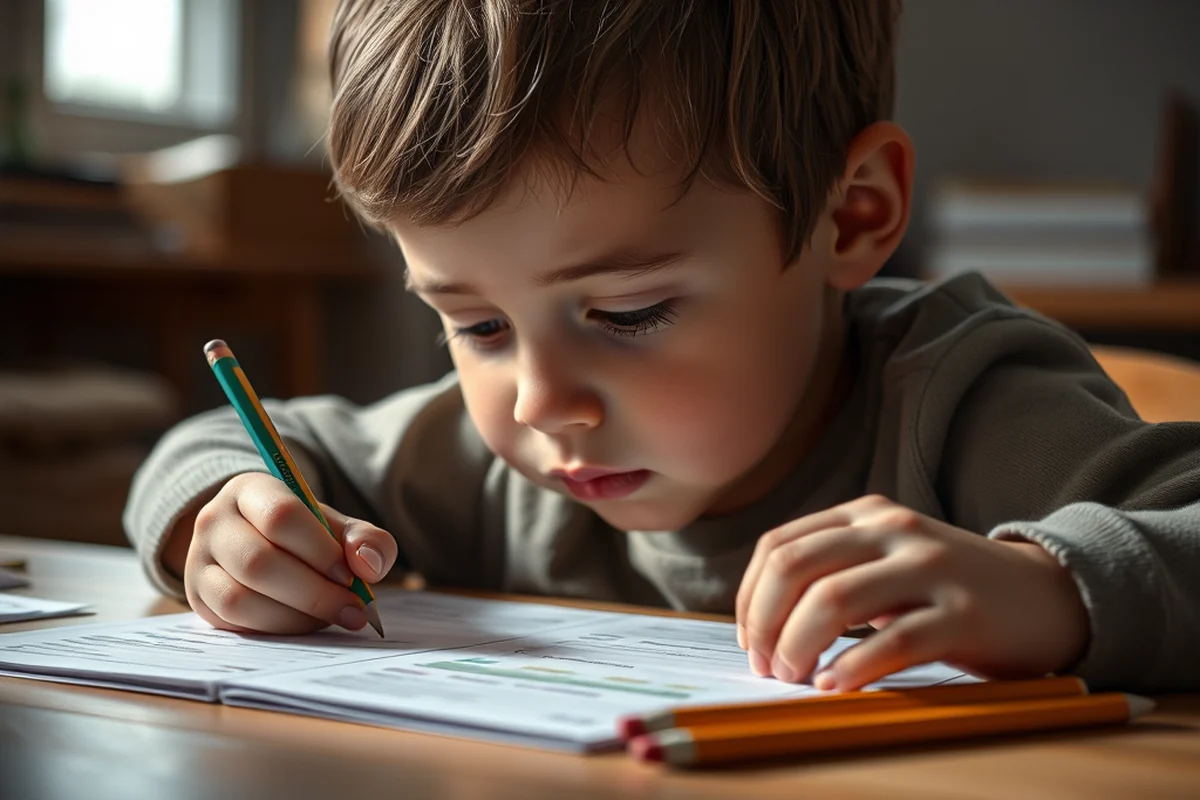
When kids set goals, they begin to reflect on their learning process. For instance, one of my students set a goal of 'Learning to write a paragraph about my favorite animal.' As she worked on this goal, she realized she needed help with sentence structure and vocabulary. This self-awareness led her to ask for help and take steps to improve.
Another student, who wanted to improve his spelling, noticed that he made the same mistakes repeatedly. He started keeping a spelling journal to track his errors, which helped him understand where he needed to focus more effort. This kind of self-assessment is a crucial part of learning and growth.
I’ve found that the more kids set goals, the more they become aware of their learning journey. This self-awareness is a powerful tool that helps them take ownership of their education and continue improving over time.
Goal setting is a mirror that shows kids where they are and where they want to go.
Related: Cheap teaching learning goals
Goal Setting Encourages Ownership of Learning
One of the most powerful aspects of goal setting is that it helps kids take ownership of their education. I’ve seen this in my classroom, where students who set their own learning goals are more committed to achieving them. One student set a goal of 'Learning how to use commas correctly in my writing.' He worked on this every day, and by the end of the week, his writing had improved significantly.
Another student, who wanted to improve his reading speed, set a goal of 'Reading 10 pages every day.' He tracked his progress with a simple chart. By the end of the week, he had completed the goal and was excited to continue. This sense of ownership is crucial for long-term learning success.[3]
When children feel that they have control over their learning, they are more likely to take responsibility for their progress. This ownership leads to increased motivation and a deeper commitment to learning.
Allowing kids to choose their own goals gives them a sense of ownership and makes the process more engaging for them.
“I remember the first time I sat down with my daughter to set a learning goal.”— Teaching Goal Setting to Kids editors
Related: What is in a lesson plan
Goal Setting Develops Long-Term Habits
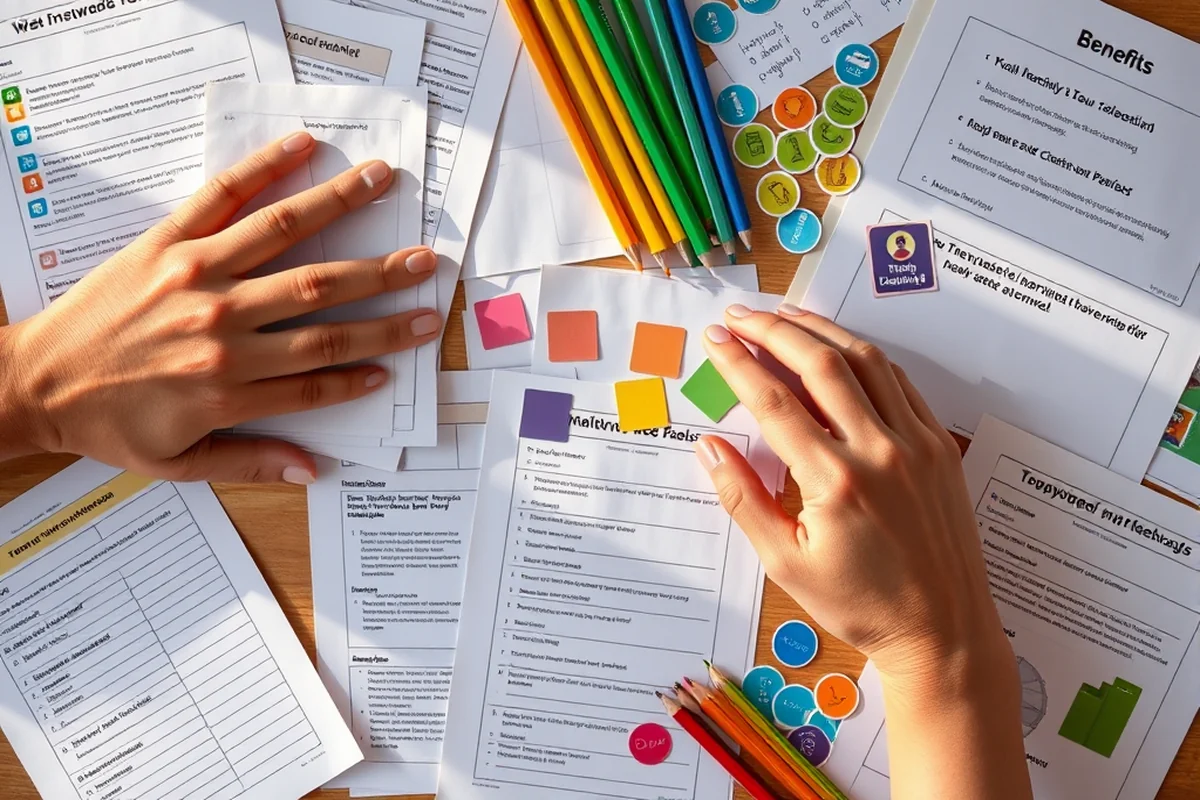
One of the most important benefits of goal setting is that it helps kids develop habits that support long-term learning. For example, a student who set a goal of 'Learning to write a paragraph every day for a week' developed a habit of writing regularly. This habit continued even after the goal was completed, which is a key part of long-term learning.
Another student set a goal of 'Practicing multiplication facts for 10 minutes every day.' By the end of the week, they had not only met their goal but had also formed a habit of practicing math regularly. This kind of consistency is crucial for mastering new skills.[4]
I’ve seen this work in my classroom, where students who set goals consistently develop habits that support their learning. These habits become second nature and help them continue to grow and improve over time.
Related: What is a lesson plan format
Goal Setting Encourages Problem-Solving Skills
When kids set goals, they often encounter challenges that require them to think creatively and find solutions. For example, one student set a goal of 'Learning how to write a story in one week.' When he struggled with coming up with ideas, he used a brainstorming sheet to generate plot points. This helped him stay on track and complete his goal.
Another student, who wanted to improve his spelling, realized that he was making the same mistakes over and over. He decided to use a spelling app that provided instant feedback, which helped him correct his errors quickly. This kind of problem-solving is essential for learning and growth.
I’ve seen this work in my classroom, where students who set goals often develop problem-solving skills that help them overcome challenges and continue learning. These skills are crucial for long-term success.
Related: Teaching learning goals troubleshooting
Goal Setting Builds Confidence and Self-Esteem
One of the most powerful benefits of goal setting is that it helps kids build confidence and self-esteem. I’ve seen this in my classroom, where students who set and achieve their learning goals become more confident in their abilities. For example, one student set a goal of 'Learning to solve math problems with two steps.' When he completed the goal, he celebrated with his class and felt a sense of pride in his achievement.
Another student, who wanted to improve her writing, set a goal of 'Writing a letter to a friend.' She worked on it every day. By the end of the week, she had completed the goal and was excited to show it to her friend. This sense of accomplishment is crucial for building confidence and self-esteem.
When children achieve their learning goals, they gain confidence in their abilities and are more likely to take on new challenges. This confidence supports their overall development and helps them continue to grow and learn.
Confidence starts with small achievements and grows through consistent effort.
Related: Teaching learning goals alternatives
Goal Setting Fosters a Growth Mindset
One of the most important benefits of goal setting is that it helps kids develop a growth mindset. A growth mindset is the belief that abilities can be developed through effort and learning. I’ve seen this in my classroom, where students who set goals often view learning as a process rather than a fixed outcome.
For example, one student set a goal of 'Learning how to add two-digit numbers by the end of the month.' When he struggled with the concept, he kept trying and eventually mastered it. This experience helped him understand that learning is a process that requires effort and persistence.
Another student, who wanted to improve her spelling, realized that she needed to put in more effort and practice. This experience helped her develop a growth mindset, which is crucial for long-term learning and success.
🎯 Younger Kids (Ages 3-6)
Use simple, visual goals like 'Read 5 books in one week' and use a colorful chart to track progress.
📚 Older Kids (Ages 7-12)
Set more complex learning goals, such as 'Write a research report on a topic you're interested in.'
📄 No-Prep Version
Use a goal-setting worksheet that can be printed and filled out quickly with minimal preparation.
👥 Group Version
Have students work in small groups to set learning goals and support each other in achieving them.
🚀 Extension Activity
Challenge students to set long-term goals that span several weeks or months and revisit them regularly.
| The mistake | Why it happens | The fix |
|---|---|---|
| Setting a goal that is too vague or difficult. | This can lead to frustration and a lack of motivation. | Choose a goal that is specific, measurable, and achievable within a short timeframe. |
| Forcing the child to set a goal they’re not interested in. | This can make the child disengaged and less likely to achieve the goal. | Let the child choose their own goal based on their interests and learning needs. |
| Not celebrating the child's progress or achievements. | This can lead to a lack of motivation and a sense of failure, even if the goal was partially achieved. | Celebrate every step of the way, no matter how small. This helps build confidence and encourages continued learning. |
| Ignoring the child’s feedback or input when setting the goal. | This can lead to a lack of ownership and motivation. | Involve the child in every step of the goal-setting process and listen to their thoughts and ideas. |
Teaching Learning Goals Benefits
Common Questions
How can I help my child set a learning goal?
What if my child struggles to meet their goal?
How can I track my child’s progress toward their learning goal?
What are some examples of good learning goals for kids?
References
- Improving Reading Outcomes for Students with or at Risk for ... (ies.ed.gov)
- 2019-20 Student Learning Objectives (SLO) Guidebook (ed.sc.gov)
- Relating Children's Early Elementary Classroom Experiences to ... (pmc.ncbi.nlm.nih.gov)
- DAP: Teaching to Enhance Each Child's Development and Learning (naeyc.org)
Cite this guide
Teaching Goal Setting to Kids (2026). Teaching Learning Goals Benefits. https://playandachieve.com/teaching-learning-goals-benefits/
Feel free to cite or share this guide.