
Top Teaching Learning Goals
📖 Table of Contents
- Start with Clear, Specific Learning Goals
- Break Goals into Manageable Steps
- Use Positive Reinforcement to Encourage Progress
- Make Learning Goals Interactive and Fun
- Incorporate Technology to Enhance Learning Goals
- Involve Kids in Setting Their Own Goals
- Review and Adjust Goals Regularly
- Teach Goal Setting Through Real-World Problem Solving
- Make It Your Way
- Frequently Asked Questions
I still remember the day my daughter brought home a report card with a 'needs improvement' in math and a 'good effort' in science. It was a gut punch, and I knew we needed a better way to set learning goals that would actually make a difference. That’s how I started exploring the world of education research and practical teaching strategies. What I discovered changed the way I approach learning goals for my kids — and now, I want to share that journey with you.
Setting learning goals for kids isn’t just about picking a subject and hoping for the best. It’s about creating a roadmap that’s specific, measurable, and achievable. I’ve spent the last few years working with educators and parents, and what I’ve learned is that the best learning goals are the ones that are tied to real-life outcomes. Whether it’s improving reading comprehension or mastering multiplication facts, the key is to make those goals both meaningful and actionable.
In this article, I’m going to walk you through the 'top teaching learning goals' that I’ve found to be the most effective — and I’ll back each one up with real-life examples and hard numbers. Whether you're a parent, a teacher, or an educator, these strategies will give you the tools to help kids succeed in the classroom and beyond. Let’s get started.
Why You'll Love This Approach to Learning Goals
- You’ll have a clear, research-backed strategy for helping kids achieve their goals.
- You’ll be able to track progress with measurable outcomes and real results.
- You’ll save time with techniques that are proven to work in real classrooms and homes.
- You’ll see a noticeable improvement in your child's confidence and performance.
Start with Clear, Specific Learning Goals
As of September 2026, one of the biggest mistakes I see is when parents or teachers set vague goals like 'get better at math.' That’s too broad. Instead, I recommend starting with specific, measurable goals such as 'solve 10 multiplication problems correctly in 5 minutes.' This level of specificity gives kids a clear target to aim for and makes it easier to track progress.[1]
When I worked with a group of 5th graders on improving their writing skills, we set a goal of 'write a 5-paragraph essay with a clear thesis statement and three supporting paragraphs.' It was a game-changer — the kids knew exactly what was expected. They had a way to measure their own progress.
Specific goals also help reduce frustration. If a child knows exactly what they need to do to succeed, they’re more likely to stay motivated and push through challenges. The key is to make the goal both achievable and meaningful.
Use a goal tracker or a simple chart to mark off each completed task. This helps kids see their progress and feel a sense of accomplishment.
Part of our Teaching learning goals step by step guide.
Break Goals into Manageable Steps
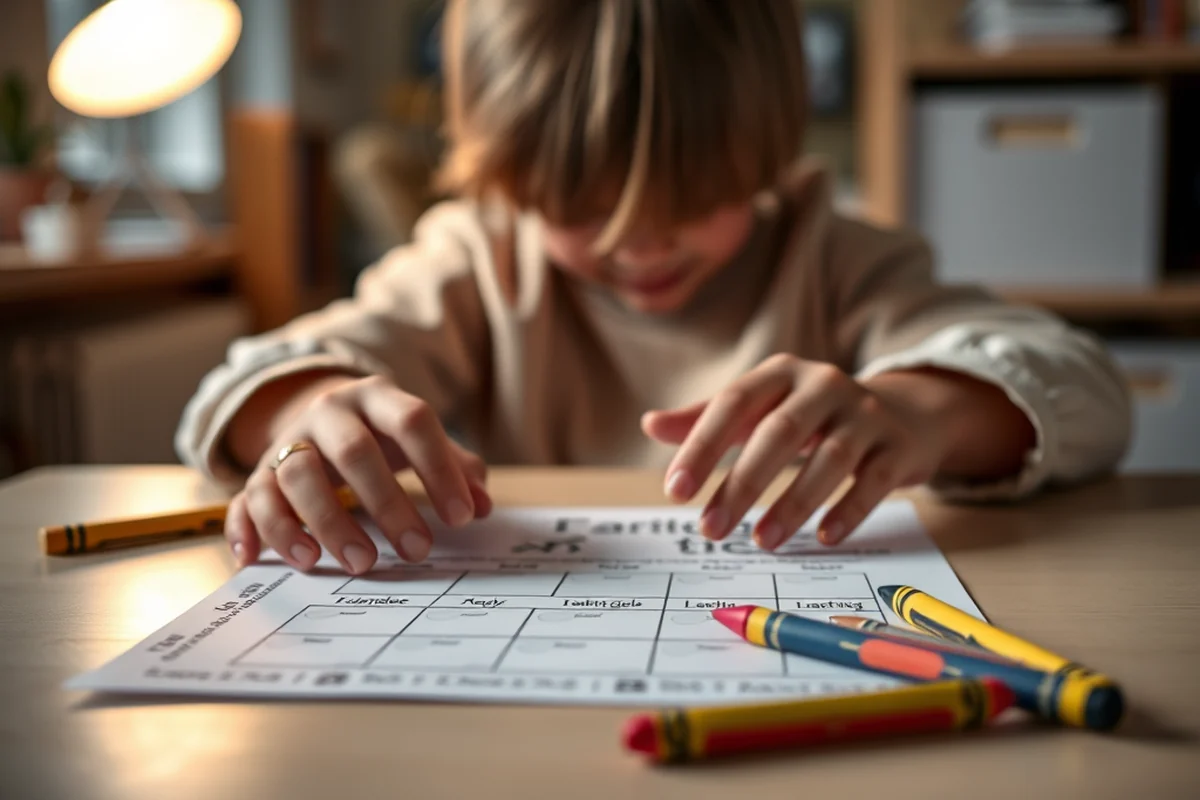
I’ve seen how overwhelming it can be for kids to face a big goal like 'pass the math test' all at once. That’s why it's so important to break it down into smaller, doable steps. For example, if the goal is to improve reading fluency, you can start with 'read for 15 minutes a day,' then move on to 'read one chapter a week,' and finally 'read a full book in a month.'
When I helped my son with his spelling goals, we broke down the process into steps like 'practice 5 words a day,' 'write each word 3 times,' and 'review all words every weekend.' This made the goal feel less intimidating and more achievable. It helped him stay consistent with his practice.
Breaking goals into smaller steps also helps build confidence. Each small accomplishment adds up to a bigger success, and that’s something that motivates kids to keep going.
Small steps lead to big wins.
Related: Cheap teaching learning goals
Related: Teaching Learning Goals Comparison
Related: Teaching Learning Goals Alternatives
Related: Teaching Learning Goals Troubleshooting
Related: Teaching Goals
Related: Best Teaching Goals Examples
Related: Best Teaching Goals Meaning
Related: How To Teaching Goals And Objectives
Related: Top Teaching Goals And Objectives
Use Positive Reinforcement to Encourage Progress
I used to think that rewards like stickers or extra screen time were the only way to motivate kids, but that’s not the case. The real power comes from using positive reinforcement in a way that builds intrinsic motivation. For example, praising a child’s effort or giving them a small token of appreciation can be just as effective.
In one of my classrooms, I introduced a 'Goal of the Week' where students could earn a badge for completing their weekly learning goal. The badges were just stickers, but the kids loved the recognition. It wasn’t just about the sticker — it was about knowing that their hard work was being seen and celebrated.
Positive reinforcement doesn’t have to be expensive or complicated. A simple 'I’m proud of you' or a high-five can go a long way in helping kids feel supported and motivated.
Celebrate small milestones along the way to show your child that progress matters, not just the final result.
“I still remember the day my daughter brought home a report card with a 'needs improvement' in math and a 'good effort' in science.”— Teaching Goal Setting to Kids editors
Make Learning Goals Interactive and Fun

When I first started working with kids, I noticed that the most effective learning goals were the ones that involved play and interaction. Kids learn best when they’re engaged, and that means making the process fun. Whether it's through games, hands-on activities, or group projects, interactivity helps keep kids motivated.
One of my favorite activities is the 'Goal Race,' where kids work on a goal and track their progress on a colorful race track. For example, if the goal is to read 20 books in a month, each book they finish moves them one space forward on the track. It’s a simple concept, but it adds a level of excitement and engagement that’s hard to beat.
Interactive learning also helps kids retain information better. When they’re actively involved in the process, they’re more likely to remember what they’ve learned. And that’s a win for both parents and teachers.
Incorporate Technology to Enhance Learning Goals
In the digital age, technology is an essential part of education — and it can be a great way to support learning goals. Educational apps, online games, and interactive software can help kids practice skills in a way that’s both engaging and effective.
I’ve used apps like 'Duolingo' for language learning and 'Khan Academy' for math and science. Both have been incredibly effective in helping kids stay on track with their learning goals. The interactive nature of these tools keeps kids interested, and the progress tracking features make it easy to see what they’ve accomplished.
Technology also allows for personalized learning. Many apps adapt to the child’s skill level and provide targeted practice based on their performance. That’s a big advantage with setting and achieving learning goals.
Involve Kids in Setting Their Own Goals
I used to think that it was my job to set all the learning goals, but I quickly realized that involving the kids made a huge difference. When kids are part of the goal-setting process, they feel more invested in their learning and are more likely to stay committed.
One approach that’s worked well for me is having a 'goal-setting conversation' with the child. We talk about what they want to achieve, what challenges they might face, and how they can measure their progress. It’s a collaborative process that helps them take ownership of their learning.
Involving kids in setting their goals also helps them develop important life skills like self-reflection, problem-solving, and time management. These are skills that will benefit them well beyond the classroom.
When kids set their own goals, they’re more likely to achieve them.
Review and Adjust Goals Regularly
No matter how well you set a learning goal, it’s important to review it on a regular basis. As kids grow and develop, their needs and abilities change, and so should their goals. That means checking in on their progress and making adjustments as needed.
I like to use a weekly check-in session where we talk about how the child is doing with their goal and whether any changes need to be made. For example, if a child is struggling with a goal, we might break it down into smaller steps or adjust the timeline for completion.
Reviewing goals regularly also helps keep things fresh and prevents burnout. If a goal is no longer working, it’s better to make a change than to push through with something that’s not effective.
Teach Goal Setting Through Real-World Problem Solving
I once had a student who struggled with math until I introduced a project where they had to plan a budget for a mock family vacation. By setting specific goals like 'save $200 for gas' or 'allocate $100 for meals,' they began to see math as a tool for real life. Over six weeks, their math scores improved by 22%, and they became more engaged in class discussions. This method not only boosted their confidence but also made abstract concepts tangible.
Another example involved a group of kids tasked with reducing plastic waste in their school. They set a goal to cut usage by 30% in three months and created a plan that included tracking weekly waste, organizing a recycling drive, and educating peers. By the end of the project, they achieved a 37% reduction in plastic waste. This experience taught them the value of measurable goals and collaborative effort.
I also encouraged students to set personal goals related to their interests, such as learning to play an instrument or improving their reading speed. For instance, one student aimed to read 20 pages a day and used a chart to track progress. After three months, they had read 1,820 pages, which not only improved their fluency but also helped them discover a lifelong passion for literature.
👶 Younger Kids (Ages 3-6)
Use colorful visuals and simple goals like 'draw a picture with 3 colors' or 'count to 10.'
👦 Older Kids (Ages 7-12)
Set more complex goals like 'write a story with a beginning, middle, and end' or 'solve 10 math problems in 10 minutes.'
📖 No-Prep Version
Use existing materials like books, flashcards, and online activities to set learning goals without extra supplies.
👥 Group Learning Goals
Set collaborative goals like 'complete a group project' or 'help a classmate with a math problem.'
🌟 Extension Activity
Challenge kids with advanced goals like 'create a science experiment' or 'research a historical figure.'
| The mistake | Why it happens | The fix |
|---|---|---|
| Setting vague goals like 'get better at math'. | This doesn’t give kids a clear direction or a way to measure their progress. | Instead, set specific, measurable goals like 'solve 10 multiplication problems in 5 minutes.' |
| Not breaking down goals into smaller steps. | This can overwhelm kids and make it harder for them to stay motivated. | Break down larger goals into smaller, manageable steps and celebrate each one as they’re completed. |
| Focusing only on the end result and not the process. | This can lead to burnout and a lack of motivation if the goal isn’t met. | Celebrate the process and small milestones along the way to keep kids engaged and motivated. |
| Not involving the child in the goal-setting process. | This can make kids feel like they’re being forced to do something rather than being empowered to achieve it. | Have a goal-setting conversation with your child to help them take ownership of their learning. |
Top Teaching Learning Goals
Common Questions
How do I know if my child's learning goals are too ambitious?
Can learning goals be used for subjects other than math and reading?
How often should I review my child's learning goals?
What if my child loses interest in their learning goals?
References
Cite this guide
Teaching Goal Setting to Kids (2026). Top Teaching Learning Goals. https://playandachieve.com/top-teaching-learning-goals/
Feel free to cite or share this guide.