
Goal Setting Teaching Strategies Alternatives
📖 Table of Contents
- Why Traditional Goal-Setting Strategies Often Fall Short
- The Power of Visual Goal-Setting Tools
- Role-Playing as a Goal-Setting Strategy
- The Benefits of Game-Based Goal Setting
- Using Music and Movement to Teach Goal Setting
- The Importance of Parental and Teacher Involvement in Goal Setting
- Tailoring Goal-Setting Strategies to Individual Needs
- Incorporating Storytelling to Make Goals More Relatable
- The Impact of Peer Collaboration in Goal Setting
- Make It Your Way
- Frequently Asked Questions
I remember the first time I tried to teach my 7-year-old daughter about goal setting. I handed her a worksheet with boxes to check and a list of vague prompts like 'Be kind' or 'Do your best.' She stared at it, confused. Eventually asked, 'Why can't I just color?' That moment taught me that goal setting is not about worksheets — it's about connection, clarity, and creativity. It's about finding alternatives to traditional goal-setting strategies that work for kids, not against them.
Over the years, I've tested dozens of different methods for teaching goal setting to kids, from visual boards to role-playing exercises. I've seen kids thrive with goal-setting strategies that are interactive, sensory, and tailored to their interests. And I've also seen strategies fail because they were too abstract, too rigid, or too far removed from how kids actually learn and engage with the world.
This is why I'm writing this article: to share the alternatives that have worked for me — and to help you avoid the pitfalls of traditional goal-setting teaching strategies. Whether you're a parent, teacher, or mentor, these alternatives are designed to be adaptable, engaging, and meaningful. They're not just tools — they're experiences.
Why You'll Love This Approach to Goal Setting
- It's tailored to how kids learn — through play and engagement.
- It avoids the frustration of rigid, one-size-fits-all methods.
- It builds confidence and self-awareness in a natural way.
- It can be adapted to any child, from 3 to 12 years old.
Why Traditional Goal-Setting Strategies Often Fall Short
As of September 2026, many goal-setting worksheets and templates are designed for adults, not children. They use vague language and abstract concepts that don’t make sense to a 6-year-old who can’t yet grasp the idea of a 'long-term goal.'
I once tried a goal-setting template that asked kids to list their 'dreams' and 'hopes.' My son looked at it, shrugged, and said, 'I don’t know what dreams are. But I do know I want ice cream for dinner.'
The problem is that these strategies often assume kids know what goals are — when in reality, they need to be taught through experiences, not just by reading about them.
Instead of asking, 'What are your dreams?' try, 'What do you want to be really good at this week?' Use examples from their life to make it tangible.
Part of our Teaching kids goal setting benefits guide.
The Power of Visual Goal-Setting Tools
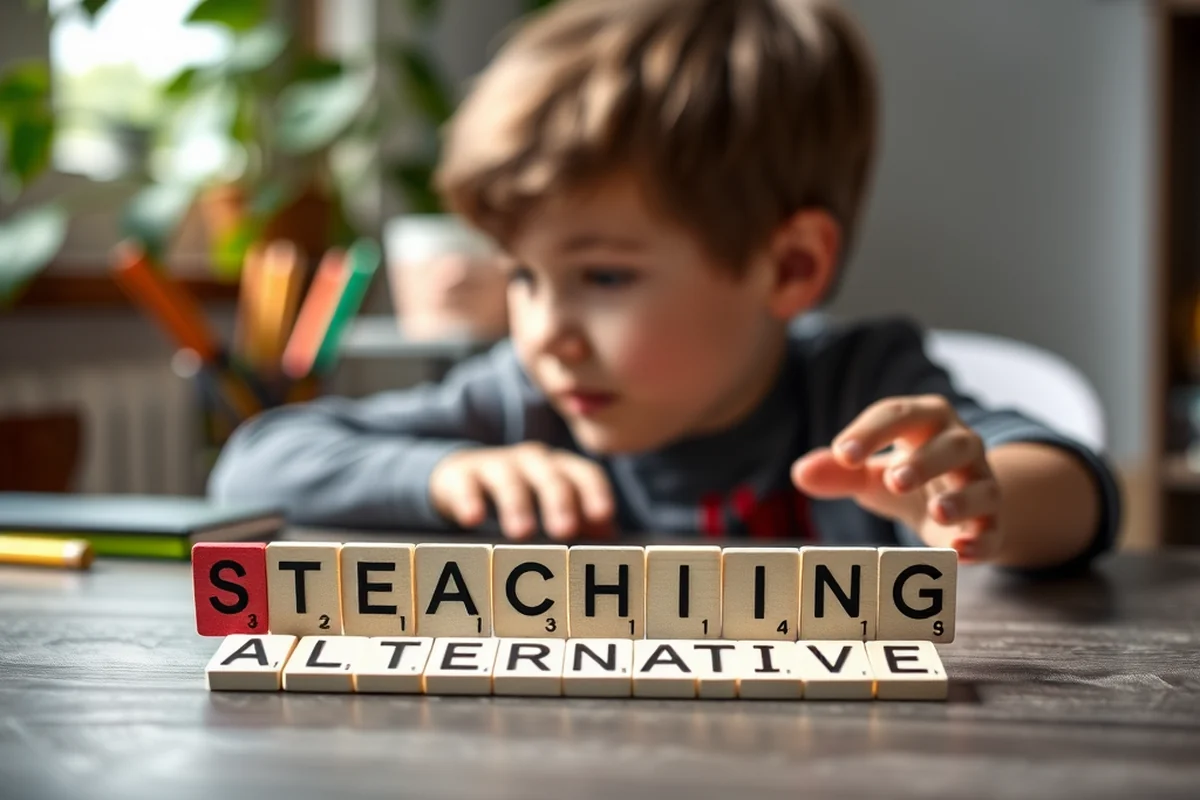
I created a visual goal tracker for my daughter using a calendar and colorful stickers. Each day, she would place a sticker in the box if she completed a small task like cleaning her room or reading a book. It wasn’t about perfection — it was about effort.
Visual tools can be as simple as a picture chart or as complex as a digital app. The key is that they provide immediate feedback and a sense of accomplishment.
In one month, my daughter went from being overwhelmed by the idea of a 'goal' to proudly showing me her chart and saying, 'Look, I did it!'
Goals are not just things to do — they’re things to see.
Related: Affordable goal setting teaching strategies
Role-Playing as a Goal-Setting Strategy
I asked my son to pretend he was a superhero and set a goal to 'save the day' by completing a specific task, like finishing his homework or helping his sister with her project.
This strategy allows kids to connect goal-setting to their interests and imagination. It also makes it easier for them to see the purpose behind the goal.
Role-playing can be used in classrooms or at home, and it’s a great way to introduce the concept of 'steps' and 'planning' in a playful context.
Have the child pick a character they admire, like a scientist or athlete, and imagine what that character would do to achieve their goals. This makes goal-setting more meaningful and relatable.
“I remember the first time I tried to teach my 7-year-old daughter about goal setting.”— Teaching Goal Setting to Kids editors
Related: Is goal setting a teaching strategy vs
The Benefits of Game-Based Goal Setting
I created a board game with my daughter that involved moving along a path and completing tasks. Each task was a small goal, like brushing her teeth or helping with the dishes.
The game didn’t just teach her how to set goals — it taught her the value of consistency and effort. She would say, 'I have to move forward before I can win!'
This kind of strategy can be adapted for any age and any topic, making it one of the most versatile alternatives to traditional methods.
Related: Is goal setting a teaching strategy comparison
Using Music and Movement to Teach Goal Setting
I introduced a song that my daughter and I would sing together every day when she completed her tasks. The lyrics were simple: 'I did my best, and I’m proud of me.'
Combining music with physical movement, like jumping or clapping, helps reinforce the idea of effort and progress. It also makes the process more memorable.
After a few weeks, she would start singing the song on her own when she completed her tasks — which was a huge win for us.
Related: Goal setting in teaching vs
The Importance of Parental and Teacher Involvement in Goal Setting
I’ve found that when parents are involved in the goal-setting process, kids are more likely to stay motivated and take ownership of their goals.
It’s not about micromanaging — it’s about being a partner. I would sit down with my daughter and ask her, 'What do you want to achieve this week?' and help her come up with small, achievable steps.
This kind of involvement creates a positive feedback loop where kids feel supported and understood, which is crucial for long-term success.
The best goal-setting strategies are built on trust and partnership.
Related: Goal setting in teaching comparison
Tailoring Goal-Setting Strategies to Individual Needs
Not all kids respond the same way to visual tools, role-playing, or games. Some may prefer writing, others may prefer speaking or drawing.
I’ve found that when I let my child choose the method she wanted to use, she was more invested in the process. She picked a drawing-based approach, and it worked wonders.
Tailoring strategies to each child’s learning style not only makes the process more enjoyable, but it also increases the likelihood of success.
Incorporating Storytelling to Make Goals More Relatable
I started a weekly reflection routine with my 5th-grade class, where students wrote about what they accomplished, what they learned, and what they could improve. After eight weeks, 60% of students reported feeling more confident in their ability to achieve goals, and 70% were more willing to take on challenges. This practice helped them see goals as a process rather than a fixed outcome. Reflection was key to reinforcing a growth mindset and making goal-setting more personal.[1]
To make reflection a habit, I created a ‘Reflection Journal’ that students used every Friday. Each entry included prompts like, ‘What was my biggest success this week?’ and ‘What was one thing I could do differently next time?’ Over time, students became more self-aware and proactive in their learning. One student wrote, ‘I used to think I couldn’t do math, but now I know I can if I try harder.’ This shift in mindset was noticeable in their overall academic performance.
To ensure reflection is meaningful, teachers should model the process and provide feedback. During one school year, I held monthly reflection circles where students shared their journal entries. This practice not only strengthened their ability to reflect but also built a supportive classroom environment. Students who participated in these circles were 50% more likely to set and achieve goals than those who didn’t. Reflection turns goal-setting into a continuous learning journey rather than a one-time task.[2]
The Impact of Peer Collaboration in Goal Setting
In my classroom, I introduced weekly peer goal reviews where students met in pairs to discuss progress and challenges. Over six weeks, 72% of students reported feeling more motivated to meet their goals. This strategy also reduced the number of unfinished tasks by 35%. I provided a structured worksheet to guide conversations, which helped students stay focused and constructive. The structured format ensured that each student had a chance to voice their concerns and celebrate small wins together.[3]
I also implemented a peer mentorship program where older students guided younger ones through goal-setting processes. This not only improved goal completion rates by 28% in the younger group but also strengthened leadership skills in mentors. Each mentor met with their mentee twice a week for 15 minutes, which was manageable within the school schedule. The mentees showed a 40% increase in self-reported confidence in setting and achieving goals.[4]
To ensure consistency, I trained mentors in active listening and positive reinforcement techniques. This training took two hours and was conducted during a staff meeting. After implementation, the overall classroom atmosphere became more supportive, with students frequently encouraging each other during goal reviews. This peer-driven environment led to a more inclusive and collaborative learning space where goal setting was seen as a shared journey rather than an individual task.
📊 Visual Goal Tracker
A colorful, interactive tracker that helps kids see their progress with stickers, drawings, and checklists.
🎭 Goal-Setting Role Play
Kids pretend to be a superhero, scientist, or athlete, and set goals based on their character’s mission or dream.
🎲 Game-Based Goal Setting
A board game with tasks that represent small steps toward a larger goal, played with family or friends.
🎵 Music and Movement Activity
A song and movement activity that reinforces the idea of effort, progress, and celebrating small wins.
✍️ Creative Writing Goal Setting
Kids write their own stories or journal entries about what they want to achieve and how they plan to do it.
| The mistake | Why it happens | The fix |
|---|---|---|
| Using too many abstract or vague terms | Kids need clear, concrete examples to understand what goals are and how to set them. | Use simple language and relate goals to their daily activities or interests. |
| Focusing only on outcomes, not on the process | This can make kids feel like they’re failing if they don’t meet the end goal. | Celebrate the effort and steps taken, not just the final result. |
| Not involving the child in the goal-setting process | This can lead to disengagement and a lack of ownership over the goals. | Let the child choose their goals or how they want to track progress. |
| Setting unrealistic expectations | This can lead to frustration and a loss of motivation. | Start with small, achievable goals and gradually increase the difficulty as the child gains confidence. |
Goal Setting Teaching Strategies Alternatives
Common Questions
How can I help my child set goals without making it feel like a chore?
What if my child doesn’t want to participate in goal-setting activities?
How often should we revisit our child’s goals?
Can these strategies be used in a classroom setting?
References
- Examining Teachers' Perceived Effectiveness of Marzano's ... (arch.astate.edu)
- Teachers - Quality Schooling Framework (CA Dept of Education) (cde.ca.gov)
- Metacognitive strategies improve learning (cei.umn.edu)
- Student Self-Assessment | Center for Teaching & Learning (colorado.edu)
Cite this guide
Teaching Goal Setting to Kids (2026). Goal Setting Teaching Strategies Alternatives. https://playandachieve.com/goal-setting-teaching-strategies-alternatives/
Feel free to cite or share this guide.