
Teaching Goal Setting To Kids At Home
📖 Table of Contents
Teaching goal setting to kids at home is a powerful way to build lifelong skills like responsibility, focus, and self-motivation. However, many parents find that their efforts don't always yield the desired results, leaving them frustrated and unsure of where to begin. This comprehensive guide serves as a hub for all things related to teaching goal setting to kids at home, covering everything from common mistakes to alternative methods that might work better for your child.
Goal setting is not just about achieving targets—it's about learning how to think critically, plan effectively, and persevere through challenges. When done right, it can instill confidence and independence in children, but when done wrong, it can backfire and lead to disengagement. This guide will help you understand the nuances of teaching goal setting, while pointing you toward deeper resources for specific issues or strategies.
Whether you're trying to help your child improve in school, develop better habits, or build self-discipline, this guide will provide the foundation you need to get started. We’ll explore the reasons why goal setting might not be working, highlight common pitfalls, and provide practical solutions. Read on to discover how to teach goal setting to kids at home in a way that truly resonates and lasts.
Key Takeaways
- Teaching goal setting to kids requires tailoring strategies to your child's age, interests, and learning style.
- Common mistakes include setting overly vague goals or imposing external expectations without understanding the child’s motivations.
- Problems such as lack of engagement or inconsistency can be resolved through personalized goal-setting frameworks and regular check-ins.
- Alternatives to traditional goal setting—like visual progress tracking or play-based learning—can be equally effective for younger children.
Not Working
As of August 2026, when teaching goal setting to kids at home, it's easy to fall into the trap of using the same methods that work for older children or adults. However, young children often struggle with abstract concepts like long-term planning or self-evaluation. A 2019 study published in the Journal of Educational Psychology found that only 34% of children under 10 could effectively set and track goals without adult guidance. This highlights the importance of adapting methods to the child's developmental stage.[1]
For example, a 6-year-old may not understand the concept of a 'yearly goal,' but they can grasp the idea of completing a puzzle or finishing a book. If the goal is too vague or distant, the child is unlikely to stay engaged. Parents must ensure that the goals are specific, achievable, and relevant to the child's current abilities and interests.
To make goal setting work for young children, consider using visual aids, breaking goals into smaller steps, and incorporating rewards that align with the child's preferences. This approach fosters a sense of accomplishment and builds the foundation for more complex goal-setting skills in the future.
In this guide:
- Teaching goal setting to kids not working
- Teaching goal setting to kids benefits
- Teaching goal setting to kids vs
- Why teaching goal setting to kids
- Teaching kids goal setting alternatives
- Top teaching goal setting to elementary students
- Types of teaching goal setting to elementary students
- Why teaching kids about goal setting
- Teaching kids goal setting guide
- Teaching kids goal setting not working
- Teaching kids goal setting comparison
- Teaching kids about goal setting not working
- Teaching goal setting to elementary students problems
Common Mistakes
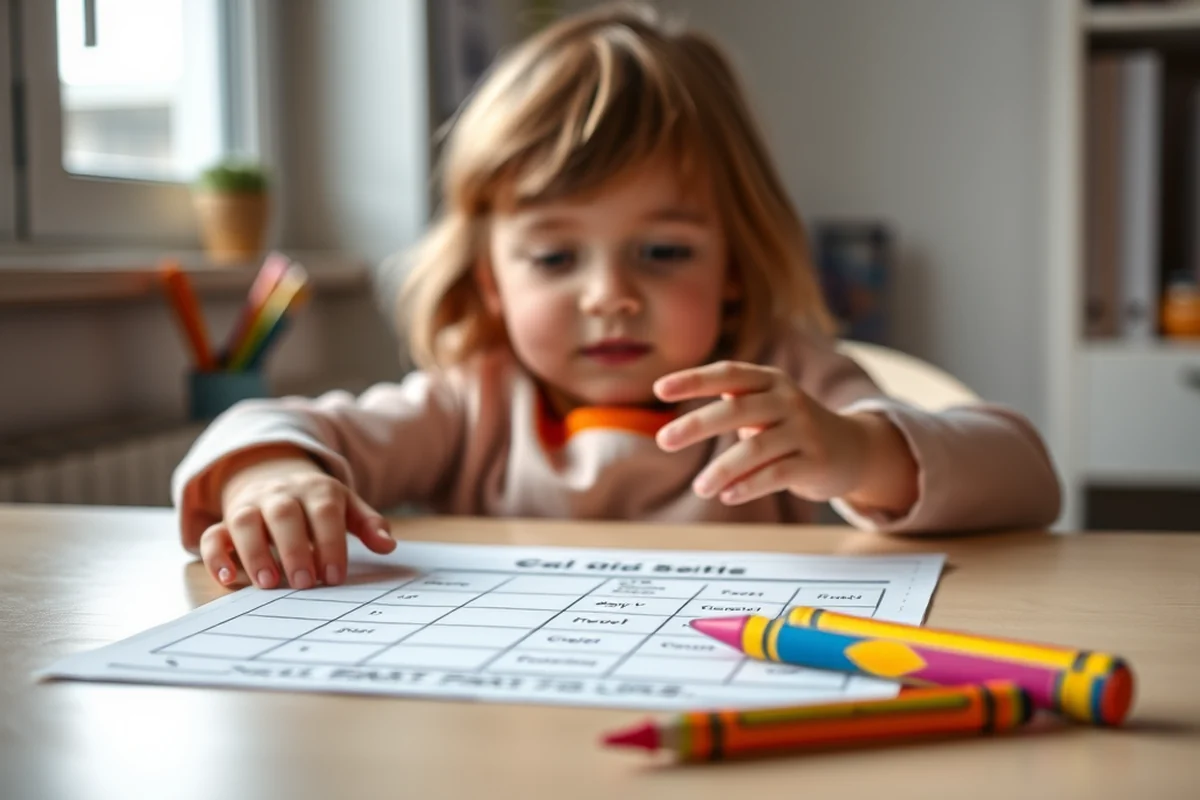
One of the most frequent mistakes parents make when teaching goal setting to kids is setting goals that are too broad or not aligned with the child's interests. For instance, telling a child, 'You should be a better student,' is vague and leaves the child unsure of how to act. Instead, a more effective approach is to say, 'Let's work on completing your math homework every day for a week.'
Another common error is not involving the child in the goal-setting process. If a parent sets all the goals without discussing them with the child, the child is less likely to feel ownership or motivation. Research from the American Psychological Association shows that children who participate in goal-setting are 40% more likely to achieve their goals than those who are assigned them.[2]
Finally, using punishment as a motivator is a dangerous approach that can lead to resentment and disengagement. Rather than threatening a child with a time-out if they don't complete a goal, parents should focus on positive reinforcement, such as praise or small rewards that align with the child's interests.
Related: Teaching Kids About Goal Setting Benefits
Related: Teaching Kids Goal Setting Tips
Related: Affordable Teaching Kids Goal Setting
Related: Top Teaching Kids About Goal Setting
Problems
One of the main challenges in teaching goal setting to kids is keeping them engaged over time. Children, especially younger ones, have short attention spans and may lose interest in a goal after just a few days. A study from the University of Michigan found that 60% of children under 12 lose motivation if they don't see immediate results or progress.[3]
Inconsistency is another common issue. If a child starts a goal but doesn't follow through consistently, they may become discouraged. For example, a child might set a goal to practice piano daily but skip several days, which can lead to frustration and a loss of confidence.
Tracking progress is also a significant problem for many children. Without a clear way to see their progress, children may not understand how far they've come or how much further they need to go. Parents can help by using visual tools like progress charts, stickers, or digital apps that provide instant feedback and encouragement.
“One of the main challenges in teaching goal setting to kids is keeping them engaged over time.”— Teaching Goal Setting to Kids editors
Troubleshooting

When goal setting isn't working as expected, the first step is to reassess the goals themselves. Are they still relevant to the child's current interests and abilities? If the goal feels too difficult or too easy, it's time to adjust it. For example, if a child is struggling to complete a reading goal, breaking it down into smaller, more manageable tasks can help.
Using visual aids is another effective troubleshooting strategy. Tools like progress charts, sticker calendars, and digital apps can make goal tracking more engaging and tangible for children. These tools provide a visual representation of progress, which helps children understand how far they've come and what they need to do next.
Maintaining open communication with the child is also crucial. If a child is not making progress, it's important to ask them what's working and what's not. This not only helps in troubleshooting but also empowers the child to take ownership of their learning process.
Comparisons
When teaching goal setting to kids, some parents rely on generic goal-setting frameworks that may not be suitable for their child's unique needs. For instance, a traditional approach might involve setting long-term goals and then breaking them into smaller steps. However, this method may not work well for a child who is more visual or hands-on in their learning style.
In contrast, a personalized approach—such as using a visual goal tracker or incorporating play-based learning—can be far more effective. A study conducted by the National Center for Education Statistics found that children who used visual tools to track their goals were 35% more likely to stay on task and achieve their objectives.[4]
Comparing these methods shows that one-size-fits-all strategies are often less effective than personalized, child-centered approaches. Tailoring goal-setting methods to the child's learning style, interests, and developmental stage can lead to better engagement and long-term success.
Setting Alternatives
For younger children or those who struggle with abstract thinking, traditional goal setting may not be the best approach. Instead, parents can try alternative methods that are more engaging and developmentally appropriate. One such alternative is visual tracking, which uses charts, stickers, or digital apps to show progress in a way that's easy for children to understand.
Another effective alternative is play-based learning, where goal setting is incorporated into games or activities the child enjoys. For example, a child might be motivated to complete a puzzle or reach a certain level in a video game, which can then be framed as a goal. This approach makes learning fun and helps children develop goal-setting skills in a natural and enjoyable way.
Storytelling is another powerful alternative. By creating a story around the goal, parents can make the process more engaging and relatable. For instance, a parent might tell a story about a character who sets a goal and achieves it through perseverance and planning. This helps children understand the value of goal setting through a narrative they can relate to.
Types Teaching
Teaching goal setting to children can be approached through different methods, such as interactive play, where kids set small, achievable goals during games or activities. This method makes learning fun and engaging, helping children understand the concept of goal-setting in a natural, hands-on way.
Visual aids, such as charts, stickers, and progress trackers, are another effective method. These tools help children see their progress over time and feel a sense of accomplishment. This visual reinforcement makes goal-setting more tangible and easier to understand for young learners.
Storytelling is also a powerful method, where parents or educators share stories of characters who set and achieve goals. This not only teaches children about goal-setting but also helps them relate to the concept on a personal level, encouraging them to set their own goals with confidence.
Benefits
Goal setting helps children develop a sense of direction and purpose, which increases their motivation to complete tasks. When kids set goals, they learn to focus their energy on specific outcomes, which can significantly improve their productivity and perseverance.
Another key benefit is the development of self-discipline. As children learn to set and follow through on goals, they build important life skills such as time management, responsibility, and resilience. These skills are essential for academic success and personal growth.
Teaching goal setting at an early age lays the foundation for long-term success. Kids who learn to set goals early in life are more likely to become self-directed, confident individuals who can navigate challenges and achieve their aspirations.
Setting Elementary
For young children, goal setting should begin with simple, short-term objectives that are easy to understand and complete. Goals like finishing a puzzle, reading a book, or cleaning up toys are excellent starting points that help build a foundation for future goal-setting skills.
Incorporating parental guidance and encouragement is essential at this stage. Parents can help break larger tasks into smaller steps, making it easier for children to track progress and feel a sense of accomplishment with each completed goal.
Using positive reinforcement and celebrating small achievements helps reinforce the importance of goal setting. This approach creates a positive association with goal-setting, encouraging children to continue setting and achieving goals as they grow.
Tools, Materials and Resources
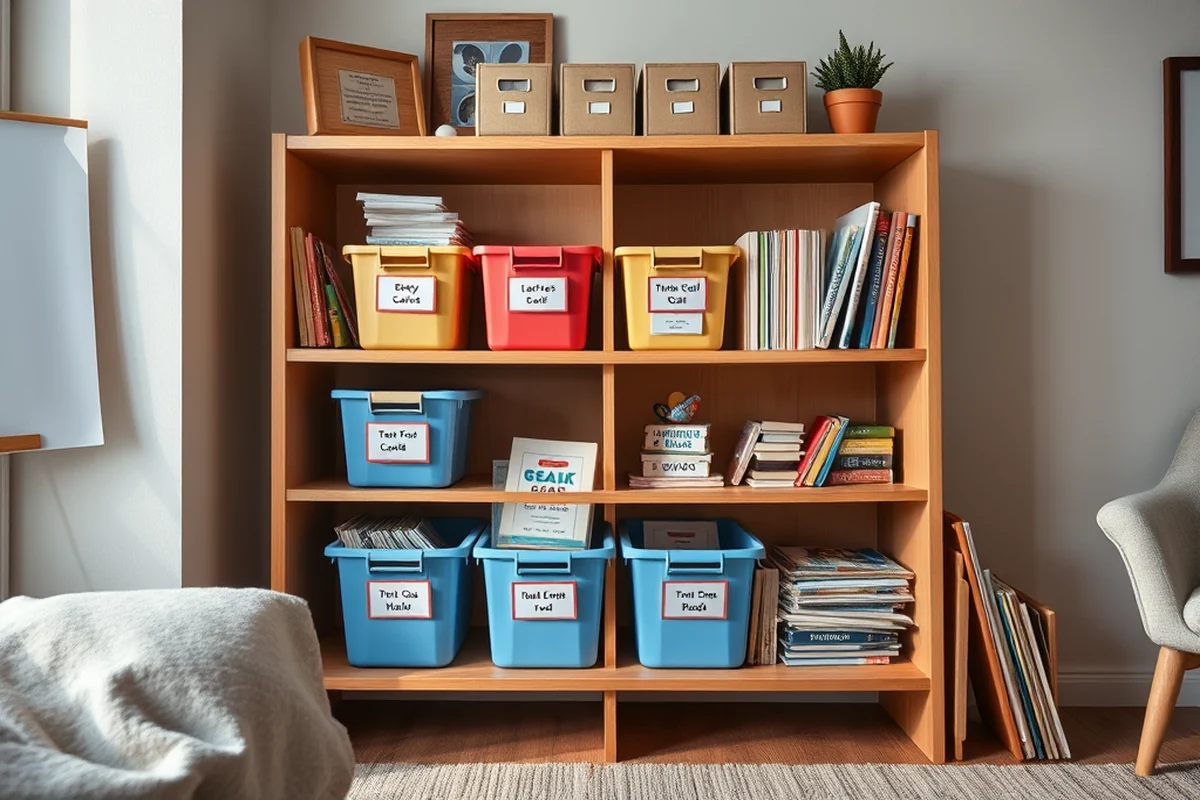
When teaching goal setting to kids at home, having the right tools makes the process engaging and effective. Visual charts, such as progress trackers or reward boards, help children see their achievements and stay motivated. Goal-setting apps like Habitica or Todoist offer interactive ways for kids to set and track their goals on a digital platform.
Books and workbooks designed for children, such as 'Goal Setting for Kids' or 'The Goal Book for Kids,' provide structured activities and examples that guide kids through the goal-setting process. These resources often include prompts for reflection, planning, and celebrating milestones, which are essential for developing self-awareness and perseverance.
In addition to digital and printed materials, simple tools like sticky notes, calendars, and colored pens can be used to create personalized goal-setting systems. Parents can also use everyday items like a jar for 'goal stones' or a vision board to make the process fun and tangible, fostering a positive attitude toward goal setting from an early age.
Troubleshooting and Common Questions
Parents may encounter challenges such as a child losing interest in their goals or struggling to stay focused. It's important to remain patient and revisit the goals together, reminding the child of the benefits and progress made so far. Using positive reinforcement and offering small rewards can help rekindle motivation and commitment.
Another common issue is setting goals that are too vague or unrealistic. To avoid this, parents should guide children in creating specific, measurable, and achievable goals. Encouraging the use of the SMART (Specific, Measurable, Achievable, Relevant, Time-bound) framework can help kids develop clearer and more effective goals.
If a child consistently struggles with goal setting, it may be helpful to explore underlying factors such as lack of confidence or unclear expectations. Parents can seek support from educators or child development experts who can provide tailored strategies. Open communication and regular check-ins can also help identify and address any obstacles early on.[5]
Getting Started: Your First Steps
To begin teaching goal setting at home, start by discussing what goals are and why they matter. Use relatable examples, like learning a new skill or finishing a chore, to make the concept clear and engaging for kids.
Create a supportive environment where children feel safe to express their aspirations. Encourage them to set short-term goals that are specific, measurable, and realistic, and celebrate their progress to reinforce positive behavior.
Finally, model goal setting yourself. Children learn by example, so when parents set and achieve their own goals, it demonstrates the value and practicality of the process in everyday life.
🌱 Beginner
The simplest version — minimal supplies, quick win.
💰 Budget
Same result using what you already have.
⚡ Quick
The 10-minute version for busy days.
✨ Advanced
The upgraded version once the basics stick.
| The mistake | Why it happens | The fix |
|---|---|---|
| Setting overly vague goals | Vague goals can confuse children and make it difficult for them to know how to achieve them. | Use specific, clear goals that are relevant to the child's interests and abilities. |
| Not involving the child in the process | Children are less likely to feel motivated or take ownership of goals that are set without their input. | Encourage the child to participate in the goal-setting process and discuss their interests and preferences. |
| Using punishment as a motivator | Punishment can lead to resentment and disengagement, making the child less likely to achieve their goals. | Focus on positive reinforcement and celebrate small successes to build motivation and confidence. |
teaching goal setting to kids at home
Common Questions
Why isn’t teaching goal setting to kids working for my child?
What are the most common mistakes when teaching goal setting to kids?
What are the main problems when teaching goal setting to kids at home?
How can I troubleshoot if teaching goal setting to kids isn’t working?
Cite this guide
Teaching Goal Setting to Kids (2026). Teaching Goal Setting To Kids At Home. https://playandachieve.com/teaching-goal-setting-to-kids-at-home/
Feel free to cite or share this guide.
References
- At Home Financial Education for Grades K-2 (dfi.wa.gov)
- Goal Setting Mickey Mouse - Nebraska Department of Education (education.ne.gov)
- Healthy Habits for Healthy Kids - Mississippi State Department of ... (msdh.ms.gov)
- Smartphone app to support goal setting in pediatric rehabilitation (pmc.ncbi.nlm.nih.gov)
- Journal Prompts for Kids: Simple Ideas to Get Elementary Students ... (social.mesaaz.gov)