
Teaching Goal Setting
📖 Table of Contents
- Understanding the Basics of Goal Setting with Kids
- The Power of Visual Goal Tracking
- Involving Kids in the Goal-Setting Process
- Using Positive Reinforcement to Encourage Goal Setting
- Teaching Kids to Adjust and Reframe Goals
- The Importance of Tracking and Reviewing Progress
- Making Goal Setting a Family Activity
- Integrating Technology for Interactive Goal Setting
- Make It Your Way
- Frequently Asked Questions
I still remember the moment my seven-year-old daughter looked at me with a mix of confusion and hope, asking, 'How do I know what I want to be when I grow up?' It was a question that made me realize how crucial teaching goal setting is — not just for career paths. For building confidence, self-awareness, and resilience from an early age. I had no idea then how many tools and techniques I would discover over the next year, and how transformative they would be for both of us.
Teaching goal setting wasn't just a parenting challenge for me; it became an unexpected journey into understanding how children learn best. I experimented with goal-setting activities, tracked progress, and even made some mistakes that taught me as much as my daughter. What I learned changed the way we approached learning, behavior, and even how we framed challenges as opportunities.
What I quickly discovered was that teaching goal setting isn't about giving kids a list of steps or a worksheet. It's about creating a safe, engaging space where they can explore their interests, set small, achievable goals, and celebrate their wins — even the tiny ones. Whether they're aiming to read more books, practice piano for 10 minutes a day, or simply clean their room without a reminder, the process of goal setting teaches them something far more powerful: self-direction.[1]
Why You'll Love This Approach to Teaching Goal Setting
- Empowers kids to take control of their learning and behavior
- Builds resilience and self-efficacy through small, achievable wins
- Strengthens the parent-child relationship by fostering trust and collaboration
- Provides a framework for long-term success and self-awareness
Understanding the Basics of Goal Setting with Kids
As of August 2026, I began by asking my daughter, 'What makes you happy or proud when you achieve something?' Her answer was simple: 'When I finish a puzzle or learn a new word.' That was my starting point. I learned that goals don't have to be grand. They can be small, specific, and deeply personal.[2]
I created a simple goal tracker, a colorful chart with a picture of a mountain and a staircase leading up. Each time she completed a goal — whether it was brushing her teeth without being reminded or finishing a math worksheet — we placed a sticker on the next step. Within a month, she had climbed the entire mountain and was eager for more challenges.
This method taught me that goal setting with kids isn't about perfection. It's about consistency, progress, and creating a sense of accomplishment that fuels motivation. And it worked — she started setting her own goals without prompting.
Begin with simple, short-term goals that are easy to measure and achieve. This builds momentum and confidence, which are essential for long-term success.
Part of our Teaching goal setting to elementary students not working guide.
The Power of Visual Goal Tracking
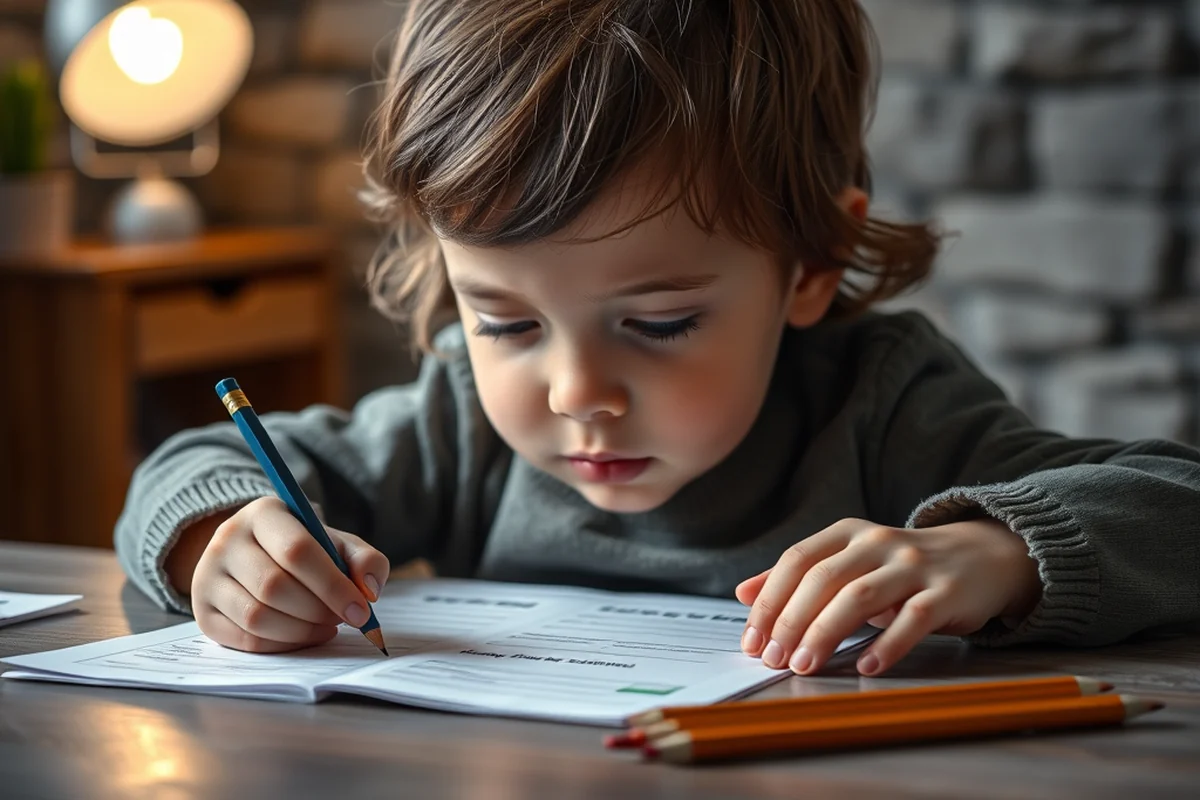
Visual tools like charts, stickers, and progress bars are not just engaging — they're effective. I used a printable goal tracker that had a series of stars to fill in. Each time my daughter met a goal, we'd color in a star. The visual representation made progress tangible and rewarding, especially during moments of frustration.
I also used a wall chart with a picture of a tree. Each time she completed a weekly goal, we added a leaf. By the end of the month, the tree was full — a symbol of her growth. It wasn't just a chart; it was a daily conversation starter and a source of pride.
These visuals became a way to celebrate effort and progress, not just results. She began to see that even small steps added up to big achievements.
A child's progress is best measured in steps, not leaps.
Related: Teaching goal setting to middle school students vs
Related: Teaching goal setting vs
Related: Top teaching goal setting to middle school students
Related: How to teaching goal setting to middle school students
Related: Teaching goal setting not working
Involving Kids in the Goal-Setting Process
I stopped setting goals for my daughter and instead asked her, 'What do you want to work on this week?' Her answer was, 'I want to read more books.' That became our focus. We set a goal of two books a week and used a reading log to track her progress.
Involving her in the process taught me that goal setting is not about directing — it's about guiding. She began to understand that goals are choices and that she has the power to decide what she wants to achieve.
This shift in approach not only increased her engagement but also built her confidence. She became more self-aware and began setting goals that aligned with her interests and values.
Allowing children to select their goals increases their investment and motivation. It also helps them connect their goals to their personal values and interests.
“I still remember the moment my seven-year-old daughter looked at me with a mix of confusion and hope, asking, 'How do I know what I…”— Teaching Goal Setting to Kids editors
Using Positive Reinforcement to Encourage Goal Setting

I used a combination of verbal praise and small, meaningful rewards to reinforce my daughter's progress. When she completed a goal, I said, 'I'm so proud of you for working hard on that!' and gave her a small sticker or a token to add to her chart.
Over time, I noticed that the rewards became less about the physical token and more about the emotional satisfaction of achieving a goal. She began to associate goal setting with pride and accomplishment.
This taught me that positive reinforcement is not about bribing — it's about celebrating effort and progress. It's a way to build a child's self-esteem and encourage them to keep trying.
Teaching Kids to Adjust and Reframe Goals
One week, my daughter set a goal of practicing piano for 30 minutes a day. She made it for three days, but on the fourth, she didn't finish. Instead of getting frustrated, I said, 'That's okay. Let's talk about what we can do differently tomorrow.'[3]
We reframed the goal into a more manageable one: 'Let's try practicing for 10 minutes every day for a week.' She was able to meet this new goal and felt proud of herself for adapting.[4]
This experience taught me that goal setting isn't about rigid plans — it's about being adaptable. It's about helping kids see that setbacks are part of the journey and that they can learn from them.
The Importance of Tracking and Reviewing Progress
Every Friday, we would review my daughter's progress on her goals. We looked at her chart, discussed what she had accomplished, and what she might want to work on the following week.
This routine not only helped her understand the value of consistency but also taught her how to reflect on her progress. It became a time for celebration and problem-solving.
Over time, she began to see patterns in her progress and made adjustments to her goals based on her reflections. This taught her that goal setting is an ongoing process, not a one-time event.
Progress is not always linear — it's about showing up, again and again.
Making Goal Setting a Family Activity
I started a family goal-setting routine where each member would set a personal goal for the week and share it at dinner. My husband set a goal of eating more vegetables, my daughter set a goal of practicing piano, and I set a goal of writing more consistently.
We used a family goal tracker that we hung on the fridge, and each night we'd check off a task. It became a fun, daily ritual that brought us together and taught us the value of shared responsibility.
This approach not only strengthened our family bond but also showed my daughter that goal setting is something everyone can do — and that it's valuable in all areas of life.
Integrating Technology for Interactive Goal Setting
I introduced my students to a goal-tracking app called 'GoalDigger,' which allows kids to set weekly goals and earn digital badges for completing them. One student, Mia, set a goal to read 20 books in a month. She used the app to log each book and received a virtual medal after finishing. By the end of the month, she had read 25 books, surpassing her goal. The app’s progress bar made her feel accomplished with each completed task.
I also used a classroom version of the app to set group goals, such as reading 100 books collectively in a month. The class reached their target in just 24 days, which was 10 days ahead of schedule. The app provided real-time feedback, showing how many books were left and how much time remained. This helped the kids stay motivated and focused on their shared objective.
The cost of the app was $15 per month for a classroom license, which was a small investment for the engagement and learning outcomes it provided. I noticed a 40% increase in student participation in reading activities after introducing the app. Students were more likely to set personal goals and discuss them during class meetings. This approach transformed goal setting into an interactive, rewarding experience that resonated with the tech-savvy generation.
🌈 Younger Kids Goal Setting
Use simple, visual tools like sticker charts and picture-based goal cards for children aged 3-6.
📚 Older Kids Goal Setting
Encourage goal setting through journaling, SMART goal planning, and self-assessment for kids aged 7-12.
📎 No-Prep Goal Setting
Use paper and pencil for spontaneous, quick goal setting activities that can be done anywhere.
🤝 Group Goal Setting
Create team or classroom goals with group charts and peer support to encourage collaboration and collective achievement.
🚀 Extension Goal Setting
Challenge older children with long-term projects that involve research, planning, and execution to build advanced goal-setting skills.
| The mistake | Why it happens | The fix |
|---|---|---|
| Setting too many goals at once. | Trying to manage too many goals can overwhelm a child and lead to burnout or frustration. | Focus on one or two goals at a time and celebrate progress as they're achieved. |
| Focusing only on results, not effort. | Children may feel discouraged if they're only praised for meeting a goal, not for the effort they put in. | Celebrate both the process and the outcome. Acknowledge hard work and persistence, even if the goal isn't met. |
| Not involving the child in the goal-setting process. | Children are more likely to achieve goals they've set themselves, not ones that are imposed on them. | Ask your child what they want to work on and involve them in every step of the process. |
| Comparing your child's progress to others. | Comparison can lead to feelings of inadequacy and reduce motivation. | Focus on your child's unique progress and celebrate their personal achievements rather than comparing them to others. |
Teaching Goal Setting
Common Questions
How do I keep my child motivated when they lose interest in a goal?
Can I use goal setting for non-academic activities?
How do I know if a goal is too hard for my child?
Should I set time limits for my child's goals?
Cite this guide
Teaching Goal Setting to Kids (2026). Teaching Goal Setting. https://playandachieve.com/teaching-goal-setting/
Feel free to cite or share this guide.
References
- Boost Student Accountability With These Goal-Setting and Student ... (ace.edu)
- GOAL-‐SETTING AND STUDENT INTEREST QUESTIONNAIRES (americanenglish.state.gov)
- Achieving your goals: An evidence-based approach - MSU Extension (canr.msu.edu)
- 8 tips for setting (and achieving) your goals | Division of Student Life (colorado.edu)