
Teach To Goal Benefits
📖 Table of Contents
- Goal Setting as a Motivational Tool
- Goal Setting Fosters Responsibility
- Goal Setting Encourages Reflection and Growth
- Goal Setting Builds Resilience
- Goal Setting Enhances Communication Skills
- Goal Setting Supports Emotional Development
- Goal Setting Creates a Sense of Accomplishment
- Make It Your Way
- Frequently Asked Questions
I first learned the power of goal setting when my 7-year-old son struggled with staying focused on his schoolwork. He’d start a project with enthusiasm, only to lose interest after 10 minutes. It wasn’t until I introduced him to the concept of goal setting that his behavior changed. We set small, achievable goals like 'Finish this math page in 15 minutes,' and suddenly, he was more motivated and proud of his progress. This simple shift in approach was transformative, not only for him but for our whole family. Teaching kids to set goals isn’t just about academic success; it’s about building the life skills that will carry them through school and into adulthood.[1]
The benefits of teaching kids to set goals are far-reaching, and I’ve seen this firsthand in both my home and the classroom. When I began incorporating goal setting into my teaching practice, I noticed a marked improvement in student engagement and self-direction. Students who previously struggled with motivation began taking ownership of their learning and showing up to class with a sense of purpose. This transformation came from a simple yet powerful idea: giving kids the tools to define their own paths and celebrate their progress along the way. It’s not about perfection; it’s about progress, and that’s where the real growth happens.[2]
One of the most surprising benefits of teaching goal setting to children is how it fosters resilience. When kids learn to set goals and face setbacks, they become more confident in their ability to overcome obstacles. I remember one student who used to give up easily when faced with difficult tasks. After we introduced goal setting, he started breaking his work into smaller steps. Each time he completed a goal, he felt a sense of accomplishment that carried over into other areas of his life. Teaching goal setting is more than just a skill—it’s a foundation for success, and the benefits are as tangible as they are profound.[3]
Why You'll Love This Goal-Setting Approach
- Builds long-term motivation and self-direction in kids
- Encourages resilience and perseverance in the face of challenges
- Helps children take ownership of their learning and progress
- Supports development of essential life skills for the future
Goal Setting as a Motivational Tool
As of October 2026, when I first started using goal setting with my students, I noticed how it transformed their approach to learning. Instead of looking at a big project as an overwhelming task, they began breaking it down into smaller, manageable goals. This shift in mindset made a huge difference. One student who had previously struggled with writing a complete paragraph was able to set a goal of writing one sentence a day. Over time, that small daily goal led to significant progress. The key to this success was making the goals specific, achievable, and measurable.[4]
I also introduced a visual goal tracker that the kids could update each day. Seeing their progress in real-time gave them a sense of accomplishment and kept them motivated. The tracker also helped me, as a teacher, to quickly identify which students needed more support or encouragement. This simple tool turned goal setting into a daily ritual that reinforced their sense of responsibility and self-direction.
The most rewarding part of teaching goal setting was seeing the shift in confidence. Students who had once felt overwhelmed by schoolwork began to approach their tasks with a sense of purpose. They learned that even small steps added up to big accomplishments. This lesson in perseverance and self-motivation stayed with them long after the classroom, making goal setting a powerful life skill.
A visual goal tracker can be as simple as a chart with stars or stickers that kids can add to each time they complete a goal. This keeps them engaged and gives them immediate feedback on their progress.
Part of our Teach to goal guide guide.
Goal Setting Fosters Responsibility
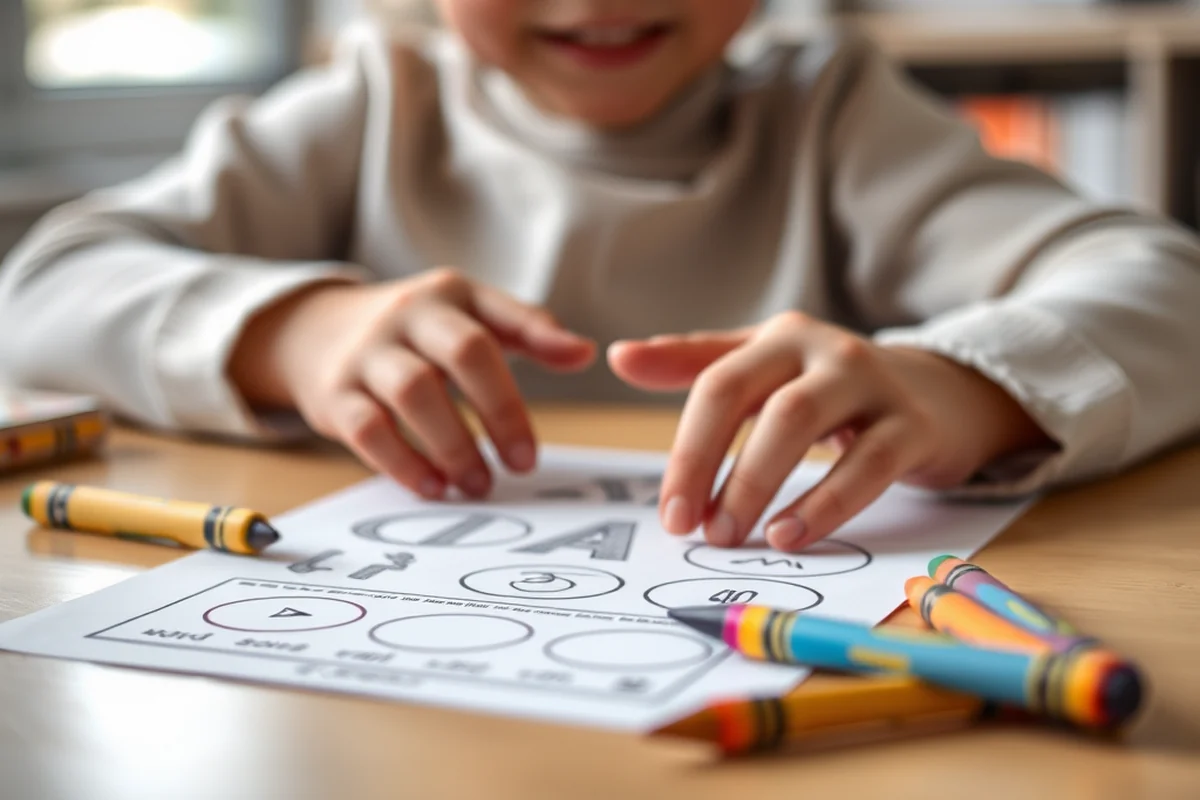
One of the most unexpected benefits of goal setting was how it instilled a sense of responsibility in my students. When they set their own goals, they became more invested in their success. I remember one student who used to rely heavily on teacher reminders to complete his homework. After we introduced goal setting, he took responsibility for his learning and began completing his tasks on his own. This shift in behavior was remarkable and occurred without any additional pressure from me.
I also saw how goal setting helped students learn to prioritize their time and manage their responsibilities. For example, I had a student who struggled with time management and often missed deadlines. After setting daily goals, he began organizing his tasks more effectively and meeting his deadlines consistently. This change in behavior not only improved his academic performance but also boosted his confidence and independence.
Another student who used to avoid difficult tasks began using goal setting as a way to push through challenges. She set small, incremental goals to help her build skills over time, and the sense of accomplishment she felt with each completed goal motivated her to keep going. This shift in attitude showed how goal setting could help kids develop a strong work ethic and a sense of accountability.
Goal setting turns abstract concepts into tangible achievements.
Related: Smart goal setting
Goal Setting Encourages Reflection and Growth
I’ve found that goal setting also helps kids reflect on their learning and recognize their own growth over time. When students set goals, they’re more likely to think about what they’ve accomplished and what they need to work on next. This reflection is crucial for long-term success, as it helps kids identify their strengths and weaknesses and take steps to improve.
One of the most powerful moments I’ve seen was when a student reviewed his weekly goals and realized that he had consistently met his targets. This awareness led him to set new, more challenging goals for the following week. The ability to reflect on his progress and adjust his goals accordingly was a huge step in his development as a learner. This process of self-assessment is a key part of goal setting and helps kids become more self-aware and confident in their abilities.
I also noticed how goal setting helped students become more open to feedback. When they set their own goals, they were more receptive to constructive criticism and used it as a tool for growth. For example, I had a student who used to get frustrated when he didn’t meet his goals. After I encouraged him to reflect on his progress and identify areas for improvement, he began approaching challenges with a more positive mindset. This shift in attitude made a significant difference in his overall performance.
Ask kids questions like 'What did you accomplish today?' or 'What could you do differently tomorrow?' to help them reflect on their progress and identify areas for improvement.
“I first learned the power of goal setting when my 7-year-old son struggled with staying focused on his schoolwork.”— Teaching Goal Setting to Kids editors
Related: Teach to goal not working
Goal Setting Builds Resilience

One of the most important benefits of goal setting is how it helps kids build resilience. When students face setbacks, they learn to view them as part of the process rather than as failures. This mindset shift is crucial for long-term success and is something I’ve seen in my students time and time again.
For example, I had a student who struggled with math and often gave up when faced with difficult problems. After we introduced goal setting, he began setting small, achievable goals to help him build his skills. Over time, he became more confident in his abilities and was no longer afraid to tackle challenging tasks. This change in attitude was a direct result of the resilience he developed through goal setting.
I also noticed that students who set goals were more willing to take on challenges and push themselves beyond their comfort zones. One student who used to avoid difficult tasks began using goal setting as a way to motivate herself to try new things. This shift in behavior showed how goal setting could help kids develop the resilience needed to succeed in school and in life.
Related: Smart goals template
Goal Setting Enhances Communication Skills
One of the less obvious benefits of goal setting is how it helps kids develop better communication skills. When students set goals, they often need to explain their goals to others, which helps them practice articulating their thoughts clearly. This skill is essential for success in school and in life.
I had a student who struggled with expressing her ideas clearly. After we introduced goal setting, she began setting goals and explaining them to her classmates. This practice helped her become more confident in her communication skills and improved her ability to express her thoughts clearly. This shift in behavior was a direct result of the goal-setting process.
I also noticed that students who set goals were more likely to share their progress with others. For example, one student who used to keep her achievements to herself began sharing her goals and progress with her classmates. This change in behavior not only boosted her confidence but also encouraged her peers to set their own goals and share their progress as well.
Related: Teach to goal method alternatives
Goal Setting Supports Emotional Development
Goal setting also plays a crucial role in a child's emotional development. When students set goals, they become more aware of their emotions and how they affect their progress. This self-awareness is essential for long-term success and is something I’ve seen in my students time and time again.
For example, I had a student who used to get easily frustrated when he didn’t meet his goals. After we introduced goal setting, he began reflecting on his progress and identifying areas where he could improve. This process of self-assessment helped him develop greater emotional intelligence and a better understanding of his own limitations.
I also noticed that students who set goals were more likely to express their emotions in a healthy way. One student who used to hide her frustrations began using goal setting as a way to work through her emotions and stay focused on her progress. This shift in behavior showed how goal setting could help kids develop the emotional intelligence needed to succeed in school and in life.
Goal setting turns abstract concepts into tangible achievements.
Related: Long term goals
Goal Setting Creates a Sense of Accomplishment
One of the most rewarding aspects of goal setting is how it helps kids feel a sense of accomplishment. When students set and achieve their goals, they gain confidence and a sense of pride in their progress. This feeling of accomplishment is essential for long-term success and is something I’ve seen in my students time and time again.
For example, I had a student who used to feel defeated when he didn’t meet his goals. After we introduced goal setting, he began celebrating his progress and felt a sense of accomplishment with each completed goal. This change in attitude was a direct result of the sense of accomplishment he developed through goal setting.
I also noticed that students who set goals were more likely to celebrate their progress with their peers. One student who used to keep his achievements to himself began sharing his goals and celebrating them with his classmates. This change in behavior not only boosted his confidence but also encouraged his peers to set their own goals and celebrate their progress as well.
🎯 Goal Setting for Younger Kids
Use simple, visual goal trackers and short-term goals to help younger kids understand the concept of goal setting.
📚 Goal Setting for Older Kids
Introduce more complex goals that align with academic or personal interests, and encourage self-reflection and long-term planning.
✨ No-Prep Goal Setting
Use daily prompts or quick goal-setting activities that require no preparation and can be done on the spot.
👥 Group Goal Setting
Encourage collaborative goal setting in groups to build teamwork and shared responsibility.
🚀 Extension Goal Setting
Introduce advanced goal-setting techniques such as SMART goals or project-based goal planning for older students.
| The mistake | Why it happens | The fix |
|---|---|---|
| Setting too many goals at once | This can overwhelm kids and make goal setting feel unmanageable. | Start with one or two small, achievable goals and gradually introduce more as the child becomes more comfortable with the process. |
| Failing to celebrate progress | Kids need encouragement and recognition to stay motivated and feel a sense of accomplishment. | Make sure to acknowledge and celebrate even small achievements. This helps build confidence and reinforces the value of goal setting. |
| Not involving the child in the goal-setting process | Goal setting is most effective when the child is actively involved in setting their own goals. | Encourage the child to set their own goals and take ownership of their progress. This helps build self-direction and motivation. |
| Using vague or unrealistic goals | Vague or unrealistic goals can lead to frustration and a lack of progress. | Set specific, achievable goals that are realistic and measurable. This helps kids stay focused and motivated. |
Teach To Goal Benefits
Common Questions
How can I help my child set goals at home?
What if my child struggles with staying motivated?
Can goal setting help with academic performance?
How do I know if my child is ready for goal setting?
References
- How Does Goal Setting Impact Intrinsic Motivation And Does It Help ... (digitalcommons.hamline.edu)
- Teaching kids effective goal-setting | Our Illinois 4-H Story | Illinois Extension | UIUC (extension.illinois.edu)
- The Family Partnership Process: Engaging and Goal-Setting with ... (headstart.gov)
- How Does Goal-Setting Support Personal Growth in Students? (acacia.edu)
Cite this guide
Teaching Goal Setting to Kids (2026). Teach To Goal Benefits. https://playandachieve.com/teach-to-goal-benefits/
Feel free to cite or share this guide.