
Smart Goals Template
📖 Table of Contents
- What Is a SMART Goals Template?
- How to Use the SMART Goals Template with Kids
- Why SMART Goals Work for Kids
- The Importance of Specificity in SMART Goals
- How to Measure Progress with SMART Goals
- Setting Realistic and Achievable Goals with Kids
- Tracking Progress and Celebrating Success
- Make It Your Way
- Frequently Asked Questions
I remember the first time my son came home from school and proudly said, 'I want to be a doctor when I grow up.' It was a moment of pure excitement. Also a bit of panic. I realized that while he had a dream, he didn’t know how to turn it into a plan. That’s when I discovered the power of SMART goal setting. SMART stands for Specific, Measurable, Achievable, Relevant, and Time-bound, and it changed the way I helped my son — and countless other kids — understand their aspirations and break them down into manageable steps.
As an educator, I’ve seen how the right framework can make all the difference. A SMART goals template isn’t just a checklist; it’s a roadmap that guides children through the process of identifying what they want and how to get there. Whether it's learning to read, practicing multiplication facts, or even improving their behavior in the classroom, a SMART goals template helps kids stay focused, motivated, and accountable.
The beauty of using a SMART goals template is that it’s flexible and adaptable. I’ve used it with students as young as six and as old as 15, and each time, the results have been remarkable. When I sat down with my son and helped him create a SMART goal for becoming a doctor, we broke it down into smaller, actionable steps like 'Read one book about doctors each week' or 'Practice spelling medical terms twice a day.' The template made the process fun and empowering. It helped him understand that big dreams are achievable with the right plan.[1]
Why You'll Love This SMART Goals Template
- It simplifies the process of goal-setting for children by breaking down big dreams into manageable steps.
- It teaches kids how to set goals that are specific, measurable, and achievable.
- It provides a visual tool that makes tracking progress fun and motivating.
- It can be adapted for different age groups, learning styles, and educational settings.
What Is a SMART Goals Template?
As of October 2026, a SMART goals template is more than just a piece of paper. It’s a structured way to help children think critically about what they want to achieve. I’ve used it in both school and home settings, and it’s been a game-changer. When I first introduced it to my students, they were hesitant. But once they saw how the template guided them through each step of the goal-setting process, they were hooked.
The key components of the template include sections for the goal, why it matters, how to measure progress, and the timeline. This structure ensures that kids don’t just set vague goals like 'I want to be better at math.' Instead, they might set a goal like 'I want to improve my multiplication facts by learning two new facts each week for the next month.'
I’ve also noticed that the template encourages kids to reflect on their motivations. For example, one student wanted to be a chef, but his goal was too vague. Using the template, he broke it down into steps like 'Learn how to chop vegetables safely' and 'Practice measuring ingredients twice a day.' This made the goal more tangible and realistic.
Use the template to set a goal that’s easy to understand, like 'I will practice spelling 3 new words each day for a week.'
Part of our Teach to goal guide guide.
How to Use the SMART Goals Template with Kids
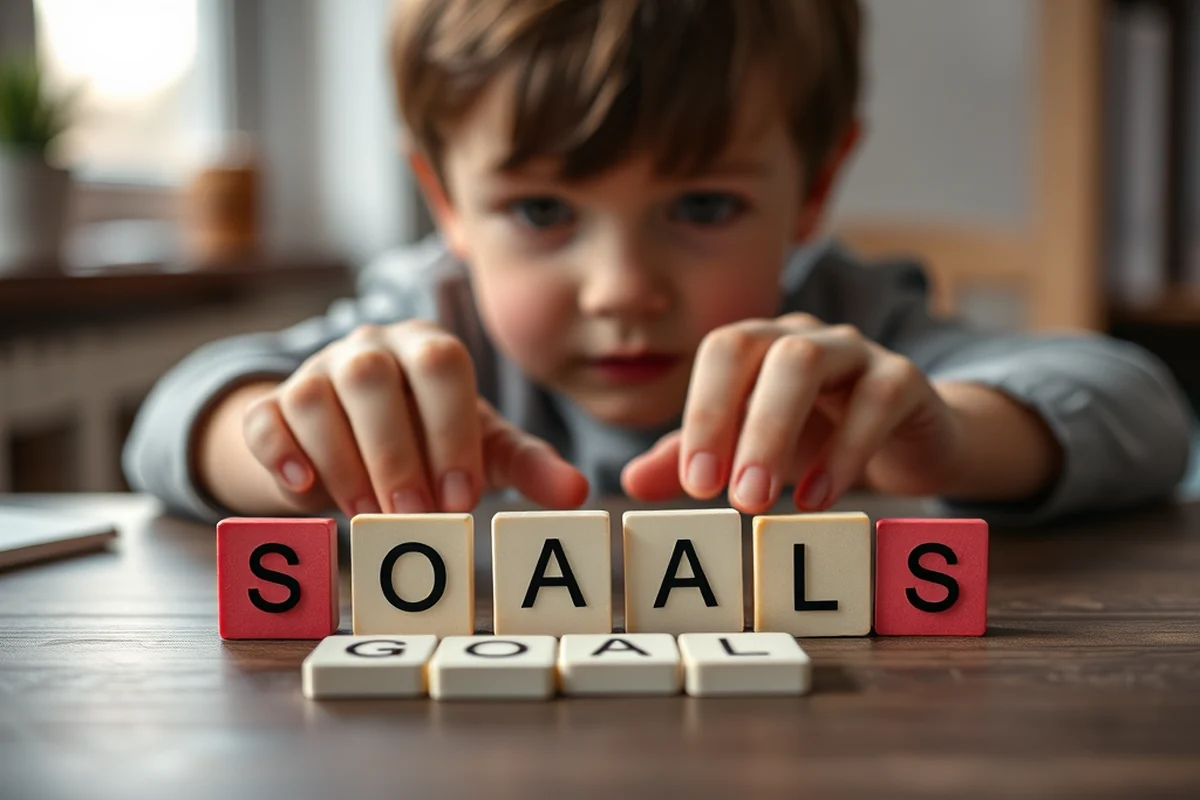
I’ve found that the best way to use the template is to start by asking the child what they want to achieve. Then, I help them fill out each section of the template step by step. For example, if a child wants to improve their reading skills, we might ask, 'What specific goal would help you become a better reader?' This leads to a goal like 'I want to read one chapter book each week.'
I make sure that each goal is measurable, which means that the child should be able to track their progress. A goal like 'I will read more' is too vague, but 'I will read one chapter book each week' is specific and measurable. We also discuss how long the goal should take and whether it’s realistic for the child’s current abilities.
It’s also important to help the child understand why the goal matters to them. This step reinforces their motivation and helps them stay committed. I’ve seen kids who set goals for themselves because they wanted to be better at drawing or improve their grades, and it makes a huge difference in their engagement and success.
A goal without a timeline is just a wish.
Related: What Is The Smart Acronym For Goals
Related: Smart goal setting
Why SMART Goals Work for Kids
One of the biggest advantages of SMART goals is that they help kids avoid vague or unrealistic goals. I’ve seen kids set goals like 'I want to be the best student in the class,' which is too broad. With a SMART goals template, we break that down into something like 'I want to improve my math test scores by 10% within the next month.' This makes the goal more specific and achievable.[2]
Another benefit is that SMART goals help kids track their progress. When a child sets a goal to read one chapter book a week, they can check off each book they finish and see how far they’ve come. This sense of accomplishment is powerful and helps build confidence.
I’ve also noticed that SMART goals teach kids how to think critically about their goals. They learn to ask questions like, 'Is this goal realistic?' and 'How can I measure my progress?' This builds important life skills that will serve them well in the future.
Show kids real-life examples of SMART goals, such as 'I will practice my piano piece for 30 minutes every day for one month.'[3]
“I remember the first time my son came home from school and proudly said, 'I want to be a doctor when I grow up.' It…”— Teaching Goal Setting to Kids editors
Related: Teaching Learning Goals Step By Step
Related: Teach to goal method alternatives
The Importance of Specificity in SMART Goals

When I first introduced the SMART goals template to my students, one of the biggest challenges was helping them understand the importance of being specific. Many of them would set goals like 'I want to be better at math,' which is too vague. Using the template, we worked together to make their goals more specific. For example, we changed 'I want to be better at math' to 'I want to learn how to solve 10 multiplication problems in 10 minutes.'[4]
Specificity helps children stay focused and motivated. When a goal is clear, it’s easier for them to take action. I’ve seen students who set specific goals like 'I will practice spelling two new words every day' and track their progress with a sticker chart. This makes the process more engaging and effective.
Specific goals also help children avoid feeling overwhelmed. When a goal is too broad, it can be intimidating. But when it’s broken down into smaller, specific steps, it becomes more manageable and achievable. This is one of the reasons I love using the SMART goals template in both school and home settings.
Related: Teaching Learning Goals Comparison
How to Measure Progress with SMART Goals
One of the most important parts of the SMART goals template is the section that helps kids measure their progress. I’ve found that when children can see their progress, they’re more likely to stay motivated. For example, if a child sets a goal to read one chapter book a week, they can keep a log of the books they’ve read and see how far they’ve come.
Measuring progress also helps children understand whether they’re on track to achieve their goals. If a child’s goal is to improve their spelling by learning two new words each day, they can track their progress by writing down the words they’ve learned and reviewing them regularly. This helps them stay focused and makes the process more engaging.
I’ve also noticed that measuring progress helps children build confidence. When they see that they’re making progress, it reinforces their belief in themselves and their ability to achieve their goals. This is one of the reasons I love using the SMART goals template in both school and home settings.
Setting Realistic and Achievable Goals with Kids
One of the biggest mistakes I see with goal-setting is when children set goals that are too ambitious or unrealistic. I’ve seen kids set goals like 'I want to read an entire novel in one week,' which is not only unrealistic but also overwhelming. Using the SMART goals template, we work together to set goals that are achievable and realistic.
Realistic goals help children build confidence and avoid frustration. When a goal is achievable, it’s more likely that the child will stay committed and motivated. For example, instead of setting a goal to 'read an entire novel in one week,' we might break it down into smaller, more manageable steps like 'I will read one chapter a day for one month.'
Setting achievable goals also helps children understand the importance of pacing themselves. It teaches them that progress takes time and that it’s better to take small, consistent steps than to rush into something too big and overwhelming. This is one of the reasons I love using the SMART goals template in both school and home settings.
Small steps lead to big achievements.
Tracking Progress and Celebrating Success
One of the most rewarding parts of using the SMART goals template is helping children track their progress and celebrate their successes. I’ve seen kids who set goals like 'I will practice spelling two new words each day' and keep a log of the words they’ve learned. This helps them stay focused and see how far they’ve come.
Celebrating success is also an important part of the process. When a child achieves a goal, it’s important to acknowledge their effort and progress. This helps build confidence and motivates them to keep going. For example, if a child sets a goal to read one chapter book a week and completes it, we can celebrate by reading a special story together or giving them a small reward.
Tracking progress and celebrating success also helps children understand the value of their efforts. It teaches them that hard work pays off and that they can achieve their goals with dedication and persistence. This is one of the reasons I love using the SMART goals template in both school and home settings.
🧸 Younger Kids (Ages 3-6)
This version uses simple language and visual aids to help younger kids understand and set SMART goals.
🧓 Older Kids (Ages 7-12)
This version includes more detailed sections and examples that are appropriate for older children who are ready to take on more complex goals.
📄 No-Prep Version
This version is ideal for teachers and parents who want to use the SMART goals template without any additional materials or preparation.
👥 Group Version
This version includes sections that help kids work together to set and achieve goals as a group, making it a fun and collaborative activity.
🚀 Extension Version
This version includes advanced sections that help older kids and teens set long-term goals and develop more complex strategies for achieving them.
| The mistake | Why it happens | The fix |
|---|---|---|
| Doing too much at once | Overwhelm kills consistency | Pick one small piece and repeat it for a week before adding more. |
| Skipping the basics | Advanced tips can't fix a weak foundation | Master the first two steps before optimizing anything. |
Smart Goals Template
Common Questions
What age is the SMART goals template best suited for?
How long does it take to complete a SMART goals template?
Can the SMART goals template be used in a classroom setting?
What are some common mistakes when using the SMART goals template with kids?
References
- Planning for Business Growth Guide - City of Caledonia, MN (caledoniamn.gov)
- SMART Goals: A How to Guide - UCOP (ucop.edu)
- Money Smart for Young People | FDIC.gov (fdic.gov)
- Guiding CQI with SMART goals (acf.gov)
Cite this guide
Teaching Goal Setting to Kids (2026). Smart Goals Template. https://playandachieve.com/smart-goals-template/
Feel free to cite or share this guide.