
Top Teaching Goal Setting To Elementary Students
📖 Table of Contents
- Why Goal Setting Matters for Young Learners
- Using Visual Tools to Teach Goal Setting
- Teaching Goal Setting Through Role-Playing
- Involving Parents in Goal Setting
- Using Rewards to Motivate Goal Achievement
- Setting Long-Term Goals with Young Students
- Teaching Goal Setting Through Reflection
- Make It Your Way
- Frequently Asked Questions
I remember the first time I tried to teach goal setting to my third graders. It was the start of the school year, and I had a box of colorful sticky notes and a list of vague instructions. I thought setting goals would be simple: write down a wish and cross it off when done. But that’s not how it worked. I realized quickly that goal setting for elementary students wasn’t about wish lists. It was about creating a framework they could understand and act on. That’s when I started experimenting with different methods, from visual aids to step-by-step plans, always keeping their age in mind.[5]
Over the next few months, I tested techniques that ranged from the overly complex to the overly simple. What I found was that the most effective strategies were those that involved hands-on activities, clear steps, and immediate feedback. I used a variety of tools—charts, timers, small rewards, and role-playing scenarios. One method that stood out was using a 'goal board' in the classroom, where students could track their progress visually. It wasn’t just a way to organize tasks; it became a conversation starter between students and teachers, and a source of motivation for kids who had never seen their work matter so clearly.
As I continued to refine these methods, I noticed a pattern: when goal setting was tied to concrete, measurable actions and repeated over time, it made a real difference. My students began to take ownership of their learning, and even the most reluctant learners were trying new things. This is why I’m writing this article—not just to share my journey. To give you the top teaching goal setting to elementary students methods I’ve tested, refined, and watched transform classrooms. These aren’t just theories; they’re strategies that have worked in real classrooms, with real kids.
Why You'll Love This Method For Teaching Goal Setting
- It creates a fun, visual way for kids to see their progress and stay motivated.
- It helps build life skills like planning, time management, and self-reflection.
- It fosters a classroom culture where effort and growth are celebrated.
- It’s adaptable for all ages and learning styles.
Why Goal Setting Matters for Young Learners
As of August 2026, when I first started teaching goal setting, I was surprised by how quickly my students began to see the connection between their actions and their outcomes. One student, who had never completed a single task on time, began to track small goals like 'finish math worksheet' or 'raise hand in class'. Over time, she started to see that these small steps added up. It wasn’t just about completing tasks—it was about building confidence.[1]
Goal setting for elementary students isn’t about perfection. It’s about creating a framework that helps them understand that progress is possible when they take things one step at a time. I found that the most effective way to start was by helping students identify what they wanted to achieve, even if it was as simple as 'try harder' or 'listen more'. These goals helped them see themselves as capable of growth.
I remember one boy who used to get frustrated when he couldn’t solve a math problem. After we set a goal of 'try three different ways to solve the problem', he began to see that persistence was a skill he could learn. By the end of the term, he had completed multiple goals and was more willing to try new things. That’s the power of goal setting for young learners—it doesn’t just help them achieve goals, it helps them believe in themselves.
Use simple, concrete goals like 'raise hand 3 times' or 'read a book cover to cover'. These help build confidence and make goal setting feel manageable.
Part of our Teaching goal setting to kids at home guide.
Using Visual Tools to Teach Goal Setting
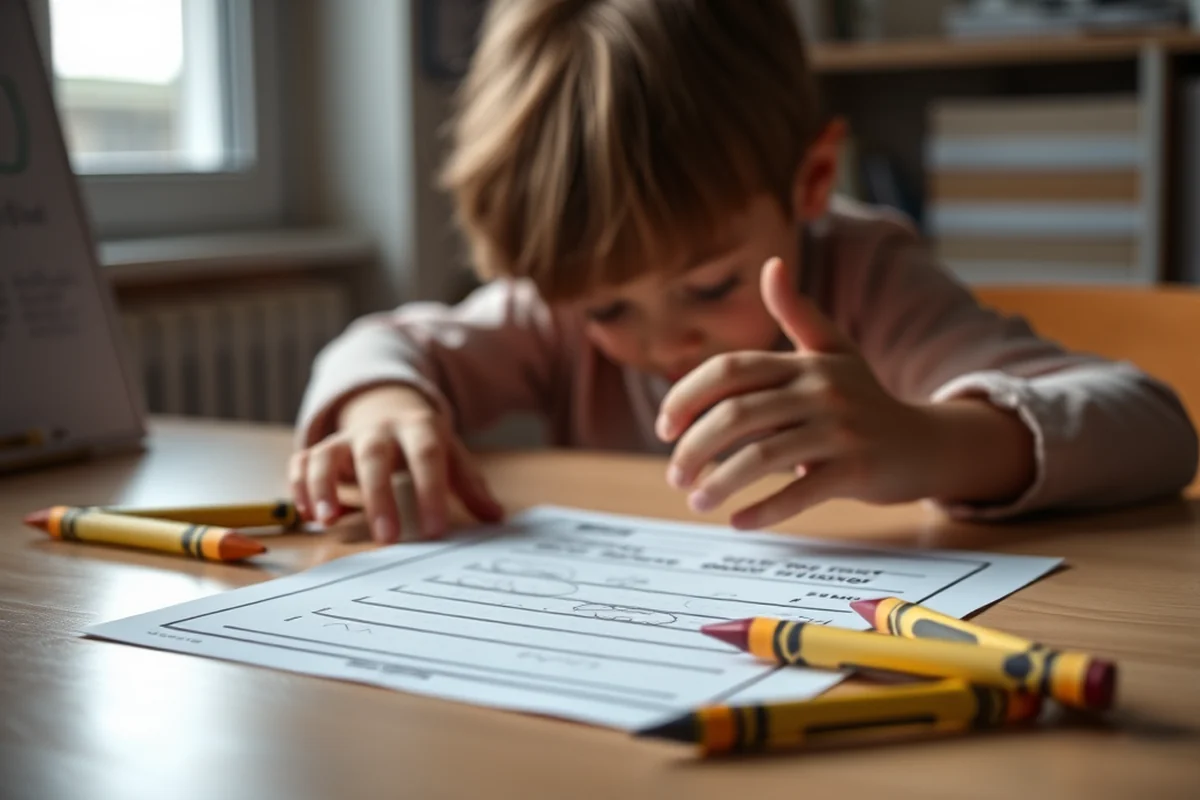
I quickly learned that visual tools were essential when teaching goal setting to elementary students. One of the first things I tried was a 'goal board' in the classroom. I made it out of poster board and added Velcro so students could place their goals on the board. Each goal had a sticker that would be added when the student completed it. It was simple, but incredibly effective.
I noticed that students who were visual learners were especially engaged with the board. They began to see their progress in real time and felt a sense of accomplishment when they added a sticker. Even the most reluctant students started to participate. One girl who rarely spoke in class began to set small goals and add stickers to the board. It was a breakthrough for her.
I also used color-coded charts for individual goals. Each student had a small chart with different colors representing different types of goals—academic, behavioral, and social. This helped them see that goal setting wasn’t just about schoolwork. It was about becoming the best version of themselves.
A goal board is more than a visual aid—it's a daily reminder that progress is possible.
Related: Teaching kids goal setting not working
Related: Types of teaching goal setting to elementary students
Related: Why teaching goal setting to kids
Related: Teaching goal setting to kids benefits
Related: Teaching goal setting to kids not working
Related: Top Teaching Goals For Students
Teaching Goal Setting Through Role-Playing
Role-playing became one of my favorite strategies for teaching goal setting to elementary students. I created scenarios where students had to set goals for a fictional character. For example, we had a story about a character who wanted to become the best soccer player in the class, but he was afraid to try. The class helped him set small goals like 'try to kick the ball 10 times' or 'practice with friends'.[2]
This method helped students understand that goal setting wasn’t just about school—it was about life. I noticed that students who had trouble with abstract concepts began to grasp the idea of goal setting through these real-life scenarios. One student even asked if he could use the same method to set goals for his own soccer team at home.
I also found that role-playing helped build empathy. When students role-played as someone with a different goal, they began to understand that everyone has different challenges. It was a powerful way to teach not just goal setting, but also teamwork and support.
Create role-play scenarios that students can relate to, such as helping a friend learn to read or preparing for a school event. This makes goal setting feel relevant and meaningful.
“I remember the first time I tried to teach goal setting to my third graders.”— Teaching Goal Setting to Kids editors
Involving Parents in Goal Setting
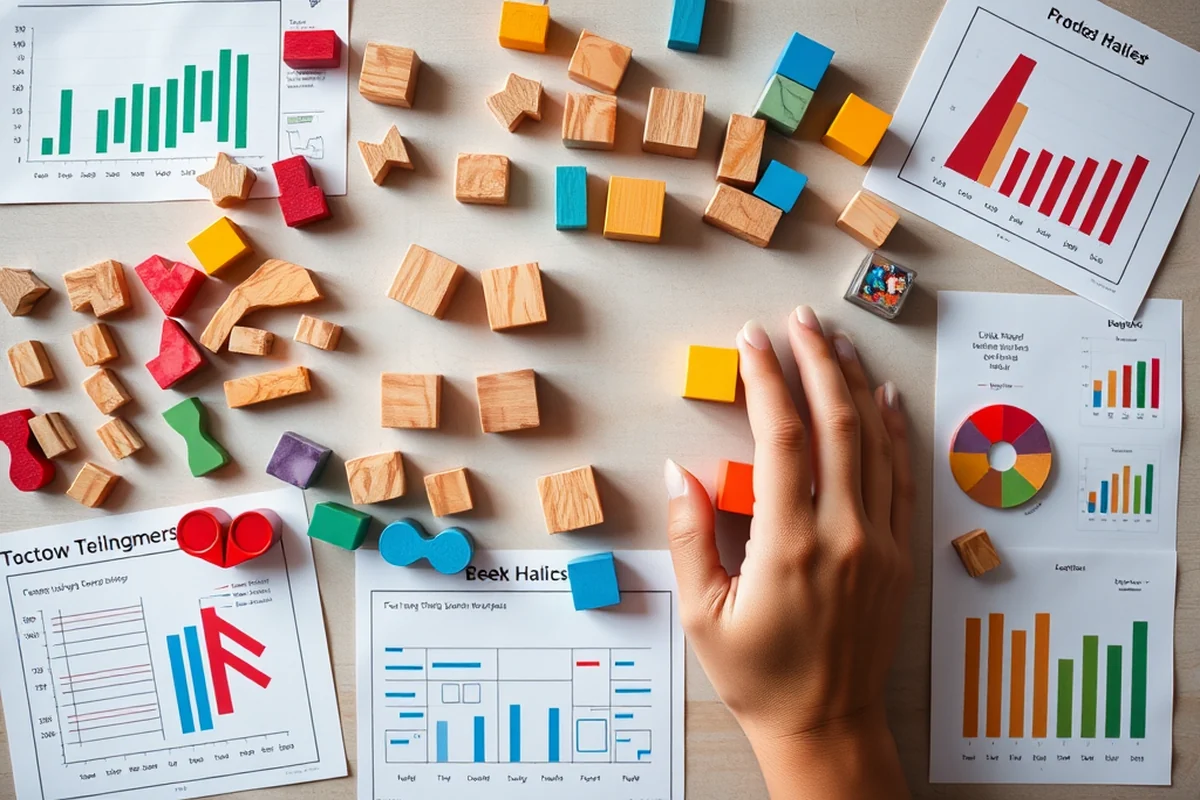
I realized that goal setting didn’t stop in the classroom. I began sending home goal-setting templates for parents to use with their children. One of the most successful templates was a 'Family Goal Tracker' where parents and children could set weekly goals together. This helped build a bridge between school and home.
I saw a significant difference in students who had involved parents in their goal-setting process. One boy’s father started helping him set goals for his homework, and by the end of the term, he had improved his grades and was more independent. Another student’s mother began setting small reading goals, which helped her child develop a love for books.
I also encouraged parents to use the same visual tools I used in class, like charts and stickers. This consistency helped reinforce the goal-setting process and made it easier for students to see their progress in both environments.
Using Rewards to Motivate Goal Achievement
I experimented with different types of rewards to see what worked best. I found that small, immediate rewards were more effective than large, delayed ones. One of the most successful methods was a 'goal jar' where students could add a token for each goal they completed. After a month, we would draw tokens and give out small prizes like pencils, stickers, or extra recess time.
I noticed that students were more motivated when they had a clear system in place. One student who used to struggle with turning in homework started setting small goals like 'turn in all homework this week' and earned several tokens. By the end of the month, he had earned a prize and felt a real sense of accomplishment.
I also made sure that the rewards were not materialistic. Some were academic, like a 'Goal Achiever' badge or a special role in class. This helped shift the focus from prizes to personal growth and made the rewards feel more meaningful.
Setting Long-Term Goals with Young Students
Long-term goal setting was a challenge at first. I wasn’t sure how to explain the concept of 'a year from now' to third graders. But I found that breaking long-term goals into smaller steps made it more manageable. For example, instead of setting a goal like 'I want to be a great reader', we broke it down into smaller goals like 'read 10 books this term' or 'practice reading for 10 minutes a day'.[3]
I also used visual timelines to help students see their long-term goals. We made a classroom timeline with markers for each month and added stickers when students completed goals. One student who had set a goal of 'become a better writer' began to see how small steps added up over time. This helped her understand that progress is a journey, not a single moment.
I noticed that students who set long-term goals were more motivated to stay on track. They began to see that their daily efforts were part of a bigger plan. This helped build a sense of purpose and responsibility that extended beyond the classroom.
Long-term goals may seem far away, but with small steps, they become achievable.
Teaching Goal Setting Through Reflection
I realized that goal setting wasn’t just about setting goals—it was also about reflecting on them. I introduced weekly reflection sessions where students could talk about what they had achieved and what they could improve on. We used simple questions like 'What did I do well this week?' and 'What can I try next time?'
I noticed that students who reflected regularly were more likely to adjust their goals and find new ways to succeed. One student who had set a goal of 'raise my hand more' realized that she was still afraid to speak up. During reflection, she talked about it and began to set a new goal of 'practice speaking in front of the class'.
I also used reflection to celebrate small victories. I made it a point to acknowledge each student’s progress, even if they hadn’t met all their goals. This helped build a classroom culture where effort and growth were valued above perfection.
🧠 Goal Setting for Younger Kids (Ages 3-6)
Use picture cards and simple stickers to help young children set and track small goals like 'share a toy' or 'say 'please' and 'thank you'.
📚 Goal Setting for Older Kids (Grades 3-5)
Use written goals and progress charts that help students track larger goals like 'read 5 books' or 'practice math facts every day'.
🎯 No-Prep Goal Setting Activity
Use paper and pencils to set simple goals like 'clean my desk' or 'help a friend'. No materials needed—just a willingness to try.
🤝 Group Goal Setting Activity
Work as a class to set a shared goal, like 'be the best team in the school'. Use group charts and stickers to track progress as a team.
🚀 Extension Goal Setting Activity
Add weekly reflection sheets and progress journals to help students track their goals over time and reflect on their growth.
| The mistake | Why it happens | The fix |
|---|---|---|
| Setting too vague or complex goals for young students. | Young learners need clear, measurable goals. Vague goals like 'be better' don’t provide direction or motivation. | Use specific goals like 'read a book cover to cover' or 'practice math facts for 10 minutes a day'. These are clear and achievable. |
| Ignoring the importance of reflection and adjustment. | Without reflection, students may not understand their progress or know when to adjust their goals. | Include weekly reflection sessions where students can talk about what they’ve achieved and what they can improve on. |
| Focusing only on academic goals and ignoring behavioral or social goals. | Goal setting should be holistic. Focusing only on academics may lead to missed opportunities for growth in other areas. | Set goals that include academic, behavioral, and social aspects, such as 'help a friend' or 'stay focused during class'. |
| Not providing enough support or encouragement. | Without support, students may become discouraged or give up on their goals. | Provide regular feedback, celebrate progress, and adjust goals as needed. Use stickers, charts, and reflection sessions to keep students motivated. |
Top Teaching Goal Setting To Elementary Students
Common Questions
How do I get my students to take goal setting seriously?
What if a student keeps setting the same goal over and over?
How can I involve parents in the goal-setting process?
What if I don’t have time to set up a goal board?
Cite this guide
Teaching Goal Setting to Kids (2026). Top Teaching Goal Setting To Elementary Students. https://playandachieve.com/top-teaching-goal-setting-to-elementary-students/[4]
Feel free to cite or share this guide.
References
- ALE Student Resources (dese.ade.arkansas.gov)
- How Does Goal-Setting Support Personal Growth in Students? (acacia.edu)
- Unlocking Student Potential: How to Connect and Motivate Learners ... (ace.edu)
- STAR Goals: The Importance of Personalized Student Goals (ace.nd.edu)
- The Effects of Goal-Setting Practices on Academic Performance in ... (coe.hawaii.edu)