
Teaching Kids About Goal Setting Step By Step
📖 Table of Contents
- Start With Simple, Concrete Goals
- Make Goals Feel Personal and Meaningful
- Use Time Frames to Create Structure and Momentum
- Celebrate Progress, Not Just the End Result
- Teach Kids to Reflect and Adjust Goals as Needed
- Encourage Collaboration and Support
- Create a Safe Space for Mistakes and Learning
- Make It Your Way
- Frequently Asked Questions
When I first tried to explain goal setting to my 6-year-old, I thought I’d be handing her a list of chores. Instead, she asked, 'Why can’t I just do what I want?' That moment taught me that goal setting with kids isn’t about control—it’s about empowerment. It’s about giving them a tool to take ownership of their choices, their dreams, and their progress, all while learning the value of small, consistent steps. Teaching kids about goal setting step by step isn’t just about the end result; it’s about building a lifelong habit of thinking ahead, planning, and reflecting.
I remember the first time my daughter set a goal to collect 20 seashells from our beach trip. She didn’t even know she was practicing goal setting. She just had a clear target, a timeline, and the motivation to see it through. That simple exercise taught me how deeply kids can engage with the process when it’s meaningful and manageable. It’s not about perfection—it’s about progress, and it’s about showing them that even small steps can lead to big accomplishments.[1]
As the parent of three kids, I’ve learned that goal setting isn’t just a lesson—it’s a life skill. When I teach my children about goal setting step by step, I’m not just helping them stay focused on a task. I’m teaching them how to navigate challenges, celebrate small wins, and build self-confidence. It’s a process that changes over time, but the foundation is laid early, and it’s one of the most powerful tools I’ve ever passed on to my children.
Why You'll Love This Goal-Setting Approach for Kids
- It builds self-awareness and independence from an early age.
- It encourages consistent effort and perseverance.
- It makes learning tangible and fun through real-world examples.
- It helps children understand the value of planning and reflection.
Start With Simple, Concrete Goals
As of October 2026, Children as young as three can understand goals if they are framed in simple, concrete terms. For example, instead of saying 'Be good,' which is vague, try 'Clean up your toys before bedtime.' This approach gives them a clear action to take and a measurable result to achieve. I’ve seen how this works in my own home—my daughter would proudly show me her 'clean-up' chart and mark off each task as she completed it. The satisfaction of crossing something off a list is powerful and motivating.
When I first tried to introduce a weekly goal, I chose something too broad—like 'Be kind to others.' That didn’t work. My kids got confused and didn’t know how to measure their progress. Later, I switched to a goal like 'Share your toys with your brother three times this week.' That was specific and actionable. It taught them how to break larger goals into smaller, doable steps.
Setting simple, concrete goals helps kids feel in control and builds a sense of accomplishment. It also teaches them that goal setting is a process that can be repeated and adjusted over time. This is the first step in teaching kids about goal setting step by step.
Use a chart or sticker board to track your child’s progress. Visual aids make goals more tangible and fun.
Part of our Education goal setting step by step guide.
Make Goals Feel Personal and Meaningful
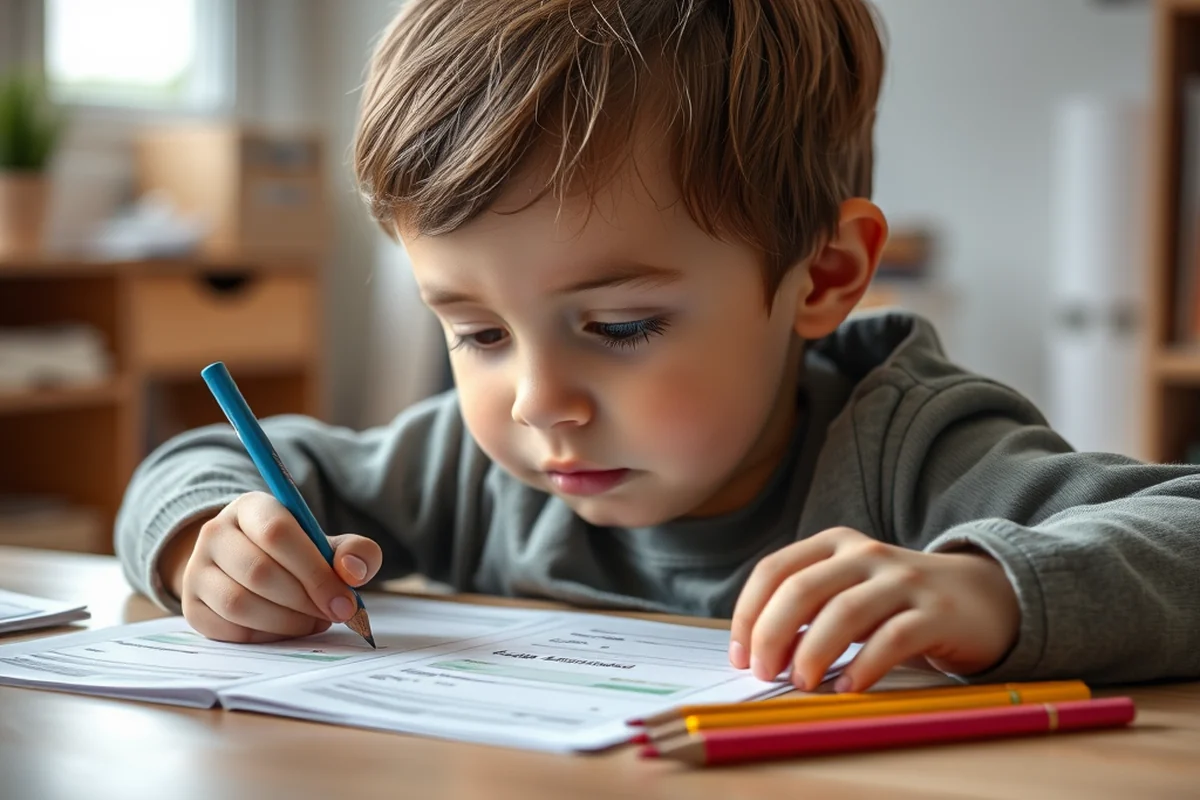
A goal that feels personal to a child is more likely to be achieved. When my son wanted to learn how to ride a bike, we created a goal chart that tracked his progress from wobbling to riding independently. The goal wasn’t just about the bike—it was about his pride in learning and the joy of being able to ride on his own. I saw how this small act of goal setting became a source of motivation and confidence for him.
I once asked my daughter what she wanted to learn this month. She said, 'I want to be able to tie my shoes.' So we created a step-by-step goal that included practicing each morning and tracking her progress. By the end of the week, she had mastered it. That experience taught me the power of letting kids choose their own goals—even the smallest ones can be life-changing.
When a child feels that a goal is meaningful to them, they are more likely to stay committed. It’s important to let them take ownership of the process. This is a key step in teaching kids about goal setting step by step.
Let your child choose their goal—it’s the most powerful motivator.
Related: Teaching Kids Goal Setting Benefits
Related: Cheap education goal setting
Use Time Frames to Create Structure and Momentum
I once set a goal with my son to read 10 books in two weeks. At first, he didn’t know how to approach it. But once we broke it down into daily reading sessions, he started to see the progress. We used a calendar to mark each book he finished, which made it feel like a race against time. The structure helped him stay on track and gave him a sense of accomplishment every time he completed a goal.[2]
When I taught my daughter how to count to 20, I set a goal of mastering it in a week. She practiced every day, and by the end of the week, she had not only mastered it but was excited to learn more. The time frame created a sense of urgency and focus that made the process more engaging.[3]
Using time frames helps kids understand that goals are not just about the end result, but also about the steps they take to get there. This is an important step in teaching kids about goal setting step by step.
Choose a time frame that is realistic for the child’s age and the complexity of the goal. Keep it short and clear.
“When I first tried to explain goal setting to my 6-year-old, I thought I’d be handing her a list of chores.”— Teaching Goal Setting to Kids editors
Related: Teaching Goal Setting To Kids At Home
Related: Education goal setting problems
Celebrate Progress, Not Just the End Result

When I first tried to teach my son about goal setting, I focused only on the end result. He didn’t seem to care if he completed a task or not. But after I started celebrating his progress—like giving him a sticker for every day he practiced reading—I noticed a big change. He started to look forward to the process and saw each small win as a step toward success.
I once had a goal of helping my daughter learn to write her name. Every time she practiced a letter, I would say, 'Great job!' and give her a small treat. By the end of the week, she had mastered it, and the celebration made her proud of herself. That taught me that recognition is a powerful motivator for children.
Celebrating progress, not just the end result, helps kids understand that the journey is just as important as the destination. It’s a key step in teaching kids about goal setting step by step.
Related: Why Teaching Kids About Goal Setting
Teach Kids to Reflect and Adjust Goals as Needed
I once set a goal for my daughter to draw a picture every day for a week. She got excited at first, but by the third day, she was frustrated. After talking with her, I realized that the goal wasn’t working for her. So we changed it to 'Draw a picture two times this week.' This taught her that it’s okay to adjust goals when needed, and that flexibility is part of the process.
When my son had trouble completing a reading goal, we took a step back and realized the goal was too hard for him. We made it easier and focused on the process instead of the outcome. This taught him that it’s okay to change goals and that the most important thing is to keep trying.
Teaching kids to reflect and adjust goals helps them understand that goal setting is not about perfection—it’s about learning and growing. It’s a vital step in teaching kids about goal setting step by step.
Encourage Collaboration and Support
When I first tried to teach my daughter about goal setting, I focused only on her. But I realized that involving the whole family made a big difference. We started a weekly goal where the whole family had a task to complete together. My daughter loved working with her siblings and parents, and it taught her that goal setting can be a shared experience.
I once had a goal of planting a garden with my kids. We all had different tasks—digging, watering, and planting. This helped them understand that working together can help them achieve a bigger goal. It also taught them the value of teamwork and support.
Encouraging collaboration and support helps children see that goal setting is not just about them—it’s about everyone working together. It’s an important step in teaching kids about goal setting step by step.
Goal setting is not a solo journey—it’s a shared experience.
Create a Safe Space for Mistakes and Learning
I once set a goal for my son to learn how to ride a bike without training wheels. He fell a few times, and I felt bad seeing him struggle. But I realized that it was an important part of the process. I told him that it was okay to fall and that it was all part of learning. He kept trying, and eventually, he mastered it. This taught him that mistakes are a natural part of goal setting.
When my daughter had trouble completing a goal, I reminded her that it was okay to try again. I told her that even the best people make mistakes, and that it was all part of learning. This helped her understand that goal setting is about the process, not just the outcome.
Creating a safe space for mistakes helps children understand that goal setting is about learning and growing. It’s a key step in teaching kids about goal setting step by step.
👶 Younger Kids (Ages 3-5)
Use simple, sensory-based goals like cleaning up toys or learning to tie shoes. Focus on short time frames and visual rewards.
👦 Older Kids (Ages 6-10)
Introduce more complex goals like completing a project or learning a new skill. Encourage reflection and planning.
🎯 No-Prep Version
Use daily tasks like 'Brush your teeth twice a day' or 'Read for 10 minutes.' No materials needed—just creativity.[4]
👥 Group Version
Create a family goal where everyone contributes. Celebrate progress together and share successes.
📚 Extension Activity
Have kids set a long-term goal and track their progress over weeks or months. Encourage reflection and planning.
| The mistake | Why it happens | The fix |
|---|---|---|
| Setting goals that are too vague or general. | Kids need specific, achievable goals to stay motivated and track their progress. | Use concrete examples and break down larger goals into smaller, measurable steps. |
| Focusing only on the end result and not the process. | Children learn from the process of goal setting, not just the outcome. | Celebrate small wins and encourage reflection on the steps taken to achieve the goal. |
| Not allowing the child to choose their own goals. | When children choose their goals, they are more likely to be committed and take ownership of the process. | Involve the child in the goal-setting process and let them choose a goal that is meaningful to them. |
| Not adjusting goals when needed. | Goals may need to be adjusted as the child grows or as circumstances change. | Encourage the child to reflect on their progress and be open to making changes to the goal if needed. |
Teaching Kids About Goal Setting Step By Step
Common Questions
How old should a child be before they can start learning goal setting?
What if my child struggles to complete a goal?
How can I make goal setting fun for my child?
What are some good examples of simple goals for young children?
References
- Top 10 Ways to Teach Kids About Saving During the Summer - WA529 (529.wa.gov)
- How Does Goal-Setting Support Personal Growth in Students? (acacia.edu)
- Standards 6 | Healthy Schools - CDC Archive (archive.cdc.gov)
- Investing - Illinois Department of Central Management Services (cms.illinois.gov)
Cite this guide
Teaching Goal Setting to Kids (2026). Teaching Kids About Goal Setting Step By Step. https://playandachieve.com/teaching-kids-about-goal-setting-step-by-step/
Feel free to cite or share this guide.