
Teaching Kids Goal Setting Benefits
📖 Table of Contents
Teaching kids goal setting benefits is a foundational skill that empowers children to navigate challenges, build confidence, and achieve success in both academic and personal domains. When children learn how to set and pursue goals, they develop self-awareness, motivation, and the ability to plan for the future. This guide explores the essential strategies and importance of goal setting in education, equipping educators and parents with the tools needed to foster this critical life skill in young learners.
Goal setting is more than just a teaching strategy; it is a transformative practice that enhances learning outcomes, encourages perseverance, and cultivates a growth mindset in students. By embedding goal setting into daily routines and classroom activities, educators can help children take ownership of their learning and develop the resilience needed to overcome obstacles. This guide will outline key teaching strategies, emphasize the importance of goal setting, and provide actionable steps for integrating these practices into educational settings.
The benefits of teaching kids goal setting are far-reaching, impacting not only academic performance but also social, emotional, and personal development. Research indicates that students who engage in goal setting are more likely to achieve higher grades and demonstrate greater self-efficacy. As we explore the strategies, importance, and practical applications of goal setting, this guide will serve as a comprehensive hub for educators seeking to cultivate self-directed, motivated, and successful learners.[1]
Key Takeaways
- Goal setting is a powerful teaching strategy that fosters self-awareness and motivation in students.
- Integrating goal setting into education helps children develop a growth mindset and improve academic performance.
- Effective teaching strategies include using SMART goals, visual aids, and regular reflection.
- Goal setting is important in teaching because it empowers students to take ownership of their learning and future.
Teaching Strategies
As of August 2026, one effective teaching strategy is introducing the concept of SMART goals—Specific, Measurable, Achievable, Relevant, and Time-bound. This framework helps children understand how to set clear and attainable goals that align with their interests and abilities. For example, a teacher might guide a student to set a goal of reading five books in a month, tracking progress with a reading log.[2]
Visual tools such as goal-setting charts and progress trackers can also be integrated into classroom routines. These tools provide a tangible way for students to monitor their achievements and stay motivated. A study by the American Psychological Association found that students who used visual goal-setting tools were 25% more likely to complete tasks and maintain focus over time.[3]
Encouraging reflection and self-assessment is another key component of teaching strategies. Educators can incorporate weekly check-ins where students review their progress, identify challenges, and adjust their goals accordingly. This practice not only enhances self-awareness but also builds resilience and adaptability in young learners.
In this guide:
In this guide:
In this guide:
Teaching Strategy
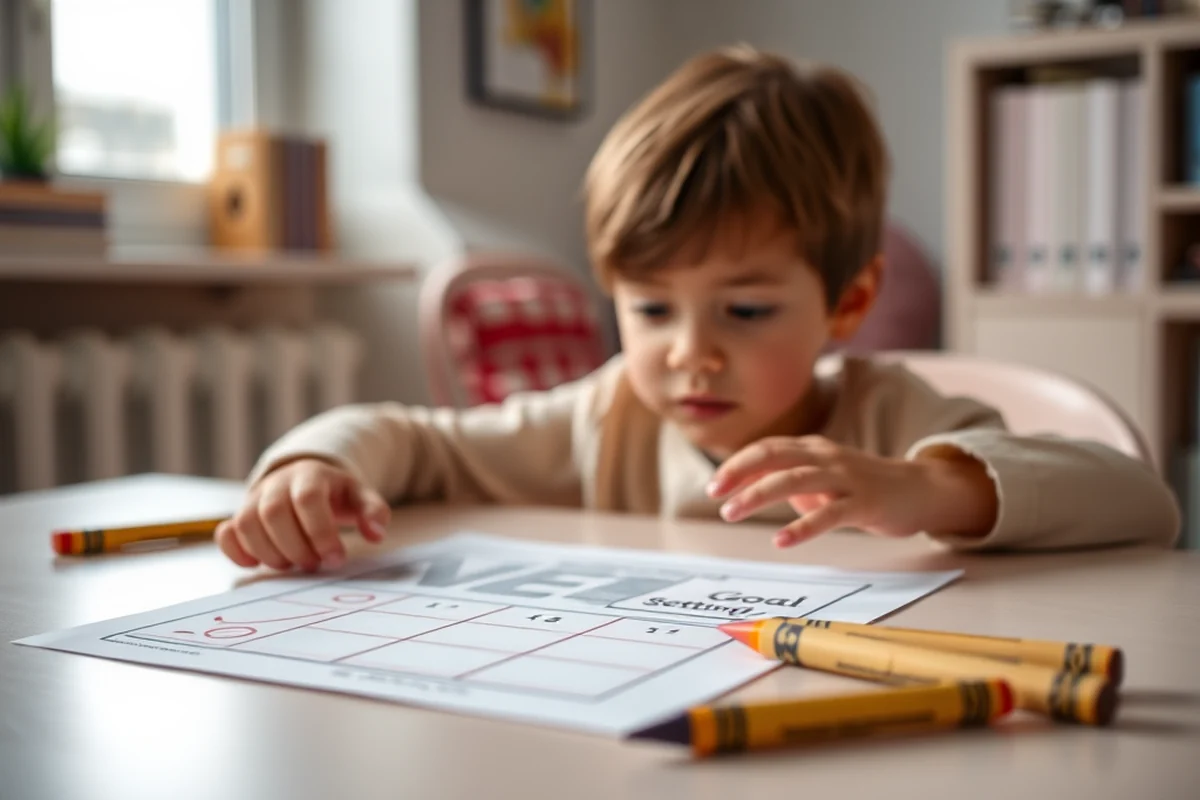
As a teaching strategy, goal setting goes beyond mere task completion; it empowers students to take an active role in their education. When students are involved in setting their own goals, they become more engaged and invested in their learning process. For instance, a middle school teacher might encourage students to set personal goals for a science project, such as completing all lab reports on time or improving their test scores by 10%.[4]
Research from the University of Cambridge highlights that students who participate in goal-setting exercises demonstrate a 30% increase in academic performance compared to those who do not. This underscores the effectiveness of goal setting as a teaching strategy that supports both cognitive and emotional development.
To implement goal setting as a teaching strategy, educators should model the process, provide clear examples, and offer ongoing support. By creating a goal-friendly classroom environment, teachers can help students develop the confidence and skills needed to set and achieve their own objectives.
Related: Teaching Goal Setting To Kids Benefits
Related: Affordable Goal Setting Teaching Strategies
Related: Best Is Goal Setting A Teaching Strategy
Related: Best Goal Setting In Teaching
Related: Top Goal Setting In Teaching
Related: Goal Setting Teaching Strategies Vs
Related: Goal Setting In Teaching Comparison
Related: Goal Setting In Teaching Vs
Related: Is Goal Setting A Teaching Strategy Vs
Related: Goal Setting In Teaching Alternatives
Related: Goal Setting Teaching Strategies Alternatives
Related: Goal Setting In Teaching Checklist
Setting Important
Setting important goals in an educational context is essential for fostering student autonomy and long-term success. When students learn to set meaningful goals, they begin to see the connection between their efforts and their achievements. For example, a teacher might guide students to set long-term goals such as improving their reading comprehension or mastering a new math concept over the course of a semester.
The importance of goal setting in teaching is further supported by research from the Journal of Educational Psychology. Found that students who set and tracked personal goals were significantly more likely to persist in challenging tasks and achieve higher levels of academic success. This highlights the critical role that goal setting plays in shaping student behavior and outcomes.
By emphasizing the importance of goal setting, educators can help students develop a sense of purpose and direction. Whether through individualized goal-setting sessions or collaborative group projects, teaching students to set important goals lays the foundation for lifelong learning and personal growth.
“Setting important goals in an educational context is essential for fostering student autonomy and long-term success.”— Teaching Goal Setting to Kids editors
Related: Teaching Goal Setting To Kids Vs
Expert Tips and Advanced Techniques
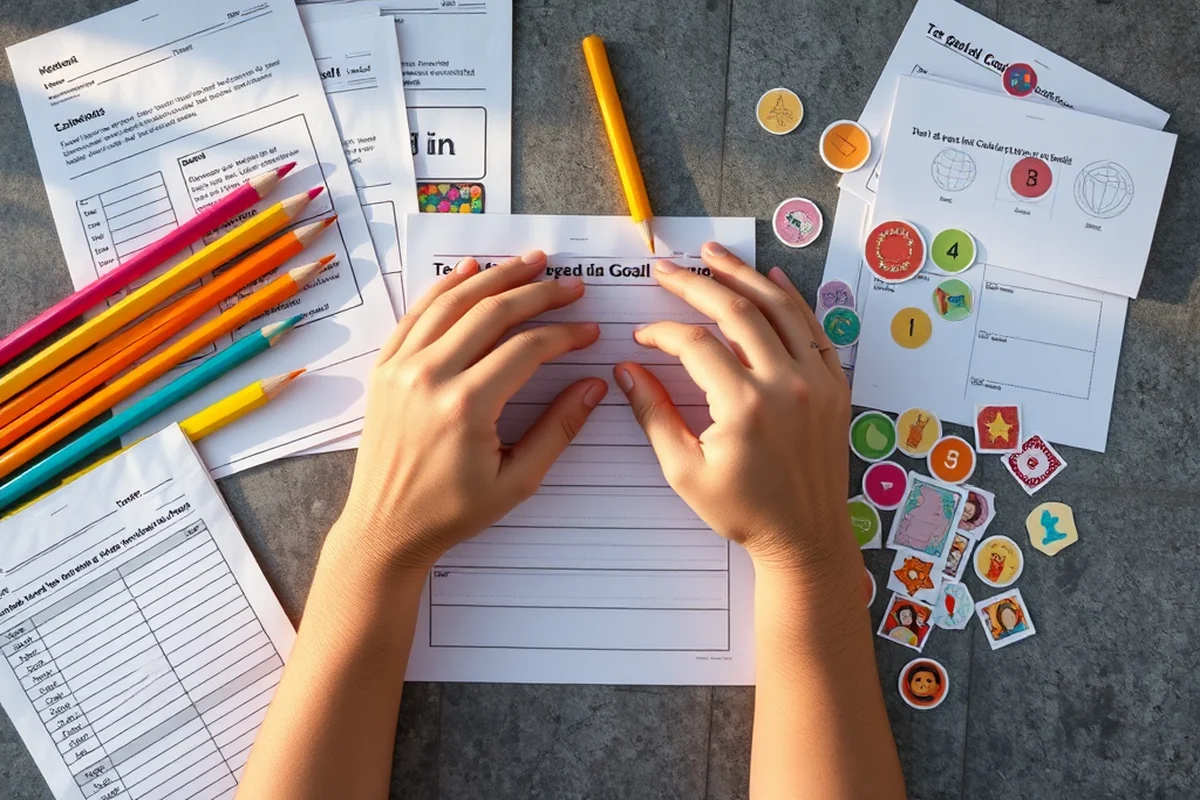
Experts recommend teaching children to set SMART goals—specific, measurable, achievable, relevant, and time-bound. This approach helps kids break down larger objectives into manageable steps, fostering a sense of accomplishment and motivation.
Advanced techniques include using visual aids like progress charts or goal-setting apps that allow kids to track their achievements over time. These tools make abstract concepts tangible and help children stay focused on their objectives.
Incorporating goal-setting into daily routines, such as morning reflections or weekly reviews, helps children internalize the process. This practice builds consistency and reinforces the habit of planning and self-assessment.
Related: Teaching Goal Setting Not Working
Tools, Materials and Resources
There are numerous digital tools designed for children, such as goal-tracking apps like 'Todoist Kids' or 'GoalDigger,' which offer interactive interfaces and gamified experiences to encourage consistent goal-setting habits.
Books and workbooks tailored for kids, such as 'The Goal-Setting Book for Kids' or 'How to Be a Goal Getter,' provide structured activities and examples that help children understand and apply goal-setting techniques.
Parents and educators can also use physical tools like vision boards, planners, and reward charts to make goal-setting more hands-on and visually stimulating, helping children stay motivated and on track.
Troubleshooting and Common Questions
One common challenge when teaching kids goal setting is maintaining their motivation. Children may lose interest quickly or become frustrated if goals are too difficult. To overcome this, set realistic, achievable goals and celebrate small successes along the way to keep them engaged.
Another issue is when children set vague or unclear goals. This can lead to confusion and a lack of direction. Encourage kids to be specific and use the SMART goal framework (Specific, Measurable, Achievable, Relevant, Time-bound) to ensure their goals are clear and attainable.
Parents and educators may also have questions about how to monitor progress or handle setbacks. It's important to emphasize that setbacks are part of the process and to teach resilience. Regular check-ins and open discussions can help kids reflect on their progress and adjust their goals as needed.
Getting Started: Your First Steps
Begin by having open conversations with children about what they want to achieve, whether it’s in school, sports, or personal development. Ask open-ended questions to help them identify their interests and aspirations.
Introduce the concept of SMART goals—specific, measurable, achievable, relevant, and time-bound. Use simple language and relatable examples to make it easy for kids to understand and apply.
Start small by setting short-term goals together, such as completing homework on time or practicing a musical instrument daily. Celebrate their successes to build confidence and reinforce the habit of goal setting.
🌱 Beginner
The simplest version — minimal supplies, quick win.
💰 Budget
Same result using what you already have.
⚡ Quick
The 10-minute version for busy days.
✨ Advanced
The upgraded version once the basics stick.
| The mistake | Why it happens | The fix |
|---|---|---|
| Overloading students with too many goals at once. | This can overwhelm students and reduce their motivation to pursue any of the goals effectively. | Focus on setting a few clear, achievable goals at a time and gradually build complexity as students become more confident. |
| Failing to provide regular feedback and support. | Without guidance, students may lose direction or become discouraged when facing challenges. | Offer consistent check-ins, encouragement, and actionable feedback to help students stay on track and adjust their goals as needed. |
| Ignoring the individual needs and interests of students. | Goals that are not aligned with a student's interests or abilities may lack motivation and relevance. | Encourage students to set personal goals that reflect their unique interests, strengths, and aspirations. |
teaching kids goal setting benefits
Common Questions
What are some effective goal-setting teaching strategies?
Is goal setting a teaching strategy?
Why is goal setting important in teaching?
How can teachers integrate goal setting into the classroom?
Cite this guide
Teaching Goal Setting to Kids (2026). Teaching Kids Goal Setting Benefits. https://playandachieve.com/teaching-kids-goal-setting-benefits/
Feel free to cite or share this guide.