
Goal Setting In Teaching Checklist
📖 Table of Contents
- What is Goal Setting in Teaching?
- How to Use the Goal Setting Checklist in the Classroom
- Why a Checklist Works for Goal Setting in Teaching
- How to Integrate Goal Setting into Different Subjects
- Using the Checklist to Support Student Behavior
- How Goal Setting Benefits Student Learning
- Creating a Culture of Goal Setting in Your Classroom
- Make It Your Way
- Frequently Asked Questions
A few years ago, I stood in the middle of a third-grade classroom, watching a child stare blankly at a blank worksheet. It was the first week of the school year, and we were starting a unit on goal setting. I had prepared a vibrant, colorful checklist that was supposed to guide the kids through their learning journey. But instead of excitement, I saw confusion and hesitation. It was a moment that changed everything for me — I realized that even the best tools need to be tailored to the way children think and learn. That's when I began developing a goal setting in teaching checklist, one that's not just visual but also actionable and engaging.
Goal setting is more than a buzzword in education — it's a skill that shapes how students approach learning, behavior, and even their sense of self. But for many teachers, especially those early in their careers, it's a daunting task. How do you translate abstract concepts like 'effort' or 'perseverance' into something a child can grasp? I've been there, and I know the struggle. The goal setting in teaching checklist I've created is the result of years of trial, error, and countless classroom experiments. It's designed to be a roadmap that guides both teachers and students through the process of goal setting, with clear steps, visual cues, and real-life applications.
What makes this checklist different is that it's not just a list of tasks — it's a framework that helps students understand what a goal is, why it matters, and how to track progress. I've tested it with students from kindergarten to sixth grade. The results have been consistent: when students have a clear, structured way to set and reflect on goals, they become more motivated, focused, and self-aware. This is the heart of the goal setting in teaching checklist — it's not about making learning easier, but about making it meaningful and measurable for every child.
Why You'll Love This Goal Setting In Teaching Checklist
- Encourages student autonomy and ownership of learning
- Provides a visual and structured approach to goal tracking
- Simplifies complex concepts like perseverance and effort into actionable steps
- Supports both academic and behavioral goal setting
What is Goal Setting in Teaching?
As of September 2026, Goal setting in teaching is more than a classroom activity — it's a way of fostering independence, self-regulation, and long-term thinking in students. When done effectively, it helps children understand what they're working toward, how they can get there, and why it matters. I've found that the best goal setting in teaching starts with a clear, concise checklist that outlines the steps students can take to set and achieve their goals.
One of the most important aspects of goal setting in teaching is making it accessible to all students. A checklist that's too complicated or abstract can be overwhelming. Instead, I've designed a checklist that breaks down the process into simple, manageable steps. For example, students might start by identifying a goal, then writing it down, then breaking it into smaller steps, and finally reviewing their progress. This structure helps even the youngest learners grasp the concept of goal setting.
I've seen firsthand how a well-designed goal setting in teaching checklist can transform a classroom. Students who once struggled with focus and motivation are now setting goals for themselves and celebrating their achievements. It's a powerful tool that not only supports academic success but also builds confidence and self-awareness in students.
Begin by explaining what a goal is — a specific, measurable, and achievable outcome. Use simple language and real-life examples, like 'I want to read 10 books by the end of the year.'[1]
Part of our Teaching kids goal setting benefits guide.
How to Use the Goal Setting Checklist in the Classroom
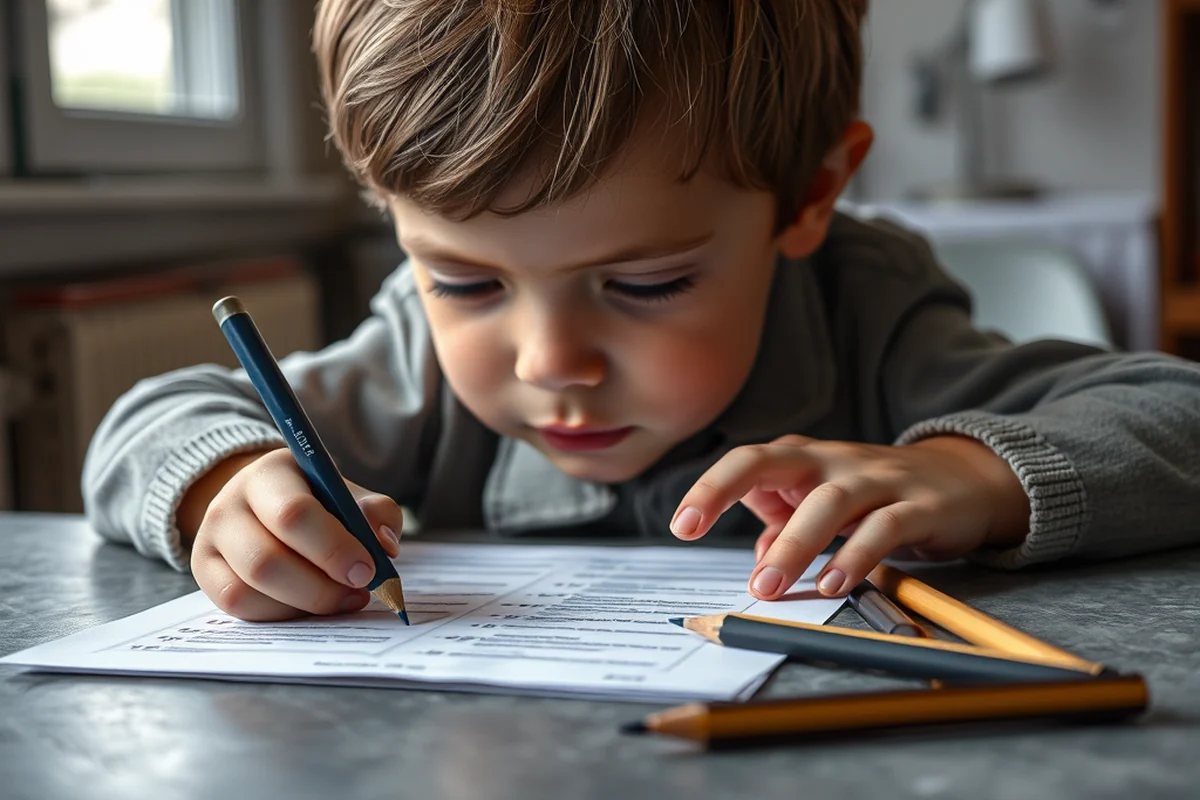
Using the goal setting in teaching checklist is a simple and effective way to integrate goal setting into your classroom routine. I recommend introducing the checklist during the first week of the school year, when students are still learning about expectations and routines. You can print out a copy for each student or have them create their own on a large poster board.[2]
Each week, students can review their goals, update their checklist, and reflect on what they've accomplished. This not only helps them stay on track but also gives them a sense of accomplishment and purpose. I've used this method with both small groups and the entire class, and it's always been a hit. Students love the structure and the opportunity to see their progress over time.
One of the best parts about using the goal setting in teaching checklist is that it's completely customizable. Whether you're focusing on academic goals like improving math skills or behavioral goals like staying focused during lessons, the checklist can be adapted to fit your classroom's needs. It's a flexible and powerful tool that supports every student's learning journey.
A goal is a dream with a deadline.
Related: Affordable goal setting in teaching
Why a Checklist Works for Goal Setting in Teaching
A checklist works because it takes the abstract idea of a goal and makes it concrete and measurable. Instead of just saying 'I want to be better at math,' a student can write down 'I want to get 90% on my next math test.' The checklist then becomes a tool for tracking progress, setting reminders. Reflecting on what's working and what's not. This level of structure is especially helpful for younger students who are still learning how to manage their time and responsibilities.[3]
I've found that the visual aspect of a checklist is one of its biggest strengths. When students see their goals written out and marked off as they complete them, it gives them a sense of accomplishment. It also helps teachers monitor student progress and provide feedback in real time. For example, if a student is struggling with a particular goal, the checklist can help identify the problem early on and allow for adjustments to be made.
Another benefit of using a checklist is that it promotes self-reflection and self-regulation. By regularly updating their checklist, students learn to take ownership of their learning and become more responsible for their own progress. It's a powerful way to build independence and life skills that extend far beyond the classroom.
Set aside a few minutes each week for students to review their goal setting checklist. This consistent check-in helps reinforce the habit of reflection and progress tracking.
“A few years ago, I stood in the middle of a third-grade classroom, watching a child stare blankly at a blank worksheet.”— Teaching Goal Setting to Kids editors
Related: Affordable goal setting teaching strategies
How to Integrate Goal Setting into Different Subjects

One of the most powerful aspects of goal setting in teaching is its versatility. Whether you're teaching reading, math, science, or social studies, the goal setting in teaching checklist can be adapted to fit the subject. For example, in a science class, students might set a goal to complete all their lab reports on time, while in a history class, they might aim to memorize key events from a particular era.[4]
Integrating goal setting into different subjects also helps students see the relevance of their learning. When they set a goal related to a specific topic, it makes the work feel more meaningful and purposeful. This connection to real-world learning is especially important for older students who may be struggling with motivation or engagement.
I've used this approach in my own classroom, and the results have been impressive. Students who once saw math as a chore now set goals like 'I want to solve 10 problems without help' or 'I want to improve my test score by 10 points.' It's a simple but effective way to make learning more personal and engaging.[5]
Related: Goal setting in teaching alternatives
Using the Checklist to Support Student Behavior
In addition to academic goals, the goal setting in teaching checklist is a great tool for supporting student behavior. When students set goals related to self-regulation, focus, or collaboration, they learn to take ownership of their actions and choices. For example, a student might set a goal to stay on task during group work or to raise their hand before speaking in class.
I've found that using the checklist for behavioral goals helps students understand the connection between their actions and their outcomes. It also gives teachers a way to provide consistent feedback and encouragement. When a student successfully achieves a behavioral goal, they can check it off on their checklist and receive positive reinforcement.
One of the most rewarding aspects of using the checklist for behavior is the way it fosters a culture of accountability and self-improvement. Students learn that their behavior matters and that they have the power to make positive changes. It's a simple but powerful message that can transform the way students approach learning and life.
Related: Is goal setting a teaching strategy vs
How Goal Setting Benefits Student Learning
When students set and track their goals, they learn to take responsibility for their learning and progress. This is especially important in today's educational landscape, where students are expected to be independent and self-directed. The goal setting in teaching checklist provides a framework that supports these skills, helping students become more confident and capable learners.
One of the most significant benefits of goal setting is that it teaches perseverance. When students set a goal and work toward it, they learn that success often requires effort and persistence. This is a valuable lesson that extends far beyond the classroom and into all areas of life.
I've seen the impact of goal setting in teaching firsthand. Students who once struggled with motivation now set goals for themselves and work toward them with determination. It's a powerful way to build confidence and self-efficacy in students, which are essential for long-term success.
Success is not final, failure is not fatal: It is the courage to continue that counts.
Related: Is goal setting a teaching strategy comparison
Creating a Culture of Goal Setting in Your Classroom
Creating a culture of goal setting in your classroom is about more than just using a checklist — it's about fostering a mindset that values effort, reflection, and growth. When students see goal setting as a part of their daily routine, they begin to take it seriously and apply it to all areas of their learning.
I've found that the best way to create this culture is by modeling the process and making it a shared experience. I start by setting a goal for myself, then invite students to do the same. This helps them understand that goal setting is a skill that everyone can learn and benefit from. It also gives them a sense of community and collaboration.
Over time, students begin to take ownership of their goals and see themselves as active participants in their learning journey. It's a powerful shift that transforms the classroom into a place where students are motivated, engaged, and ready to grow.
🎨 Younger Kids Version
A simplified version with bright colors and images to help preschoolers understand the concept of setting goals.
📚 Older Kids Version
An advanced version with more complex goal-setting frameworks and reflection prompts for middle and high school students.
📝 No-Prep Version
A digital version that can be used on tablets or computers, perfect for classrooms without access to printing materials.
👥 Group Version
A collaborative version where students work in pairs or small groups to set and track shared goals.
📈 Extension Version
An expanded version that includes progress tracking, parent involvement, and student reflection journals.
| The mistake | Why it happens | The fix |
|---|---|---|
| Using a checklist that's too complicated for students to understand. | A checklist that's too complex can be overwhelming and may discourage students from using it consistently. | Simplify the checklist by breaking it down into clear, manageable steps and using visuals that are easy to understand. |
| Not providing enough guidance or support for students who are struggling with goal setting. | Students may feel frustrated or confused if they don't have the tools or support they need to set and track their goals. | Provide explicit instruction and support, and offer examples and templates to help students get started. |
| Focusing too much on academic goals and neglecting behavioral goals. | While academic goals are important, behavioral goals play a crucial role in helping students develop self-regulation and social skills. | Make sure to include a balance of academic and behavioral goals in your checklist and encourage students to set goals in both areas. |
| Not reviewing the checklist regularly or reflecting on progress. | Without regular reviews and reflections, students may not see the value in using the checklist or may lose motivation. | Set aside time each week to review the checklist and reflect on progress, and celebrate students' achievements along the way. |
Goal Setting In Teaching Checklist
Common Questions
How often should students update their goal setting checklist?
Can the goal setting checklist be used for group goals?
What if a student struggles to set a goal?
Can the checklist be used for behavior goals?
References
- Boost Student Accountability With These Goal-Setting and Student ... (ace.edu)
- Teacher's Corner: Fostering Student Motivation | American English (americanenglish.state.gov)
- What Is a Teacher Self-Assessment? Tools, Types and Benefits (augusta.edu)
- Inclusive Practice: Educator Goals - Educator Evaluation (doe.mass.edu)
- Teacher Effectiveness - South Dakota Department of Education (doe.sd.gov)
Cite this guide
Teaching Goal Setting to Kids (2026). Goal Setting In Teaching Checklist. https://playandachieve.com/goal-setting-in-teaching-checklist/
Feel free to cite or share this guide.