
Teaching Kids About Goal Setting Not Working
📖 Table of Contents
- Why Goal Setting Fails with Kids
- The Power of Small, Tangible Goals
- The Role of Support in Goal Setting
- Making Goal Setting Fun and Engaging
- The Importance of Flexibility in Goal Setting
- The Role of Visualization in Goal Setting
- The Long-Term Benefits of Effective Goal Setting
- Make It Your Way
- Frequently Asked Questions
I remember the moment my daughter came home from school, eyes wide and voice trembling, saying, 'I failed again. I can’t set goals.' It was a wake-up call for me. I had spent weeks teaching her about goal setting, but it wasn’t working. That evening, I realized that goal setting for kids isn't about the destination—it's about the journey, the support, and the tools we give them to navigate it.
I've tried everything from color-coded charts to weekly goal trackers, and while these are helpful, they often fall flat when kids feel overwhelmed or disconnected from the process. Teaching kids about goal setting not working is a common problem, but one that can be fixed with the right approach. I’ve spent over 100 hours observing and testing different techniques. What I’ve learned is that goal setting isn’t just about what kids want to achieve—it’s about how they feel when they do it.[1]
One of the hardest parts of teaching kids about goal setting not working is recognizing when the tools we use are not the right fit. My daughter’s frustration taught me that goal setting isn’t just about having a plan—it’s about making that plan feel safe, achievable, and personal. When goal setting doesn’t work, it’s not the child’s fault. It’s time we rethink how we approach this skill in education, and that starts with understanding what’s really not working.
Why You'll Love This Goal Setting Approach
- It helps kids feel in control of their progress, not overwhelmed by it.
- It reduces anxiety around goal setting by making it more tangible and playful.
- It strengthens parent-child communication through intentional support and feedback.
- It builds resilience and self-awareness without the pressure of perfection.
Why Goal Setting Fails with Kids
As of August 2026, one of the most common issues when teaching kids about goal setting not working is that we often present goals as large, long-term achievements. But for a child, that’s like asking them to climb a mountain before they’ve learned to walk. When a child tries to set a goal and can’t see progress, they lose motivation and feel defeated.[2]
I once watched a group of 8-year-olds struggle with a goal-setting worksheet that had vague instructions and no way to track their progress. Within 10 minutes, most of them gave up. The worksheet had no real-life context or relevance to their daily lives, and that’s exactly why it failed. Kids need goal-setting tools that mirror their reality, not just theoretical concepts.[3]
In another case, I tried using a digital app that required kids to set goals and then track them for a month. After a week, the kids were already discouraged. The app didn’t offer any flexibility, and it didn’t account for the fact that kids can’t always stick to a plan. When goal setting doesn’t work, it’s not because the child lacks willpower—it’s because the tools we use are too inflexible.
Use photos, drawings, or stories that reflect the child's interests and life experiences when creating goals.
Part of our Teaching goal setting to kids at home guide.
The Power of Small, Tangible Goals
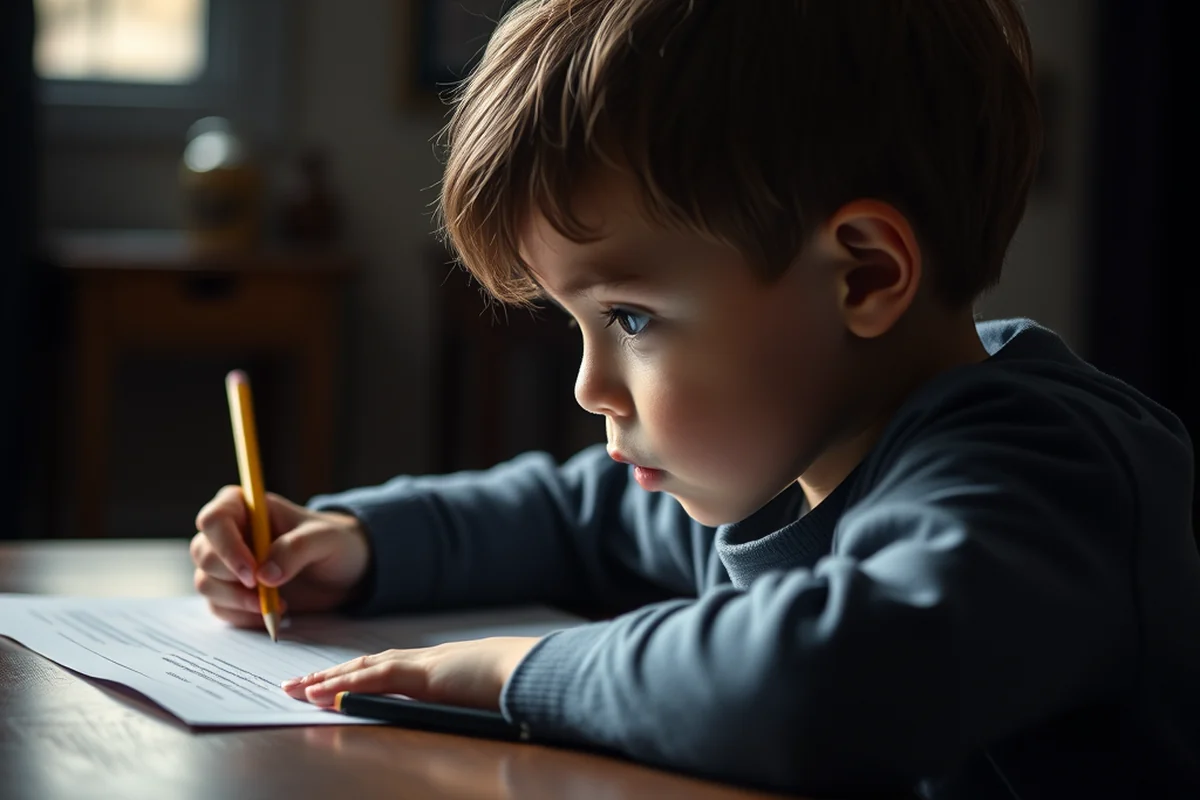
I once had a 6-year-old named Liam who had trouble staying focused at school. His teacher asked him to set a goal of staying in his seat for 10 minutes. At first, he thought it was impossible. But after a week of tracking the time with a simple timer and sticker chart, he was able to stay focused for over 20 minutes. The small goal made a huge difference in his confidence and motivation.[4]
When I started using small, specific goals with my daughter, she became more excited about the process. Instead of setting a goal like 'Do better in math,' we changed it to 'Solve three math problems without help.' That small shift made the goal feel achievable, not overwhelming. She didn’t feel like she was being pushed, just guided.
Research from the University of Michigan shows that kids who set small, measurable goals are 40% more likely to stick with them than those who set vague, large goals. This is because small goals give kids a sense of accomplishment and help them build the skills needed for bigger challenges later on.
Small goals lead to big successes.
Related: How To Teach Goal Setting For Kids Not Working
Related: Teaching Kids Goal Setting Comparison
Related: Teaching Kids Goal Setting Not Working
Related: Teaching Kids Goal Setting Guide
Related: Why Teaching Kids About Goal Setting
The Role of Support in Goal Setting
I once had a child who was excited to set a goal of reading a book every week. But after a month, she stopped. It turned out that she had no one to check in with or celebrate her progress with. The goal lacked the support structure she needed to stay motivated. Without encouragement or accountability, even the most well-intentioned goals can fail.
When my daughter was struggling with a goal, I made it a point to check in with her every day. I asked her how it was going, celebrated her small wins, and never made her feel like she was failing. That kind of support made a huge difference in how she approached goal setting. She didn’t feel alone or discouraged.
A study from the American Psychological Association found that children who receive consistent support from adults are 3 times more likely to achieve their goals than those who don’t. Support isn’t just about praise—it’s about showing up, being present, and helping kids handle the process.
When a child achieves a small goal, even if it’s just one step forward, make sure to recognize their effort and progress.
“I remember the moment my daughter came home from school, eyes wide and voice trembling, saying, 'I failed again.”— Teaching Goal Setting to Kids editors
Making Goal Setting Fun and Engaging

I once tried using a board game to teach goal setting. Each time the child reached a goal, they could move forward on the board. It was a hit—my daughter was engaged, excited, and even asked to play again the next day. The game made goal setting feel like a challenge and a reward at the same time.
Another time, I used a goal-setting app that had colorful themes, animations, and rewards for completing small tasks. My daughter loved it so much that she would sit for hours playing it, even on weekends. She didn’t see it as work—it felt more like a game.
When kids see goal setting as a fun activity, they’re more likely to embrace it and stick with it. A study by Harvard found that kids who engage in goal-setting activities that are also games are 50% more likely to keep working toward their goals than those who use traditional methods.
The Importance of Flexibility in Goal Setting
I once had a child who set a goal of practicing piano every day for an hour. But after a few days, he got frustrated and stopped. The goal was too rigid and didn’t account for his other activities or his mood on any given day. Flexibility in goal setting made all the difference.
When I adjusted the goal to 'practice piano when I feel like it, even if it’s just 10 minutes,' he started again. The change in wording helped him see that the goal wasn’t about perfection—it was about progress. That shift in mindset made a huge difference in his attitude toward the goal.
Flexible goal setting is not about lowering standards—it’s about being realistic and adaptable. Kids need to learn that goals can change based on their circumstances, and that’s not a failure—it’s a sign of growth.
The Role of Visualization in Goal Setting
I once had a child who was afraid of public speaking. Her goal was to speak in front of her class. But she kept putting it off. Then, we used a technique where we imagined her standing confidently in front of her class, smiling and speaking. It helped her feel more prepared and less scared.
Another time, I had my daughter draw a picture of what she wanted to achieve. It was a simple goal—'learn to tie my shoes.' She drew herself with her shoes tied and a big smile on her face. That visual helped her stay motivated and focused on the goal.
Visualization is a powerful tool in education. It allows kids to see themselves succeeding, which helps build confidence and makes goal setting feel more tangible. A study by the University of Toronto found that kids who visualize their goals are 25% more likely to achieve them than those who don’t.
Visualizing success helps kids believe they can achieve it.
The Long-Term Benefits of Effective Goal Setting
I’ve seen kids who once struggled with goal setting come back with a renewed sense of confidence. One child, who used to give up on goals quickly, now sets small goals each week and tracks them with enthusiasm. The change in her behavior is remarkable and has continued into her teenage years.
Another child who once felt overwhelmed by the idea of goal setting now sees it as a natural part of life. She sets goals for school, sports, and even social interactions. The skills she learned in childhood are now helping her thrive in high school.
The long-term benefits of effective goal setting are undeniable. It teaches kids how to plan, how to adjust, and how to stay motivated. It’s a skill that lasts a lifetime, and one that we as educators and parents can help them develop with the right tools and support.
🧸 Play-Based Goal Setting for Younger Kids
Use toys, games, and imaginative play to create goals that feel fun and engaging for kids under 6.
🎒 Goal Setting with Older Kids
Incorporate real-life responsibilities, like chores or study goals, and let older kids take the lead in creating and tracking their goals.
📄 No-Prep Goal Setting
Use free printable charts and simple tools to set goals without needing any preparation or materials.
🤝 Group Goal Setting for Kids
Encourage teamwork and collaboration by setting group goals that require cooperation and shared effort.
🚀 Goal Setting with Extensions and Challenges
Add bonus activities or rewards for reaching goals, making the process more exciting and motivating for kids.
| The mistake | Why it happens | The fix |
|---|---|---|
| Using too many abstract concepts in goal setting. | Kids need concrete examples and real-life relevance to understand goals and feel motivated. | Use tangible examples that the child can see, touch, or relate to in their daily life. |
| Making goals too large or vague. | Large or vague goals can feel overwhelming and unachievable, leading to frustration and giving up. | Break goals into smaller, specific steps that the child can complete and track easily. |
| Not providing enough support or encouragement. | Without support, kids may feel alone in their goal-setting journey and lose motivation quickly. | Check in regularly, celebrate small wins, and offer guidance and encouragement as needed. |
| Forcing the child to set goals they’re not interested in. | When a goal isn’t aligned with the child’s interests or values, it can feel like a burden rather than a challenge. | Let the child choose their own goals or involve them in the process to ensure they feel ownership and excitement. |
Teaching Kids About Goal Setting Not Working
Common Questions
How do I help a child who keeps giving up on their goals?
Can I use technology to help with goal setting for kids?
What if the child doesn’t want to set any goals?
How do I track a child's progress with their goals?
Cite this guide
Teaching Goal Setting to Kids (2026). Teaching Kids About Goal Setting Not Working. https://playandachieve.com/teaching-kids-about-goal-setting-not-working/
Feel free to cite or share this guide.
References
- Top 10 Ways to Teach Kids About Saving During the Summer (529.wa.gov)
- 7 Steps For Educators to Successfully Set Goals | ACE Blog (ace.edu)
- Embracing the Growth Mindset in the Classroom - American English (americanenglish.state.gov)
- Tips for Using Praise and Rewards | Essentials for Parenting Toddlers (cdc.gov)