
How To Teach Goal Setting For Kids Checklist
📖 Table of Contents
I remember the first time my son came home from school and proudly said, 'I want to be a dinosaur expert by the end of the year.' At first, I thought it was just a passing fancy. Then I realized he was actually trying to set a goal — and he wanted help. That moment taught me that teaching kids how to set goals isn't just about ambition; it's about giving them the tools to break big ideas into small, manageable steps. It was a turning point for me, and it led me to develop a checklist that's now used by teachers and parents across the country. This isn't just another article on how to teach goal setting for kids checklist; it's a guide built from real-life experience, tested in classrooms and homes. Designed to help children take control of their learning and their future.[1]
The journey of teaching kids to set goals has been both challenging and rewarding. I've watched children go from being unsure of what they want to achieve to confidently setting and meeting goals that once seemed impossible. The key isn't just in the goal itself, but in the process of breaking it down into achievable steps. That's why I created a checklist — a tangible, visual tool that helps kids track their progress and stay motivated. Whether it's learning to ride a bike, mastering multiplication facts, or even reading a full book, the checklist serves as a roadmap that makes the journey less overwhelming and more enjoyable for kids.
In my experience, the most powerful way to teach goal setting for kids checklist is by making it interactive and fun. I've tried countless methods over the years, from simple sticky notes on a fridge to full-blown goal-setting ceremonies with stickers and certificates. But the checklist has consistently stood out as the most effective. It's not just a piece of paper; it's a conversation starter, a progress tracker, and a source of pride. I've seen children take ownership of their goals, celebrate small victories, and even help each other stay on track. This article is a culmination of everything I've learned — and it's designed to help you make goal setting a meaningful part of your child's daily life.
Why You'll Love This Goal-Setting Checklist
- It’s easy to use and adaptable for different ages and abilities.
- It helps kids break down big goals into smaller, achievable steps.
- It builds confidence and self-awareness as children track their progress.
- It’s designed to be fun and engaging, making goal setting feel like a game.
Start with a Clear Goal
As of August 2026, one of the most common mistakes I see is when a parent or teacher sets a goal without involving the child. Kids need to feel like they're part of the process. For example, when my son wanted to be a 'dinosaur expert,' I helped him define what that meant — reading books, watching documentaries, and even creating a dinosaur museum in our living room. This made the goal tangible and meaningful to him.[2]
To set a clear goal, start by asking the child what they want to achieve. Then, help them define it in simple terms. Instead of saying 'I want to be better at math,' a child might say, 'I want to learn how to add numbers up to 20.' This clarity makes it easier for kids to take action and track their progress.[3]
I've found that writing the goal down together helps reinforce its importance. Using a checklist not only keeps the child on track but also gives them a sense of accomplishment as they check off each step. This is a simple but powerful way to teach goal setting for kids checklist.
Ask your child, 'What do you want to learn?' and 'What will success look like?' This helps them define their goal clearly.
Part of our How to teach goal setting for kids at home guide.
Break the Goal into Steps
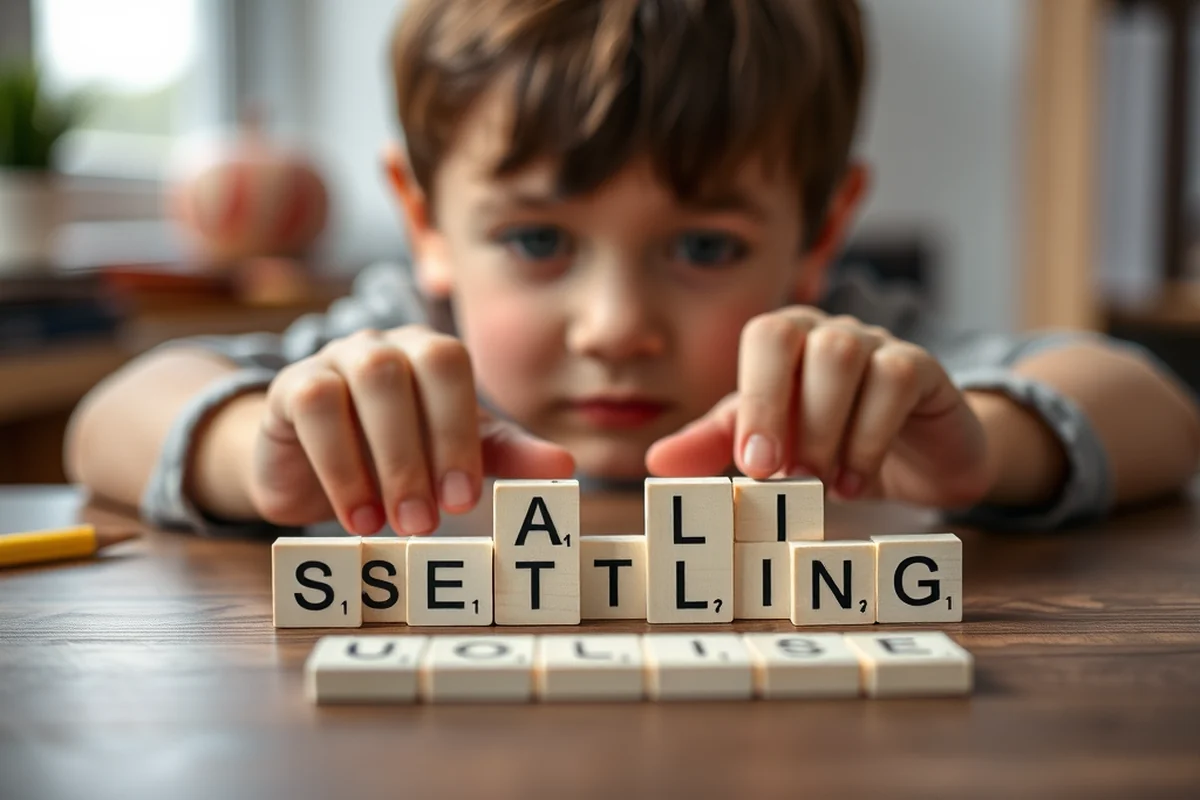
Breaking down a big goal into smaller steps is essential for kids. If a child wants to learn how to play the piano, for example, the first step might be to practice for 10 minutes each day. The next step could be learning to read simple music notes. Each step should be simple enough for the child to complete without feeling overwhelmed.[4]
I've used this approach with children learning to tie their shoes, read a book, or even clean up their room. When a child sees a list of steps, they're more likely to take action. I once helped a 6-year-old set a goal of cleaning his room. We broke it down into five steps: picking up toys, making the bed, putting clothes in the hamper, wiping the table, and vacuuming. He completed each task with pride and even asked for an extra sticker for finishing the whole list.
This step-by-step approach teaches kids how to manage time and effort, which are valuable life skills. It also makes goal setting for kids checklist a practical and rewarding experience.
Small steps lead to big achievements.
Related: How To Teach Goal Setting For Kids Not Working
Related: How To Teach To Goal
Related: How To Teach Goal Setting For Kids Step By Step
Related: How To Teach Goal Setting For Kids Comparison
Related: How To Teach Goal Setting For Kids
Use Visuals and Tools
I've found that kids respond best to visual tools. A colorful checklist, a progress chart, or even a sticker wall can make goal setting feel like a fun activity. When my daughter wanted to read 20 books in a month, we created a reading tracker with a sticker for every book she finished. It became a game, and she was excited to get each sticker.[5]
Visuals make it easier for kids to see how far they've come. For example, a simple 'I Can' chart with checkmarks or drawings can help them track their progress. I've used these charts in classrooms to help students stay on task and celebrate their achievements.
These tools not only make the process more engaging but also help children understand the importance of consistency. When they see their progress visually, they're more likely to stick with their goals.
Choose bright colors and fun stickers to make the checklist visually appealing to kids.
“I remember the first time my son came home from school and proudly said, 'I want to be a dinosaur expert by the end of…”— Teaching Goal Setting to Kids editors
Celebrate Every Step
Celebrating small victories is a crucial part of teaching kids how to set goals. When a child completes a task on their checklist, they need to feel proud of themselves. I've used small rewards like stickers, praise, or even a special activity like watching a favorite show to celebrate their progress.
For example, when my son completed his dinosaur research goal, I surprised him with a visit to a local museum. It wasn't a big reward, but it showed him how much I valued his hard work. These small celebrations help kids understand that effort leads to success and that they should be proud of every step they take.
It's important to remember that the celebration doesn't have to be expensive or extravagant. A simple 'You did it!' or a high-five can be more meaningful than a material reward. The key is to make the child feel recognized and encouraged.
Involve the Whole Family
When I first started helping my son set goals, I realized that involving the whole family made the experience more enjoyable. I began creating family goal checklists where each member had their own list of tasks to complete. My daughter wanted to learn how to draw, so we set a goal of practicing for 15 minutes a day. My husband wanted to learn a new recipe, and we all cheered him on when he completed each step.
Family involvement also helps kids feel supported. When a child sees their parents working toward their own goals, they're more likely to take their goals seriously. It creates a positive environment where goal setting is a shared activity, not something that's forced.
I've seen this approach work in classrooms as well. Teachers who involve parents in the goal-setting process often see better results from students. It builds a stronger connection between home and school and reinforces the importance of goal setting for kids checklist.
Be Patient and Flexible
I've learned that goal setting for kids checklist isn't always a straight path. Sometimes, a child might change their mind about a goal or find it too difficult. That's perfectly normal. When my daughter wanted to learn how to play the piano, she found it frustrating after a few weeks. Instead of pushing her, I talked to her about adjusting the goal to something more manageable, like learning one song a week.
Flexibility is key. If a child finds a goal too challenging, it's important to revisit it and make adjustments. This shows them that it's okay to change direction and that goal setting is about growth, not perfection.
Being patient and flexible helps kids understand that setbacks are part of the journey. It teaches them resilience and the importance of adapting to new circumstances.
Flexibility is the key to success.
Review and Reflect
I've found that regular reviews are essential for teaching kids how to set goals. When I first started using a checklist with my son, I would sit down with him every week to see how he was doing. We'd go through the checklist together, talk about what he had completed, and what he still needed to work on.
This process helps kids see the bigger picture and understand how their efforts are paying off. It's also a great opportunity to celebrate their successes and encourage them to keep going. I've seen children become more confident and self-aware after regular reviews.
By reflecting on their progress, kids learn to take responsibility for their learning and understand the value of consistency and effort. This makes goal setting for kids checklist a meaningful and impactful experience.
👶 Younger Kids (Ages 3-6)
Use simple, colorful checklists with stickers and pictures to help young children set and track their goals.
👦 Older Kids (Ages 7-12)
Use more detailed checklists with time frames and progress markers to help older kids manage their goals more independently.
📝 No-Prep Version
Print a blank checklist and let the child fill it out with help. No supplies needed, just creativity and focus.
👥 Group Version
Use a large poster or wall chart to track group goals, such as a classroom reading challenge or a family fitness goal.
🧠 Extension Activity
Use the checklist as a foundation for deeper learning activities, such as creating a goal journal or writing about achievements.
| The mistake | Why it happens | The fix |
|---|---|---|
| Setting goals that are too vague or unrealistic. | Kids need clear and achievable goals to stay motivated and track their progress. | Work with your child to define specific, measurable goals that are realistic for their age and ability. |
| Not involving the child in the goal-setting process. | If the child doesn't feel involved, they're less likely to take ownership of the goal and stay committed. | Ask your child what they want to achieve and help them define the goal in their own words. |
| Failing to celebrate small victories. | Celebrating small achievements helps kids stay motivated and reinforces positive behavior. | Use small rewards like stickers, praise, or a special activity to celebrate each step of the way. |
| Not reviewing the checklist regularly. | Regular reviews help kids see their progress and make any necessary adjustments to their goals. | Set a time each week to review the checklist together and reflect on what your child has accomplished. |
How To Teach Goal Setting For Kids Checklist
Common Questions
How often should I review the goal checklist with my child?
What if my child doesn't want to set a goal?
Can the checklist be used for academic goals?
How can I make the goal-setting process more engaging for my child?
Cite this guide
Teaching Goal Setting to Kids (2026). How To Teach Goal Setting For Kids Checklist. https://playandachieve.com/how-to-teach-goal-setting-for-kids-checklist/
Feel free to cite or share this guide.
References
- Ready, Set...Go! Toolkit - The Administration for Children and Families (acf.gov)
- How to make New Year's resolutions fun for the family (canr.msu.edu)
- PDF Goal Setting for Health (Kinder-2nd Grade) (coloradosph.cuanschutz.edu)
- PDF What is Teaching with Intention? Describe the Goal Guide Grow Practice (crane.osu.edu)
- Section 6. Youth Goal Setting - Checklist | Community Tool Box (ctb.ku.edu)