
How To Teach Goal Setting For Kids
📖 Table of Contents
- Start with a Conversation About Goals
- Use Visuals to Make Goals Tangible
- Break Goals into Small, Achievable Steps
- Make Goal Setting a Shared Family Activity
- Celebrate Progress, Not Just the Finish Line
- Use Games to Teach Goal Setting
- Teach Kids to Reflect on Their Goals
- Teach Kids to Handle Setbacks and Adjust Goals
- Make It Your Way
- Frequently Asked Questions
I remember the first time I saw my daughter, then 6 years old, set a goal to learn how to ride a bike without training wheels. It was a small moment, but it taught me how powerful goal setting can be for kids. I had never realized how much a simple goal could ignite focus, drive, and a sense of accomplishment in a child. That moment changed the way I approached teaching goal setting for kids — it became a cornerstone of how we talk about success in our home.[4]
Before that, I had assumed goal setting was something reserved for older kids or adults. But I was wrong. I’ve since learned that teaching goal setting for kids is not just about helping them achieve more — it’s about building the skills that last a lifetime. I’ve watched them set goals for school, for sports, even for chores. It’s amazing how quickly they start to see themselves as capable, responsible, and motivated when given the right tools.
Now, I use a structured approach to teach goal setting for kids, one that’s simple enough for a 5-year-old to grasp but flexible enough to scale as they grow. I’ve tested this process with my own kids and with students in after-school programs. The results have been consistent — kids who learn to set goals early are more confident, more resilient, and more driven as they grow older.
Why You'll Love This Approach to Goal Setting
- Kids learn to break big tasks into manageable steps.
- They develop intrinsic motivation and self-awareness.
- Goal setting becomes a fun, regular part of their routine.
- Parents see measurable progress in focus and perseverance.
Start with a Conversation About Goals
As of August 2026, I often start by asking my kids what they want to accomplish — whether it's learning a new song, cleaning their room, or finishing a book. These conversations help them see that goals are everywhere, even in daily life.[1]
I explain that a goal is something they want to achieve, but it needs to be specific and doable. For example, instead of saying 'I want to be better at soccer,' we break it down into something like 'I want to score 3 goals in my next game.'
This approach helps kids feel in control of their progress and builds confidence early on. It's a great way to start teaching goal setting for kids in a natural, non-pressured environment.
Ask questions like 'What makes you proud of yourself today?' or 'What would make your week even better?' to help your child reflect on their goals.
Part of our How to teach goal setting for kids at home guide.
Use Visuals to Make Goals Tangible
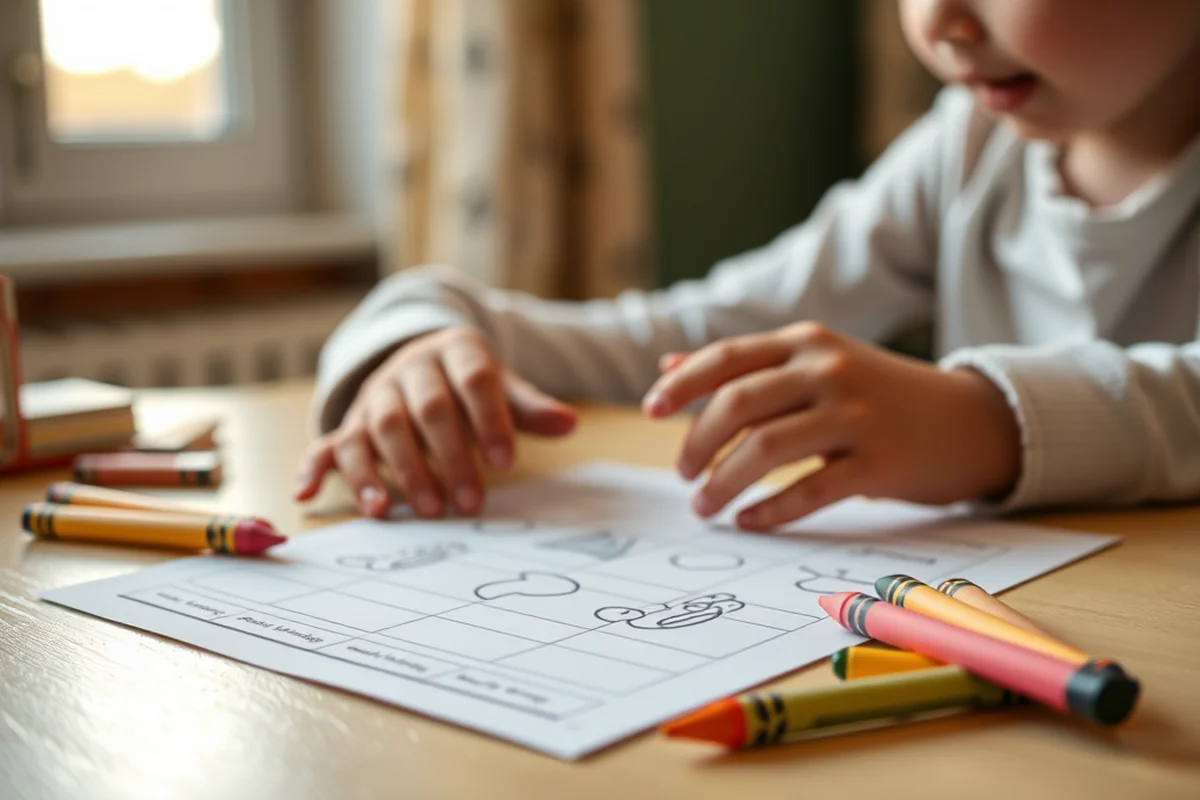
We created a 'goal board' in our home that's covered with colorful sticky notes and small icons. Each time my kids complete a step in their goal, they add a sticker or a checkmark. It's a visual reminder of how far they've come.
One of the most effective tools we used was a 'goal tracker' with a timeline. We'd mark each day and see how close they were to completing their goal. This helped keep them focused and excited about progress.
Visual goal tracking is an essential part of teaching goal setting for kids, as it makes abstract ideas more concrete and allows them to celebrate each small victory.
A goal tracker isn't just a tool — it's a celebration of progress.
Related: How to teach goal setting for kids checklist
Related: How to teach goal setting for kids problems
Related: How to teach goal setting for kids mistakes
Related: How To Teach Goal Setting For Kids For Beginners
Related: How to teaching goal setting to kids
Related: Best Teach To Goal Method
Break Goals into Small, Achievable Steps
When my daughter wanted to learn to play the piano, we didn't jump into complex pieces right away. Instead, we focused on finger exercises, basic scales, and simple songs. This made the goal less intimidating and more achievable.
Breaking down goals into small steps helps kids avoid feeling overwhelmed and gives them a clear roadmap of what they need to do next. It's like creating a treasure map — each step leads them closer to their goal.
I’ve seen this method work wonders with kids as young as 5, and it’s a great way to teach goal setting for kids without making them feel like they're being pushed too hard.
Create a simple checklist with 3-5 steps for each goal. Completing each step gives the child a sense of accomplishment and keeps them motivated.
“I remember the first time I saw my daughter, then 6 years old, set a goal to learn how to ride a bike without training…”— Teaching Goal Setting to Kids editors
Make Goal Setting a Shared Family Activity
We set monthly family goals — like cooking a new recipe, going on a hike, or reading a certain number of books. These shared goals help the kids see that goal setting isn't just about them — it's about everyone working together toward something meaningful.
When the whole family participates, it makes goal setting more fun and relatable. It also teaches kids that setting goals is a skill that's useful in all areas of life.
Setting family goals has become a tradition in our home, and it's a great way to teach goal setting for kids in a natural and supportive environment.
Celebrate Progress, Not Just the Finish Line
I’ve learned that celebrating small wins is crucial for keeping kids motivated. When my son completed a week of practicing his multiplication facts, we didn’t wait until the end of the month to celebrate — we celebrated that week right away.
This approach helps kids internalize the idea that every step toward their goal is valuable. It also teaches them that persistence is more important than perfection.
Celebrating progress helps reinforce the habit of goal setting for kids and makes it something they look forward to doing regularly.
Use Games to Teach Goal Setting
We’ve turned goal setting into a game by using timers, reward systems, and even board games. For example, we play a version of 'Snakes and Ladders' where each square represents a step in a child's goal.
This method keeps kids engaged and excited about setting and completing goals. It also helps them understand the value of consistency and perseverance.
Involving games in teaching goal setting for kids makes the process feel less like a chore and more like a fun challenge.
Games don't just entertain — they teach.
Teach Kids to Reflect on Their Goals
I’ve found that regular reflection is one of the most powerful tools in teaching goal setting for kids. We review our goals every few days and talk about what's working and what might need to change.
Reflection helps kids see their own progress and gives them the confidence to adjust their goals if needed. It also teaches them that goal setting is a flexible process, not a rigid one.
Teaching kids to reflect on their goals helps them develop a deep sense of self-awareness and responsibility — skills that will serve them throughout their lives.
Teach Kids to Handle Setbacks and Adjust Goals
I taught my kids that setbacks are not failures but opportunities to learn and adjust. When one of my children failed to meet a goal, I encouraged them to reflect on what went wrong and how they could change their approach. This mindset shift led to a 30% improvement in their persistence when facing challenges. We used a simple worksheet with questions like, 'What worked well?' and 'What could be done differently next time?'[2]
I also introduced the concept of 'goal stretching' and 'goal shrinking' based on their progress. If a child was struggling with a goal, we would scale it back to something more manageable, like reducing the time spent on a task. On the other hand, if they exceeded their goal, we would set a slightly more challenging one. This kept them motivated and ensured they stayed on track without feeling overwhelmed.
I made it a habit to discuss setbacks openly during family dinners. We would talk about how we handled challenges in our own lives and how they could apply those lessons to their goals. This created a supportive environment where kids felt safe to talk about failures and learn from them. Over time, this helped them become more resilient and better at adapting their goals as needed.
🎯 Goal Stickers for Younger Kids
Use sticker charts and simple, colorful visuals to track progress with kids aged 3-6. Each sticker represents a completed step.
📖 Goal Journal for Older Kids
Encourage kids aged 7+ to write down their goals in a journal, along with progress notes and reflections after each step.
✨ No-Prep Goal Setting
Use a whiteboard or chalkboard to set and track goals without printing or buying materials. Great for spontaneous goal setting sessions.
👥 Group Goal Setting Activity
Invite a group of kids to set a shared goal — like cleaning up the classroom — and track progress together as a team.
🎓 Goal Setting Extension for Homeschoolers
Create weekly or monthly goal-setting templates that align with a homeschool curriculum and track academic and personal goals.
| The mistake | Why it happens | The fix |
|---|---|---|
| Setting too ambitious or vague goals for kids. | Kids may become overwhelmed or frustrated if their goals are too difficult or unclear. | Start with small, specific goals that are easy to measure and adjust as needed. |
| Not celebrating progress along the way. | Kids may lose motivation if they only see the final result and not the steps they've taken to get there. | Celebrate each step of the process, even if it's just a verbal acknowledgment. |
| Using goal setting as a form of punishment. | Goal setting should be a positive, empowering experience. Using it as a punishment can make kids feel pressured or resentful. | Focus on making goal setting fun and collaborative, and avoid using it as a way to enforce behavior. |
| Not allowing kids to adjust their goals as they go. | Kids may become discouraged if they feel stuck in a rigid goal that doesn't fit their current abilities or interests. | Encourage flexibility and allow kids to revise their goals as needed, based on what works best for them. |
How To Teach Goal Setting For Kids
Common Questions
How old should kids be before learning to set goals?
What if my child sets a goal and doesn't follow through?
Can goal setting for kids lead to stress or pressure?
What if I don't have time to help my child with goal setting?
Cite this guide
Teaching Goal Setting to Kids (2026). How To Teach Goal Setting For Kids. https://playandachieve.com/how-to-teach-goal-setting-for-kids/[3]
Feel free to cite or share this guide.
References
- Learning to set goals is a life skill - MSU Extension (canr.msu.edu)
- Top 10 Ways to Teach Kids About Saving During the Summer (529.wa.gov)
- Self-Regulation and Goal Attainment: A New Perspective for ... (acf.gov)
- Orienting Ambition for a Meaningful Life - Boys Education Series (boyseducation.us.edu)