
Teaching Goal Setting To Elementary Students Problems
📖 Table of Contents
- Why Goal Setting Fails for Kids
- The Role of Parental Support in Goal Setting
- Using Visual Tools to Help Kids Stay on Track
- Why Rewards Matter in Goal Setting
- Teaching Kids to Reflect on Their Goals
- The Importance of Consistency in Goal Setting
- Encouraging Ownership of Goals
- Make It Your Way
- Frequently Asked Questions
When I first tried to teach my third grader how to set goals, I thought it would be as simple as asking her what she wanted to achieve. But what I learned over the next few weeks was that goal setting for elementary students is far more complex than I ever imagined. The problems ranged from her not understanding the difference between a wish and a goal to her giving up after just a few days. I was in for a steep learning curve, and it made me realize how important it is to approach goal setting with intention and structure.[5]
One of the biggest challenges I faced was getting my child to define what success even looked like. She had a hard time translating her vague desires into specific, actionable steps. For instance, she wanted to 'be better at math,' but that was too broad to be helpful. It wasn’t until I helped her break it down into smaller, measurable goals—like completing 10 math problems a day—that she began to see progress. This experience taught me that teaching goal setting to elementary students problems is a common struggle, and it requires a tailored, thoughtful approach.[1]
Through trial and error, I discovered that goal setting with young kids isn’t just about creating a to-do list; it's about building resilience, self-awareness, and a growth mindset. I started incorporating visual tools, like goal trackers and reward charts, which made the process more engaging for her. It wasn’t always smooth, but over time, the lessons we learned together turned what initially felt like a challenge into a valuable educational experience that we both could take pride in.
Why You'll Love This Goal-Setting Approach
- Builds lifelong skills in self-regulation and accountability.
- Empowers kids to take ownership of their learning and achievements.
- Offers a structured yet flexible framework that adapts to different learning styles.
- Encourages persistence and resilience through measurable, incremental progress.
Why Goal Setting Fails for Kids
As of August 2026, I tried asking my daughter what she wanted to achieve. She said, 'I want to be the best student in my class.' That was a huge goal for a third grader, and it set her up for frustration. She didn't know how to measure 'best,' and she didn't have a clear path to get there. I realized that the problem wasn't the goal itself, but the lack of support and structure. Without a way to break it down, she felt overwhelmed.[2]
Another issue I noticed was that my daughter often gave up after just a few days. When she set a goal to read a book in a week, she only made it two days in. I saw that she wasn't learning how to stay motivated or adapt her plan when things got hard. This was a key lesson: goal setting for elementary students problems isn't just about the goal, but about the process of learning how to manage it.
To prevent these problems, I started introducing smaller, more manageable goals. I helped her break 'be the best student' into daily tasks like completing homework, participating in class, and asking questions. This shift made a big difference. She could see progress, and that helped her stay motivated and committed.
Help your child translate big goals into daily actions. Use a visual tracker to show them how each small step contributes to the bigger picture.
Part of our Teaching goal setting to kids at home guide.
The Role of Parental Support in Goal Setting
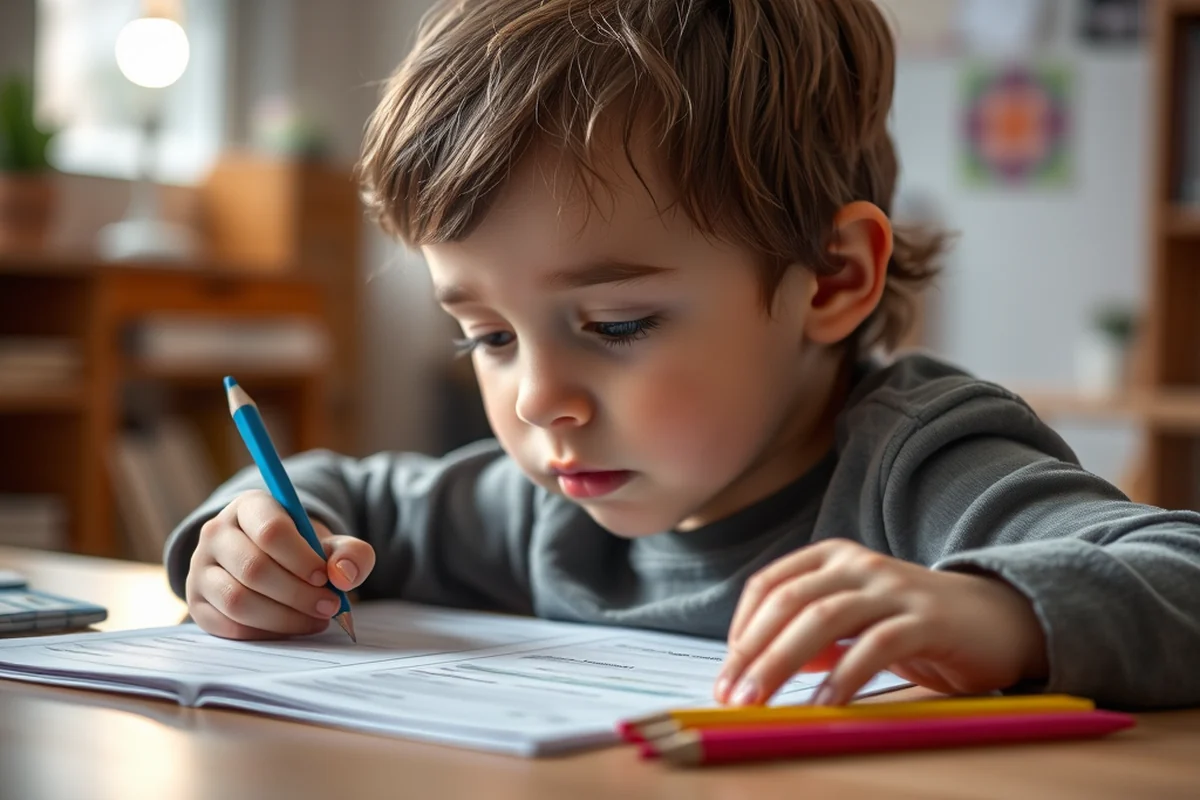
I quickly realized that being a supportive parent was just as important as helping my daughter choose the right goals. She needed encouragement, especially when she hit obstacles. One day, she said she didn’t want to keep trying to read every night, and I almost let her give up. Instead, I reminded her of how far she’d come and helped her adjust her goal to read just five pages a night instead of a whole book.
When I took a step back and let her take charge of her goals, she became more motivated. She started creating her own goal cards and tracking her progress. This showed me that parental support can be a powerful tool, but it’s important to let the child lead the way. My role was to guide, not to control.
By being a constant source of encouragement, I helped her stay focused and motivated. I saw her become more confident in her abilities, and that confidence carried over into other areas of her life. It was a win-win for both of us.
Support is the foundation of every successful goal.
Related: How To Teach Goal Setting For Kids Checklist
Related: Teaching Kids About Goal Setting Not Working
Related: How To Teach Goal Setting For Kids Not Working
Related: How To Teach To Goal
Related: Teaching kids goal setting not working
Related: What Is Teaching Strategies Creative Curriculum
Related: Teaching Goal Setting To Elementary Students Checklist
Using Visual Tools to Help Kids Stay on Track
I started using a goal tracker with my daughter after I noticed she was struggling to remember her goals. The tracker had a place for her to write her goal, a calendar to mark off each day she completed a task, and a reward section. It was simple but effective. She could see her progress and felt a sense of accomplishment each time she completed a task.
I also used a visual chart with stickers for each small goal she achieved. For example, if she finished her math homework, she got a sticker. After she collected a certain number of stickers, she could choose a small reward. This made the process more fun and engaging, and it kept her motivated.
The visual tools helped her understand that even small steps added up to big achievements. It was a powerful way to teach her that consistency and perseverance were key to reaching her goals.
Colorful charts and stickers make goal setting more engaging for kids. Use them to show progress and celebrate small wins.
“When I first tried to teach my third grader how to set goals, I thought it would be as simple as asking her what she…”— Teaching Goal Setting to Kids editors
Why Rewards Matter in Goal Setting
I used to think rewards were a crutch, but I quickly learned that they could be a powerful motivator for my daughter. When she was working on a goal like practicing piano for 15 minutes a day, she would often say she didn’t want to do it. I introduced a reward system where she could earn a small treat after completing a week of consistent practice. This helped her stay on track and feel accomplished.[3]
The rewards didn't have to be expensive. Sometimes, it was just a sticker, a fun activity, or extra screen time. I made sure the rewards were something she genuinely wanted, and that they were tied to her progress. This taught her that effort and consistency could lead to rewards, but only if she followed through.
Over time, I realized that the rewards weren't just about the treat itself. They were about reinforcing the idea that hard work and perseverance were worth it. It was a small but important lesson in goal setting for elementary students problems.
Teaching Kids to Reflect on Their Goals
I started having weekly check-ins with my daughter to talk about how she was doing with her goals. During one of these check-ins, she said she wasn’t making progress on her math goal, and I realized she needed to adjust her approach. We sat down together and talked about what was working and what wasn’t. This was a key moment in teaching goal setting to elementary students problems, as it helped her understand that goals might need to be revised.
I encouraged her to write down what she had learned during the week and what she wanted to do differently next week. This helped her build a sense of ownership over her goals and made her more aware of how to stay on track. It also taught her that failure was part of the process and that it was okay to make changes.
Through these reflections, she began to see that goal setting wasn’t just about achieving the goal, but about learning and growing along the way. It was a valuable lesson in resilience and adaptability.
The Importance of Consistency in Goal Setting
I noticed that my daughter had a hard time staying consistent with her goals, especially when things got busy or she felt unmotivated. Some days, she would forget to do her tasks, and other days, she would do them but not in the same way. This inconsistency was a real problem, and I realized that without consistency, she wasn’t going to make lasting progress.
To help her stay consistent, I started setting up a routine around her goals. For example, we would review her goals every morning and set a reminder for when she needed to complete her tasks. This made it easier for her to stay on track and helped her build a habit of working toward her goals.
Over time, she became more consistent in her approach, and that led to better results. It was a powerful reminder that consistency was the key to success, not just the goals themselves.
Consistency is the key to unlocking success.
Encouraging Ownership of Goals
One of the biggest shifts in my approach was teaching my daughter to own her goals. Instead of me setting the goals for her, I started asking her what she wanted to achieve and helped her create a plan. This gave her a sense of ownership and responsibility, and it made her more committed to working toward her goals.
I also let her choose her own rewards, which gave her more control over the process. This helped her feel more invested in her goals and made her more likely to follow through. It was a simple change, but it made a huge difference in her motivation and engagement.
By giving her more autonomy, I saw her take more initiative in her learning. She was more confident in her ability to set and achieve goals, and that confidence carried over into other areas of her life. It was a powerful lesson in goal setting for elementary students problems.
🧸 Younger Kids (Ages 3-5)
Use simple, visual goal charts with stickers and short-term goals that are easy to achieve.
🧱 Older Kids (Ages 6-12)
Introduce more complex goals and tools like weekly check-ins and progress reports to track long-term goals.
🎯 No-Prep Version
Use free printable goal trackers and focus on daily habits that require minimal materials or preparation.
🤝 Group Version
Create a classroom goal-setting activity that involves group challenges and peer accountability.
🚀 Extension Version
Introduce goal-setting challenges that combine learning with creativity, like a monthly goal project with a presentation component.
| The mistake | Why it happens | The fix |
|---|---|---|
| Setting goals that are too vague or broad. | Vague goals like 'I want to be better at math' don't provide a clear path to success and can lead to frustration. | Break down big goals into specific, measurable tasks. For example, 'I want to complete 10 math problems a day.' |
| Forcing a child to set a goal they're not interested in. | If a child isn't invested in the goal, they're less likely to follow through on it, and it can lead to resistance and a lack of motivation. | Let your child choose a goal they're interested in and that aligns with their interests and strengths. |
| Not providing enough support or encouragement. | Without support, children can feel overwhelmed or discouraged, especially when facing challenges or setbacks. | Be a consistent source of encouragement and offer guidance when needed. Celebrate their progress and be patient with them. |
| Using rewards that don't align with the child's interests. | If the reward isn't something the child genuinely wants, it won't be as effective in motivating them. | Let your child choose their own rewards and make sure they are meaningful and aligned with their interests. |
Teaching Goal Setting To Elementary Students Problems
Common Questions
How can I help my child understand what a goal is?
What if my child doesn’t want to set goals?
How do I keep my child motivated to follow through on their goals?
What if my child gives up on their goal?
Cite this guide
Teaching Goal Setting to Kids (2026). Teaching Goal Setting To Elementary Students Problems. https://playandachieve.com/teaching-goal-setting-to-elementary-students-problems/[4]
Feel free to cite or share this guide.
References
- The Effects of Goal-Setting Practices on Academic Performance in ... (coe.hawaii.edu)
- Setting Conditions for Learning: Meta-Strategies for Differentiation (2009-2017.state.gov)
- How Does Goal-Setting Support Personal Growth in Students? (acacia.edu)
- Boost Student Accountability With These Goal-Setting and Student ... (ace.edu)
- Teaching problem solving: Let students get 'stuck' and 'unstuck' (brookings.edu)