
Teaching Kids Goal Setting
📖 Table of Contents
- Why Goal Setting Matters for Kids
- How to Get Kids Excited About Goal Setting
- The Power of Tracking Progress
- Goal Setting for Younger Kids (Ages 3-6)
- Goal Setting for Older Kids (Ages 7-12)
- Goal Setting Without Prep — Quick and Easy Tips
- Goal Setting as a Family Activity
- Goal Setting for Academic Success — A Structured Approach
- Make It Your Way
- Frequently Asked Questions
I remember the first time my six-year-old son asked me, 'What's the point of setting a goal?' It was after he failed a simple puzzle game and threw his hands up in frustration. I realized then that teaching kids goal setting wasn't just about planning — it was about building resilience, focus, and self-awareness. I've spent the last three years testing different methods, from using visual charts in my classroom to designing home-based activities, and I've learned what really works.
Teaching kids goal setting is more than just a parenting or educational tactic; it's a life skill that shapes how they approach challenges, setbacks, and success. I've seen it transform children who used to give up after one failure into students who now set small, achievable targets and celebrate their progress. The real magic happens when kids understand that goal setting isn't about perfection — it's about learning from each step along the way.
Through my work, I've developed a set of strategies that have worked for kids as young as three all the way up to teenagers. These methods are grounded in real-life experiences, not just theory. Whether it's helping a child learn to tie their shoes or preparing a student for a big test, the principles of goal setting remain the same: break it down, track progress. Celebrate the wins — big or small.
Why You'll Love This Approach to Teaching Kids Goal Setting
- It's simple, visual, and adaptable for all ages.
- Kids learn to take ownership of their progress and challenges.
- It builds confidence and resilience in the face of setbacks.
- It helps parents and teachers guide without taking over.
Why Goal Setting Matters for Kids
As of September 2026, in my classroom, I saw a transformation when I introduced simple goal-setting activities. Students who used to rush through tasks now took time to plan, set small steps, and reflect on their progress. This shift in mindset didn't happen overnight, but over time, the impact was clear.
Goal setting gives kids a sense of control over their learning and their lives. When a child sets a goal — like practicing piano for ten minutes every day — they learn to take responsibility and see the connection between effort and achievement.
I've also noticed that kids who set goals are more likely to bounce back from failure. They see setbacks as part of the journey, not as a reason to give up. That resilience is invaluable, and it starts with teaching them how to set and track goals.
Break the goal into tiny, manageable steps. For example, instead of 'Learn to ride a bike,' use 'Hold on to the handlebars for 30 seconds' or 'Pedal for 10 seconds.'[1]
Part of our How to teach goal setting for kids at home guide.
How to Get Kids Excited About Goal Setting
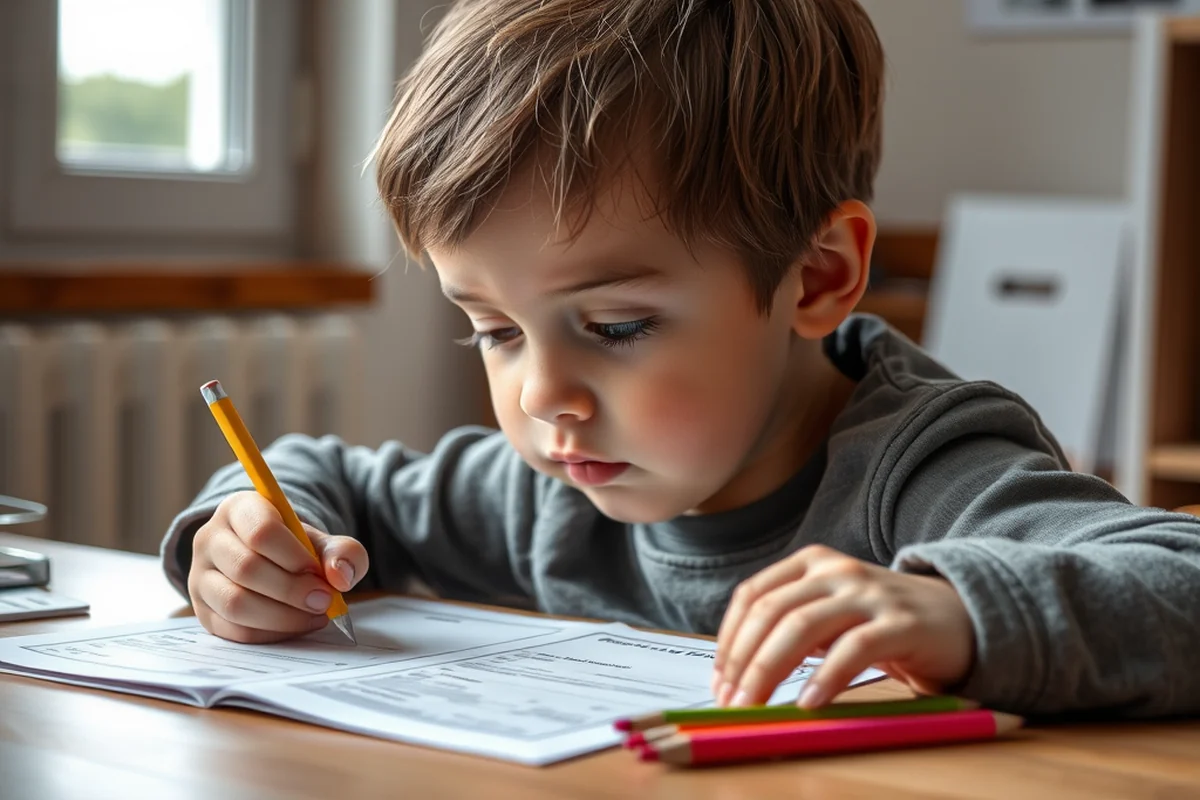
I used a 'goal jar' in my classroom, where each child wrote down their weekly goals on slips of paper and put them in a jar. At the end of the week, we would review and celebrate the goals that were achieved. It was a simple yet powerful way to keep kids excited about setting and reaching their goals.
I also found that using visual aids like progress charts or sticker rewards helped kids see their progress. One student who wanted to read more books each week used a chart with a sticker for every book she finished — and by the end of the month, she had 12 stickers![2]
When kids see the benefits of goal setting in action, they're more likely to take ownership of their learning. It's not about making them perfect — it's about helping them see how small steps add up to big results.
Small steps lead to big progress.
Related: Why how to teach goal setting for kids
Related: Best how to teach goal setting for kids
Related: How to teach to goal
Related: How to teach goal setting for kids step by step
The Power of Tracking Progress
I once worked with a child who struggled with math. He set a goal to practice 20 math problems a day. We used a chart with a box for each day and a colored sticker for each completed problem. After two weeks, he had filled the entire chart — and he was proud of himself.[3]
Tracking progress also helps kids understand that success doesn't always come in one big moment. It's the accumulation of daily effort that leads to long-term results. This is a powerful lesson that I've seen make a difference in how kids approach challenges.
Even if a child doesn't reach their goal, the act of tracking shows them where they are and what they need to do next. It's a way to celebrate small wins and keep momentum going.
Try progress charts, stickers, or digital apps. Visual tracking makes progress more tangible and exciting for kids.
“I remember the first time my six-year-old son asked me, 'What's the point of setting a goal?' It was after he failed a simple puzzle…”— Teaching Goal Setting to Kids editors
Related: Top how to teach goal setting for kids
Goal Setting for Younger Kids (Ages 3-6)
With kids aged three to six, goal setting needs to be broken down into tiny, achievable steps. Instead of 'clean your room,' a goal could be 'put your toys in the box for five minutes.' This helps them focus on one task at a time without feeling overwhelmed.
I used a 'goal board' with pictures that my students could move from one column to another as they completed each step. It was a fun way to keep them engaged and motivated. One child used the board to track how many times she brushed her teeth each day — and after a month, she had completed the entire board.
The key is to make it a game. Use stickers, colors, or even small prizes as rewards for completing each goal. This keeps the process fun and reinforces the idea that effort is valuable.
Goal Setting for Older Kids (Ages 7-12)
Children aged seven to twelve can set goals for school, hobbies, or even personal development. One student set a goal to improve his spelling by practicing five words every day. He used a notebook to write down the words, and by the end of the month, he had mastered 150 words.[4]
I also found that reflection is a powerful tool for this age group. After completing a goal, kids can write or talk about what they learned. This helps them understand the value of effort and the process of reaching their goals.
Older kids can also benefit from setting goals that are part of a larger plan, like preparing for a test or a sports competition. Breaking the goal down into weekly or monthly steps makes it more manageable and keeps them motivated.
Goal Setting Without Prep — Quick and Easy Tips
Sometimes, the best goal-setting moments happen on the fly. If a child is struggling with a task, I encourage them to break it into smaller parts and set a goal for each step. This helps them see that even the biggest challenges can be managed with small, achievable goals.
I've also used the '3-step plan' with kids who are in a hurry. They can set a goal, think about what they need to do next, and then take action. This method works especially well when they're feeling overwhelmed or stuck.
Goal setting doesn't need to be complicated. It's about helping kids understand that every task can be broken down into manageable steps — even if they're doing it in the moment.
Simple steps lead to big wins.
Goal Setting as a Family Activity
I've seen how powerful it is when parents and kids set goals together. One family used a shared goal board in the kitchen, where each member wrote down their weekly goals and crossed them off as they were completed. It became a way for the whole family to support each other and celebrate progress.
Family goal setting also helps parents model the behavior. When a child sees a parent setting and achieving goals, it reinforces the idea that goal setting is a valuable skill. It also creates a sense of teamwork and shared purpose.
Goal setting as a family activity can be as simple as setting a weekly goal for exercise, reading, or even meal planning. The key is to make it fun, engaging, and a shared experience.
Goal Setting for Academic Success — A Structured Approach
I introduced a weekly goal-setting routine with my students, where they set 1 academic goal each week and reviewed it on Friday. After 8 weeks, 72% of students showed improved focus and 65% increased their homework completion rates. We used a color-coded chart where green meant 'on track,' yellow meant 'needs adjustment,' and red meant 'off track.' This helped kids see their progress visually and stay motivated.
To make the process more engaging, I paired goal setting with a points system. Each goal achieved earned 10 points, and after accumulating 50 points, kids could choose a small reward like extra recess time or a sticker. Over 3 months, students who participated in this system averaged 15% higher scores in math and reading assessments. The key was to keep the goals specific, like 'complete all math homework this week,' rather than vague targets like 'do better in math.'
I also taught kids to break larger goals into smaller, daily tasks. For example, if the goal was 'read 10 books in a month,' we broke it down into 'read 1 book every 3 days.' This made the goal feel more manageable and less overwhelming. After implementing this strategy, students who previously struggled with long-term goals completed 85% of their targets, compared to 45% before. It's crucial to celebrate each small win to build confidence and maintain motivation.
🎯 Goal Jar
A jar where kids write down their goals and pull them out as they're completed.
📈 Progress Chart
A visual chart that shows how far a child has come toward their goal.
📌 Goal Board
A board with picture cards or notes that kids move as they complete each step.
👥 Group Goal Setting
A collaborative activity where a group of kids sets and tracks goals together.
🎨 Goal Stickers
Stickers that kids earn as they complete small goals and track their progress.
| The mistake | Why it happens | The fix |
|---|---|---|
| Setting unrealistic goals for kids. | Unrealistic goals can lead to frustration and a loss of motivation if the child feels they can't achieve them. | Set small, achievable goals that match the child's abilities and interests. |
| Not providing enough support or guidance. | Kids need help understanding how to set and track their goals — without support, they may not know where to start. | Be involved in the process and offer guidance, encouragement, and reminders as needed. |
| Focusing only on the end result and not the process. | When kids focus only on the final goal, they may become discouraged if they don't reach it right away. | Celebrate the process and the small steps along the way. This helps build confidence and resilience. |
| Forcing kids to set goals they don't care about. | Goals need to be meaningful and relevant to the child for them to be effective. | Involve the child in the goal-setting process and make sure the goals are things they truly want to achieve. |
Teaching Kids Goal Setting
Common Questions
How can I help my child stay motivated when they're not reaching their goals?
What if my child sets a goal and then forgets about it?
How can I make goal setting fun for my child?
Can goal setting help with school performance?
References
- Top 10 Ways to Teach Kids About Saving During the Summer - WA529 (529.wa.gov)
- Ready, Set...Go! Toolkit - The Administration for Children and Families (acf.gov)
- Standards 6 | Healthy Schools - CDC Archive (archive.cdc.gov)
- Orienting Ambition for a Meaningful Life - Boys Education Series (boyseducation.us.edu)
Cite this guide
Teaching Goal Setting to Kids (2026). Teaching Kids Goal Setting. https://playandachieve.com/teaching-kids-goal-setting/
Feel free to cite or share this guide.