
Goal Setting Theory
📖 Table of Contents
- What Goal Setting Theory Actually Means
- Why Goal Setting Works for Kids
- Making Goals Personal and Meaningful
- Using Visual Tools to Track Progress
- Celebrating Small Wins Along the Way
- Adapting Goal Setting Theory for Different Ages
- The Long-Term Benefits of Goal Setting Theory
- Make It Your Way
- Frequently Asked Questions
I remember the first time I watched my daughter set a goal to read a book in a week. She picked out a picture book, marked the pages in a notebook, and every night, she would check off the number of pages she'd read. It was simple, but it sparked something in her that I hadn't seen before — a sense of direction and purpose. Goal setting theory isn't just an abstract concept; it's a tool that I've used with my own children and students for years. It's about helping kids understand what they want, and how to get there, one small step at a time.[4]
Goal setting theory, as developed by psychologists like Edwin Locke and Gary Latham, has been studied for decades. It's not just about setting a target — it's about creating a pathway to reach it. As an educator, I've seen how this theory can be applied in classrooms, from improving test scores to increasing student engagement. The key is to break big goals into manageable pieces, and to celebrate progress along the way.
I've tested goal setting theory in my own home, and it's made a difference. When my son wanted to learn how to play the guitar, we set small goals like learning three chords each week, practicing for 20 minutes a day, and recording his progress. It wasn't just about learning guitar — it was about learning how to set and achieve goals. That's the real power of goal setting theory: it teaches kids how to think, plan, and stay motivated.[1]
Why You'll Love This Goal Setting Approach
- It builds self-awareness and confidence in kids
- It creates a clear, measurable path to success
- It teaches children to break down big problems into small, manageable steps
- It helps kids take ownership of their learning and growth
What Goal Setting Theory Actually Means
As of October 2026, Goal setting theory isn't just about saying, 'I want to get an A in math.' It's about understanding why that goal matters, what steps are needed to reach it, and how to track progress. When I first introduced this concept to my students, I noticed a shift — they started asking themselves, 'What do I need to do next?' instead of just worrying about the final result.[2]
Locke and Latham's research showed that specific, challenging goals lead to higher performance than vague or easy goals. In my classroom, that meant setting targets like 'solve 10 math problems correctly in a row each day' instead of 'do your best on the math test.' The difference was clear: kids were more focused and motivated.[3]
Using goal setting theory in education doesn't require a lot of resources. I've used simple tools like checklists, visual charts, and even stickers to help kids see their progress. It's not about perfection — it's about making the process visible and achievable for every child.
Create a checklist with 3-5 small, achievable steps. This helps kids see their progress and feel a sense of accomplishment.
Part of our Goal setting is important in teaching because for beginners guide.
Why Goal Setting Works for Kids
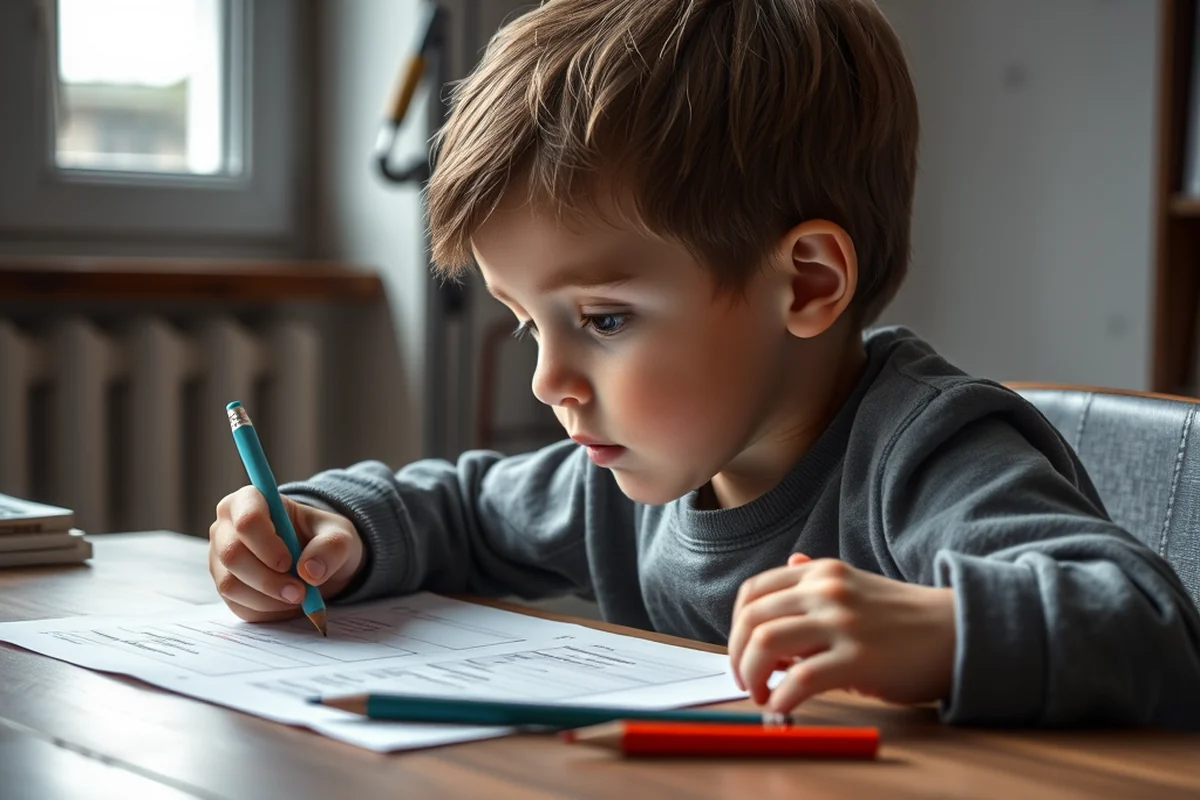
When I first started using goal setting theory with my students, I was surprised by how quickly they began to take ownership of their learning. One of my students, who had always struggled with reading, set a goal to read five books over the course of a month. He tracked his progress daily and even read to his classmates. It was a transformation — he went from being a reluctant reader to a proud bookworm.
Kids are naturally curious and motivated when they see a path to success. Goal setting theory helps them break down big goals into small steps, which makes even the most challenging tasks feel manageable. It's not about skipping the hard parts — it's about learning how to face them.
One of the most powerful aspects of goal setting theory is that it helps kids develop resilience. When they fail to meet a goal, they learn that it's not the end of the road — it's a chance to adjust and try again. This mindset has helped my students tackle everything from math problems to science experiments with more confidence.
Goal setting is the bridge between where you are and where you want to be.
Related: Top Student Goal Setting Strategies
Related: Affordable goal setting is important in teaching because
Making Goals Personal and Meaningful
I've found that when kids set goals that are connected to their passions, they're more likely to stick with them. For example, I once had a student who loved dinosaurs. We set a goal for her to read five dinosaur books and write a short report on each one. She completed the goal in two weeks — and she was excited about every step of the way.
Making goals personal helps kids see the relevance of what they're learning. When they understand why a goal matters, they're more motivated to achieve it. I've seen this in my classroom — students who set goals related to their interests are more focused and engaged.
The key is to help kids connect their goals to their values. When they set a goal to learn a new skill, they should be able to answer, 'Why does this matter to me?' This is where goal setting theory becomes more than a tool — it becomes a way of thinking.
Encourage kids to explain why their goal is important to them. This helps them connect to the purpose behind the goal, making it more meaningful.
“I remember the first time I watched my daughter set a goal to read a book in a week.”— Teaching Goal Setting to Kids editors
Related: Teaching Kids Goal Setting Benefits
Related: Cheap goal setting in teaching
Using Visual Tools to Track Progress

Visual tools are a game-changer with goal setting theory. I've used everything from colorful charts to digital apps to help kids track their progress. One of the most popular tools I've used is a 'goal tracker' — a simple chart that shows how many steps a child has completed toward their goal.
When I introduced a goal tracker to my students, I noticed a marked increase in engagement. Kids were excited to see their names on the chart and to check off each step as they completed it. It made the abstract concept of progress tangible and fun.
Visual tools also help kids stay motivated. I've seen students who were on the verge of giving up suddenly get excited again when they saw their progress on a chart. It's a powerful reminder that every small step counts.
Related: Teaching Goal Setting To Kids At Home
Celebrating Small Wins Along the Way
I've made it a point to celebrate every small win when using goal setting theory. Whether it's a sticker for completing a task or a shout-out in class, these celebrations make a big difference. One of my students, who was struggling with math, started to take pride in her progress after I celebrated each small goal she met.
Celebrating progress is about more than just rewards — it's about building confidence. When kids see that their efforts are being recognized, they're more likely to keep going. I've noticed that even the most reluctant learners begin to take ownership of their goals when they're celebrated.
Small celebrations also help kids stay focused on the process, not just the end result. In my classroom, I make it a point to acknowledge every step forward — whether it's completing a reading goal or mastering a new math concept.
Adapting Goal Setting Theory for Different Ages
When I started using goal setting theory with younger children, I had to adjust the way I presented the goals. For kids under 6, I used simple checklists and visual charts. For older kids, I introduced more complex goals that involved planning and reflection.
Adapting goal setting theory for different ages is about meeting students where they are. For example, with younger children, I use stickers and colorful charts, while with older students, I introduce goal-setting journals and reflection prompts.
I've also found that it's important to involve parents in the process. When parents help their children set and track goals, they reinforce the learning that happens in the classroom. It's a powerful partnership that helps kids stay on track.
Goal setting theory works best when it's tailored to the child's age and learning style.
The Long-Term Benefits of Goal Setting Theory
One of the most surprising things I've noticed about goal setting theory is how it helps kids develop long-term skills. I've seen students who used goal setting theory in elementary school carry those habits into high school and even college. It's not just about completing a task — it's about learning how to plan, execute, and reflect.
Goal setting theory also helps kids learn how to deal with setbacks. When they fail to meet a goal, they're more likely to see it as a learning opportunity rather than a failure. I've watched students who used goal setting theory become more resilient and confident over time.
The long-term benefits of goal setting theory are undeniable. It helps kids take ownership of their learning, stay motivated, and develop the skills they need to succeed in life. It's a tool that doesn't just help with school — it helps with everything.
🧩 Younger Kids Version
Use visual charts, stickers, and simple checklists to help preschoolers and kindergarteners set and track small goals.
📚 Older Kids Version
Introduce goal-setting journals, reflection prompts, and more complex tasks for students in middle and high school.
📌 No-Prep Version
Use sticky notes, whiteboards, and verbal check-ins to help kids set and track goals without any advance preparation.
👥 Group Version
Use group charts, team goals, and collaborative reflection to help kids set and achieve goals together.
🚀 Extension Version
Introduce advanced goal-setting strategies, such as SMART goals and long-term planning, for more advanced learners.
| The mistake | Why it happens | The fix |
|---|---|---|
| Setting unrealistic goals | Unrealistic goals can lead to frustration and a lack of motivation. If a child sets a goal that's too hard or too vague, they may give up before they even start. | Help the child set goals that are specific, achievable, and aligned with their interests and abilities. |
| Not providing enough support | If a child doesn't have the right tools or encouragement, they may struggle to reach their goals. Without support, they may feel overwhelmed or discouraged. | Offer guidance, check-ins, and resources to help the child succeed. Celebrate progress and be available for reflection and adjustment. |
| Focusing only on the end result | When children focus only on the final outcome, they may miss the value of the process and the skills they're learning along the way. | Encourage reflection on the journey, not just the goal. Help the child see the value of each step they take. |
| Ignoring the child's interests | When goals are disconnected from a child's interests or values, they may feel forced or uninterested in achieving them. | Help the child choose goals that are meaningful to them. Encourage them to set goals that align with their passions and strengths. |
Goal Setting Theory
Common Questions
How can I help my child set a goal?
What if my child doesn't meet their goal?
Can goal setting theory be used at school?
How often should my child review their goals?
Cite this guide
Teaching Goal Setting to Kids (2026). Goal Setting Theory. https://playandachieve.com/goal-setting-theory/
Feel free to cite or share this guide.
References
- The development of goal setting theory: A half century retrospective (academia.edu)
- Guidance on SMART Goal Setting (bizweb.uoregon.edu)
- Locke Down With Your Goals – Baruch Psychology Club (blogs.baruch.cuny.edu)
- Perceived Barriers to Self-Management and Preventive Behaviors (cancercontrol.cancer.gov)