
Sustainable Development Goals
📖 Table of Contents
- What Are the Sustainable Development Goals?
- How to Teach the SDGs in the Classroom
- Integrating the SDGs into the Curriculum
- The Benefits of Teaching the SDGs
- How to Measure the Impact of Teaching the SDGs
- Challenges in Teaching the SDGs
- How to Get Support for Teaching the SDGs
- Make It Your Way
- Frequently Asked Questions
I remember the first time I saw the Sustainable Development Goals (SDGs) in my classroom. It wasn’t just a list of 17 goals; it was a window into a world of possibility. As a teacher, I felt a shift in my approach to education—no longer just about filling minds with facts, but about planting seeds of change. The SDGs are more than a global agenda; they are a roadmap for how we can teach kids to think critically, act compassionately, and shape a better future.[1]
Integrating the SDGs into education isn’t just about ticking a box on a curriculum checklist. It’s about creating a culture of responsibility and global citizenship. I’ve seen students as young as eight begin to understand the power they hold in making a difference. The SDGs challenge us to think beyond the classroom, connecting learning to real-world problems and solutions. It’s about turning theory into action, and that’s where the real magic happens.
One of the most rewarding parts of teaching the SDGs is witnessing the spark in students’ eyes as they realize their learning has meaning beyond exams and grades. I’ve watched kids design projects to reduce waste in their community, write letters to local leaders about education access, and even start small fundraisers for clean water initiatives. The SDGs don’t just teach students about the world—they teach them how to change it.
Why You'll Love This Approach to Teaching the SDGs
- Encourages critical thinking and global awareness from an early age.
- Provides a framework for meaningful, action-oriented learning.
- Empowers students to see themselves as agents of change.
- Aligns classroom learning with real-world impact and responsibility.
What Are the Sustainable Development Goals?
As of September 2026, the Sustainable Development Goals (SDGs) are a set of 17 global goals created to end poverty, protect the planet, and ensure peace and prosperity for all by 2030. They were adopted by all United Nations member states in 2015 as a universal call to action. Each goal is a specific target, ranging from ending hunger to promoting peaceful and inclusive societies. In my classroom, I use these goals to show students that their learning is connected to the real world and that they can contribute to global challenges.[2]
The SDGs are designed to be a blueprint for a better future, with each goal addressing a different aspect of global development. They are relevant to every country and every individual, whether in a developed or developing nation. I’ve found that teaching these goals helps students understand that problems like climate change, inequality, and lack of access to education are not distant issues—they affect people everywhere, including their own communities.
Incorporating the SDGs into education helps students see learning as a tool for change. When I introduced the goals to my students, I saw a shift in their perspective. They began to think about how they could take action in their own lives, whether by conserving resources, supporting local initiatives, or advocating for social justice. The SDGs offer a powerful framework for teaching students to be informed, engaged, and active members of society.
Introduce one SDG at a time to avoid overwhelming students. Focus on a goal that resonates with their current experiences, like education or clean water.
Part of our Teaching goals for students guide.
How to Teach the SDGs in the Classroom
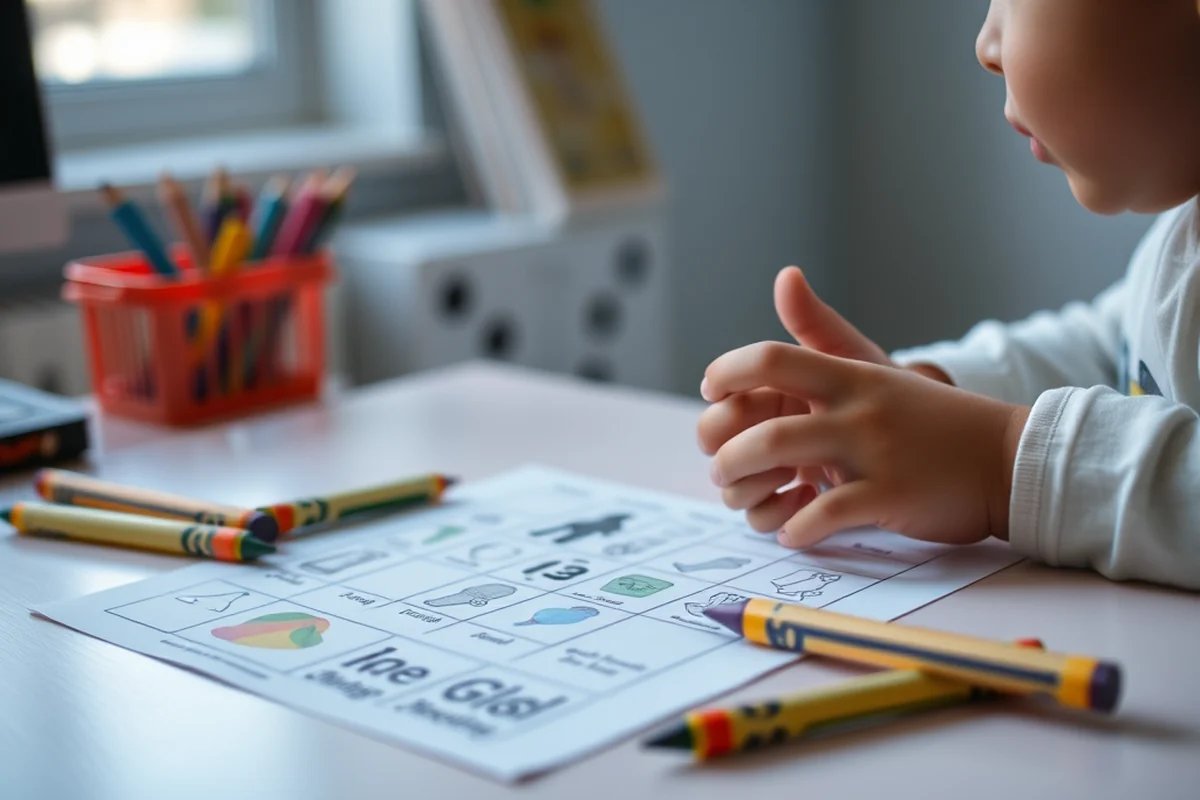
Teaching the SDGs in the classroom involves using real-life examples, interactive activities, and encouraging students to take action in their communities. I’ve found that hands-on projects, such as organizing a school clean-up or researching local issues, help students understand the practical applications of the goals. It’s important to create a space where students feel their voices matter and that they can contribute to global challenges.
One of the most effective ways I’ve used to teach the SDGs is through project-based learning. For example, I once had a class project where students researched the goal of 'Quality Education' and presented ideas on how to improve access to education in their town. They created posters, wrote letters to local leaders, and even planned a fundraiser to support a nearby school. This approach not only deepened their understanding of the goals but also empowered them to take action.
Encouraging student-led initiatives is key to making the SDGs relevant. When students lead projects, they take ownership of their learning and are more likely to be engaged. I’ve had students design campaigns for reducing food waste, create art to raise awareness about climate change, and organize book drives to support communities in need. These experiences not only reinforce the SDGs but also build important life skills like leadership, collaboration, and problem-solving.
When students lead, they learn.
Related: Teaching goals for students vs
Integrating the SDGs into the Curriculum
Integrating the SDGs into the curriculum can be done by aligning them with existing subjects and using cross-curricular projects. I’ve found that connecting the goals to subjects like science, social studies, and language arts makes the learning more meaningful. For example, a science lesson on ecosystems can be tied to SDG 13 (Climate Action), while a social studies unit on global issues can explore SDG 1 (No Poverty) and SDG 5 (Gender Equality).[3]
Cross-curricular projects help students see the connections between different subjects and how they all relate to the SDGs. In my classroom, I often create interdisciplinary units where students research a specific SDG, create presentations, and design solutions. This approach not only reinforces academic skills but also fosters creativity and critical thinking. I’ve seen students develop innovative ideas, like creating mobile apps to track water usage or designing school gardens to promote food security.[4]
By aligning the SDGs with the curriculum, we create a learning environment that is both academically rigorous and socially impactful. Students learn that their education has real-world applications and that they can use their knowledge to make a difference. This integration also helps teachers connect their lesson plans to global challenges, making learning more relevant and engaging for students.
Relate the SDGs to your students' lives by discussing local examples and issues. This helps them see the importance of the goals and how they can take action in their own communities.
“I remember the first time I saw the Sustainable Development Goals (SDGs) in my classroom.”— Teaching Goal Setting to Kids editors
Related: Teaching learning goals vs
The Benefits of Teaching the SDGs

Teaching the SDGs helps students develop critical thinking, empathy, and a sense of global responsibility. I’ve noticed that students who engage with the SDGs are more aware of social and environmental issues and are more likely to take action in their communities. They learn to think critically about global challenges and consider different perspectives in finding solutions.
Empathy is another key benefit of teaching the SDGs. When students learn about issues like poverty, climate change, and inequality, they develop a deeper understanding of the challenges people face around the world. This fosters compassion and a sense of solidarity. I’ve seen students who were once indifferent to global issues become passionate advocates for change after discussing the SDGs in class.
A strong sense of global responsibility is also developed through teaching the SDGs. Students learn that they are part of a larger world and that their actions can have an impact. This helps them become informed, engaged, and responsible citizens who are committed to creating a better future for all.
Related: Teaching goals vs
How to Measure the Impact of Teaching the SDGs
Measuring the impact of teaching the SDGs involves assessing student engagement, knowledge retention, and real-world actions taken. I’ve used a variety of methods to gauge how well students understand the goals and how they apply them in their lives. Surveys, quizzes, and student reflections are useful tools for evaluating knowledge retention and engagement.
Real-world actions taken by students are also important indicators of the impact of teaching the SDGs. I’ve tracked how many projects students have initiated, how much they’ve raised in fundraisers, and how many letters they’ve written to local leaders. These actions show that students are not just learning about the SDGs—they are applying them in meaningful ways.
I also encourage students to keep journals where they reflect on their learning and the actions they’ve taken. These reflections help me understand how they’re growing and what areas need more support. By measuring impact through both academic and real-world indicators, we can see the full scope of how the SDGs are shaping students’ lives.
Related: Teaching goals for students comparison
Challenges in Teaching the SDGs
Challenges in teaching the SDGs include time constraints, lack of resources, and the need for teacher training. Many teachers find it difficult to integrate the SDGs into their already packed curricula. I’ve had to work within tight time frames, which can make it hard to cover all aspects of the goals in depth. It’s important to find ways to incorporate the SDGs without overburdening teachers or students.
Lack of resources is another challenge I’ve faced. Not all schools have access to materials or technology that support SDG-related learning. I’ve had to be creative with what I have, using free online resources, books, and community partnerships to provide students with the information they need. It’s also important to seek out grants or funding opportunities that can support SDG-related projects.
Teacher training is a crucial aspect of successfully teaching the SDGs. Many teachers may not be familiar with the goals or how to incorporate them into their lessons. Professional development workshops, online courses, and mentorship programs can help teachers build the confidence and skills needed to teach the SDGs effectively.
Training is the bridge between knowledge and action.
Related: Teaching goals meaning vs
How to Get Support for Teaching the SDGs
Getting support for teaching the SDGs involves collaborating with schools, community organizations, and online resources. I’ve found that working with local schools and organizations has been invaluable in creating meaningful SDG-related projects. Partnering with community groups allows students to take action in their own neighborhoods and see the impact of their work firsthand.
Online resources are also a great way to find support for teaching the SDGs. There are many websites, lesson plans, and teaching guides that provide teachers with the tools they need to integrate the goals into their classrooms. I’ve used free resources from the United Nations and other educational platforms to supplement my teaching and keep my students engaged.
Professional development and networking with other teachers who are teaching the SDGs can also be a great source of support. I’ve joined online forums and attended workshops where teachers share their experiences, challenges, and successes. This collaboration helps build a community of educators who are committed to teaching the SDGs and making a difference in the world.
👶 Younger Kids (Ages 3-6)
Use picture books, songs, and simple activities like sorting recyclables to introduce the SDGs in a fun and engaging way.
👦 Older Kids (Ages 7-12)
Engage students with debates, research projects, and community-based initiatives that align with the SDGs.
📄 No-Prep Version
Use free online resources and discussion-based activities that require no materials and can be implemented quickly.
👥 Group Version
Organize group projects where students collaborate on SDG-related challenges, such as creating a school garden or organizing a fundraiser.
🚀 Extension Activity
Encourage students to take their learning beyond the classroom by starting a long-term project that addresses a local SDG issue.
| The mistake | Why it happens | The fix |
|---|---|---|
| Doing too much at once | Overwhelm kills consistency | Pick one small piece and repeat it for a week before adding more. |
| Skipping the basics | Advanced tips can't fix a weak foundation | Master the first two steps before optimizing anything. |
Sustainable Development Goals
Common Questions
How can I introduce the SDGs to very young children?
What are some real-world examples of students taking action on the SDGs?
How can I measure the impact of teaching the SDGs in my classroom?
Where can I find resources to help teach the SDGs?
References
- Sustainable Development Goals–78th Session of the UN General ... (2021-2025.state.gov)
- New Global Study Reveals Gains and Gaps on Path to Sustainable ... (canr.msu.edu)
- Sustainable Development Goals and the 2020 Round of Censuses (census.gov)
- Open Data & Sustainable Development Goals (SDGs) | Data.WA (data.wa.gov)
Cite this guide
Teaching Goal Setting to Kids (2026). Sustainable Development Goals. https://playandachieve.com/sustainable-development-goals/
Feel free to cite or share this guide.