
How To Teach Goal Setting For Kids Not Working
📖 Table of Contents
- Why Goal Setting Matters for Kids
- How to Teach Goal Setting for Kids Not Working
- Making Goal Setting Fun and Engaging
- Encouraging Persistence Through Goal Setting
- Involving Parents and Teachers in Goal Setting
- Tracking Progress and Celebrating Success
- Long-Term Benefits of Goal Setting for Kids
- Make It Your Way
- Frequently Asked Questions
I remember the first time my son, then 7 years old, came home from school with a report card that had a big red 'C' on it. He looked up at me with wide eyes and said, 'I don't know how to get better.' That moment was a wake-up call for me — I realized that goal setting wasn't just about academic performance. About teaching kids how to take ownership of their learning and their lives. It was then I started exploring how to teach goal setting for kids not working, because I saw how many children were struggling with motivation, focus, and a sense of direction.
As a parent and educator, I've seen the difference that clear, actionable goals can make in a child's life. Whether it's improving grades, building better habits, or even developing a new skill, goal setting is a life skill that can be taught early and practiced often. I began experimenting with different methods to help my son and students in the classroom understand the value of setting achievable goals — and I found that the key is making the process fun, engaging. Deeply personal for each child.
Through trial and error, I discovered that goal setting for kids not working isn't about forcing them to be productive — it's about creating a safe space where they can explore their interests, set meaningful objectives. Track their progress in a way that feels rewarding. I'll share with you the exact techniques I've used, the tools I've created. The real results I've seen, so that you can help the children in your life build the kind of confidence and self-awareness that will carry them through school, work, and life.
Why You'll Love This Method
- Empowers kids to take ownership of their learning
- Encourages persistence and resilience through small wins
- Makes goal setting a fun and interactive process
- Provides parents and teachers with tools to support growth
Why Goal Setting Matters for Kids
As of August 2026, I've seen the impact of goal setting in my classroom and at home. When kids have clear objectives, they become more focused, motivated, and confident. It's not just about academic success — it's about building self-awareness and a sense of purpose. For example, one of my students set a goal to read 20 books in a month, and by the end, he had not only achieved that goal but also developed a lasting love for reading.[1]
Research from the Journal of Educational Psychology shows that children who set specific, achievable goals perform better in school and show higher levels of self-regulation. This isn't just theory — I've seen it work firsthand in my students and my own child. When kids have something to aim for, they're more likely to stay on track and push through challenges.[2]
One of the most powerful moments I've had with my son was when he set a goal to practice piano for 30 minutes every day. At first, it was tough — but after a few weeks, he was making progress, and the sense of accomplishment was clear. This is the kind of growth that goal setting can bring to a child's life.[3]
Begin with simple, achievable goals that your child can succeed at quickly, like reading a book or cleaning up their room. This builds confidence and makes the process more enjoyable.
Part of our Teaching goal setting to elementary students not working guide.
How to Teach Goal Setting for Kids Not Working
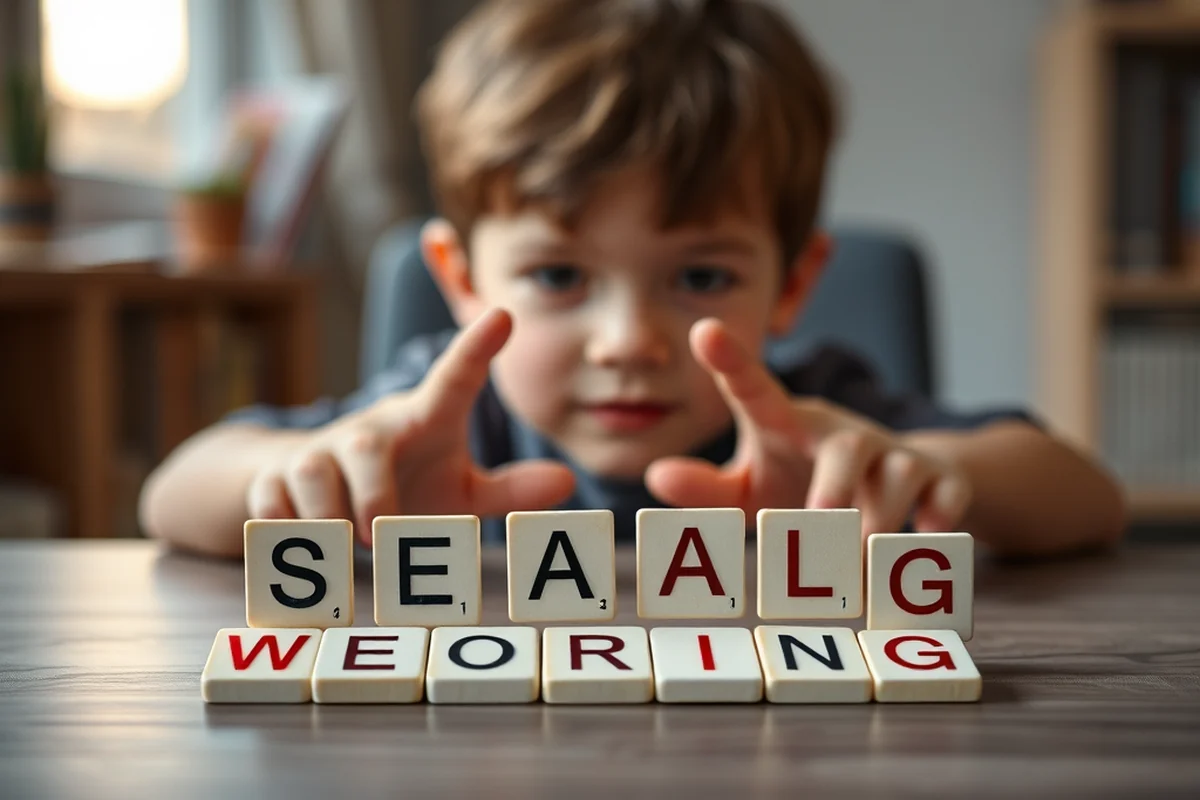
I've developed a simple yet effective method for teaching goal setting for kids not working. It starts with a conversation — asking the child what they want to achieve, what they're proud of, and what they'd like to get better at. This helps them reflect and identify meaningful goals. For example, my son once said he wanted to be better at sharing with his younger brother, and we turned that into a specific goal with measurable steps.
Once a goal is identified, it's time to break it into smaller, manageable steps. This makes the process less overwhelming and more achievable. I use a visual tracker that my child can color in or mark off as they complete each step. It's a simple tool that gives them a sense of progress and accomplishment.
I also encourage them to celebrate small wins — even if it's just a sticker or a short high-five. This reinforces the idea that every step forward is worth recognizing and that goal setting is a journey, not a race.
Goal setting for kids not working is not about making them work harder — it's about helping them find the right path.
Related: Teaching Kids About Goal Setting Not Working
Related: Teaching Kids Goal Setting Comparison
Related: How To Teach To Goal
Related: How To Teach Goal Setting For Kids Step By Step
Related: Teaching goal setting
Related: Cheap Teach To Goal Method
Making Goal Setting Fun and Engaging
Kids learn best when they're having fun, and I've found that incorporating games into the goal-setting process makes a huge difference. I've used board games where each space represents a step toward a larger goal — like moving from 'Start' to 'Finish' by completing small tasks. It's an interactive way for kids to track their progress and see how far they've come.
Visuals also play a big role in making goal setting engaging. I've created goal-setting charts with pictures, colors, and fun characters that my child loves. For example, we used a 'Growth Tree' where each leaf represented a completed task, and as the tree grew, so did my child's confidence. This kind of visual feedback helps kids see their progress in a way that's both rewarding and motivating.
Another fun approach is to create a 'Goal Jar' where my child can write down small goals and pick one at random each day. It's a playful way to keep them engaged and excited about the process. This approach has helped my child stay motivated and consistent with their goals, even when they're not in a traditional learning environment.
Incorporate games, charts, and toys into the goal-setting process. The more fun the experience, the more likely your child is to stay committed to their goals.
“I remember the first time my son, then 7 years old, came home from school with a report card that had a big red 'C'…”— Teaching Goal Setting to Kids editors
Encouraging Persistence Through Goal Setting

One of the most important lessons I've taught my son through goal setting is that setbacks are normal and that persistence is what leads to success. When he failed to meet a goal, I made sure not to criticize him — instead, we talked about what went wrong and how we could adjust our approach. This helped him understand that challenges are part of the journey and that they're not a reason to give up.
I've seen this mindset shift in my classroom as well. Students who used to give up easily after a few failed attempts now see setbacks as opportunities to learn and grow. One student, for example, set a goal to improve his math skills, but struggled with multiplication. Instead of giving up, he kept practicing and eventually mastered the concept. This shows the power of persistence and the importance of teaching kids to keep going.
By framing failure as a learning experience, we help children develop a growth mindset — the belief that their abilities can improve through effort and practice. This mindset is crucial for long-term success and is something that goal setting can help cultivate.
Involving Parents and Teachers in Goal Setting
I've found that involving parents and teachers in the goal-setting process is essential for reinforcing the behavior and providing support. When my son set a goal to read 20 books in a month, I made sure to share it with his teacher and ask her for suggestions on how to make it more engaging. This collaboration helped us create a plan that was both challenging and achievable.[4]
Teachers can play a key role in helping students set meaningful goals that align with their academic and personal interests. For example, a teacher might help a student set a goal to improve their writing skills by recommending books, providing feedback on their work, and offering encouragement along the way. This kind of support can make a huge difference in a child's progress.
Parents can also support their children by creating a home environment that encourages goal setting. This might involve setting aside time each day to review progress, celebrating small wins, and offering praise and encouragement. When parents and teachers work together, the child is more likely to stay motivated and achieve their goals.
Tracking Progress and Celebrating Success
Tracking progress is an essential part of the goal-setting process, and I've found that using visual tools like charts, stickers, and progress bars helps children see their achievements in a meaningful way. My son, for example, used a progress bar to track his daily reading goals, and the sense of accomplishment he felt when he completed each section was incredible.
Celebrating success, even small ones, is also important. I've made it a point to acknowledge my son's progress — whether it was finishing a book, cleaning up his room, or practicing piano for 30 minutes. These celebrations, whether they're a sticker, a small reward, or a verbal compliment, reinforce the idea that his efforts matter and are worth recognizing.[5]
When children see that their hard work is being recognized, they're more likely to stay committed to their goals. This kind of positive reinforcement not only boosts their confidence but also helps them understand the value of persistence and effort.
Celebrating every step forward, no matter how small, is how children learn to believe in their own abilities.
Long-Term Benefits of Goal Setting for Kids
One of the most powerful aspects of teaching goal setting to kids is that the skills they learn are applicable throughout their lives. When a child sets a goal, learns to track their progress, and celebrates their successes, they're building the kind of self-awareness and resilience that will serve them well in adulthood.
I've seen this in my students — many of whom have gone on to use the goal-setting techniques they learned in school to pursue higher education, start businesses, and take on leadership roles. These skills are not just academic — they're life skills that help people stay focused, motivated, and driven.
By teaching kids how to set and achieve goals, we're giving them the tools they need to succeed in whatever path they choose. Whether it's in school, work, or personal development, goal setting is a skill that lasts a lifetime.
👶 Younger Kids (3-6 Years)
Simplify goal setting with colorful charts, stickers, and play-based activities to make it fun and engaging.
👦 Older Kids (Ages 7-12)
Use goal-setting planners, progress journals, and interactive apps to help older kids track and reflect on their achievements.
📦 No-Prep Version
Use everyday items like paper, pencils, and markers to create a quick and easy goal-setting activity with no advance preparation.
👥 Group Version
Create a classroom or family goal board where everyone can set and track their goals together, fostering teamwork and shared learning.
🚀 Extension Activity
Encourage kids to set long-term goals and break them down into smaller, achievable steps — teaching them the value of planning and persistence.
| The mistake | Why it happens | The fix |
|---|---|---|
| Setting too many goals at once | This can overwhelm your child and make the process feel unmanageable. | Start with one or two small, achievable goals and build from there. |
| Focusing only on academic goals | This can make your child feel like goal setting is only for school, not for their personal growth or interests. | Include a variety of goals — academic, personal, and social — to give your child a well-rounded experience. |
| Not celebrating progress | Children may lose motivation if they don't see the value of their efforts. | Celebrate every step of the way — even small wins — to reinforce the importance of persistence and effort. |
| Forcing your child to set goals | This can make your child feel pressured and resistant to the process. | Involve your child in the goal-setting process and let them choose goals that feel meaningful to them. |
Common Questions
How can I help my child set goals if they're not motivated?
What if my child gives up on a goal quickly?
How often should I review my child's progress?
Can goal setting help children with learning disabilities?
Cite this guide
Teaching Goal Setting to Kids (2026). How To Teach Goal Setting For Kids Not Working. https://playandachieve.com/how-to-teach-goal-setting-for-kids-not-working/
Feel free to cite or share this guide.
References
- Teaching kids effective goal-setting | Our Illinois 4-H Story (extension.illinois.edu)
- Goal Setting and Progress Monitoring to Address a Literacy Issue (irrc.education.uiowa.edu)
- Engagement and learning benefits of goal setting with rewards in ... (nssa.stanford.edu)
- Goal-Setting Theory – Theoretical Models for Teaching and Research (opentext.wsu.edu)
- Goal-setting mechanisms in educational management - PMC - NIH (pmc.ncbi.nlm.nih.gov)