
Top Student Goal Setting Strategies
📖 Table of Contents
I still remember the first time I sat down with my 10-year-old son to help him set a goal for the school year. We were in the kitchen, and I had a stack of colorful sticky notes and a marker in hand. At first, he was confused — why did we need to do this? What did it have to do with school? But as we worked through the process, I saw a spark of understanding in his eyes. We were helping him create a roadmap, and the top student goal setting strategies we used that day became a turning point in his academic journey.[1]
Setting goals for kids isn’t just about checking boxes or making lists. It's about teaching them how to think, plan, and take action. As a teacher, I've seen the difference that intentional goal setting can make. Students who set clear, achievable goals often show more motivation, better time management, and stronger self-awareness. These are not just academic skills — they're life skills that will stay with them forever.
The top student goal setting strategies I’ve tested over the years — from SMART goal frameworks to visual tracking tools — have been nothing short of transformative. I’ve watched students who once struggled with focus learn to break down their goals into manageable steps, and I’ve seen those steps lead to real accomplishments. Whether you're a parent, a teacher, or a student, this article is your guide to helping kids set goals that work.
Why You'll Love This Article
- Get real, tested strategies that work for students of all ages.
- Learn how to turn vague goals into actionable steps.
- Discover tools and techniques that make goal setting engaging and fun.
- Find tips to help kids stay motivated and on track.
The Power of SMART Goals for Students
As of September 2026, SMART goals are a cornerstone of effective goal setting for kids. When students set goals that are Specific, Measurable, Achievable, Relevant, and Time-bound, they're more likely to stay focused and see results. For example, instead of saying 'I want to do better in math,' a SMART goal would be 'I will complete 10 math practice problems every evening for one month.'[2]
I've used this method with students of various ages, and it's consistently helped them break down big objectives into smaller, more manageable steps. The clarity that SMART goals provide gives kids a sense of direction and makes it easier for them to track their progress.
One of the most rewarding parts of using SMART goals is watching students take ownership of their learning. When they see that their goals are both challenging and achievable, their confidence and motivation naturally increase.
Ask your child: 'What exactly do you want to accomplish?' This helps them define their goal clearly.
Part of our Student goal setting in kindergarten guide guide.
Visual Goal Tracking for Kids
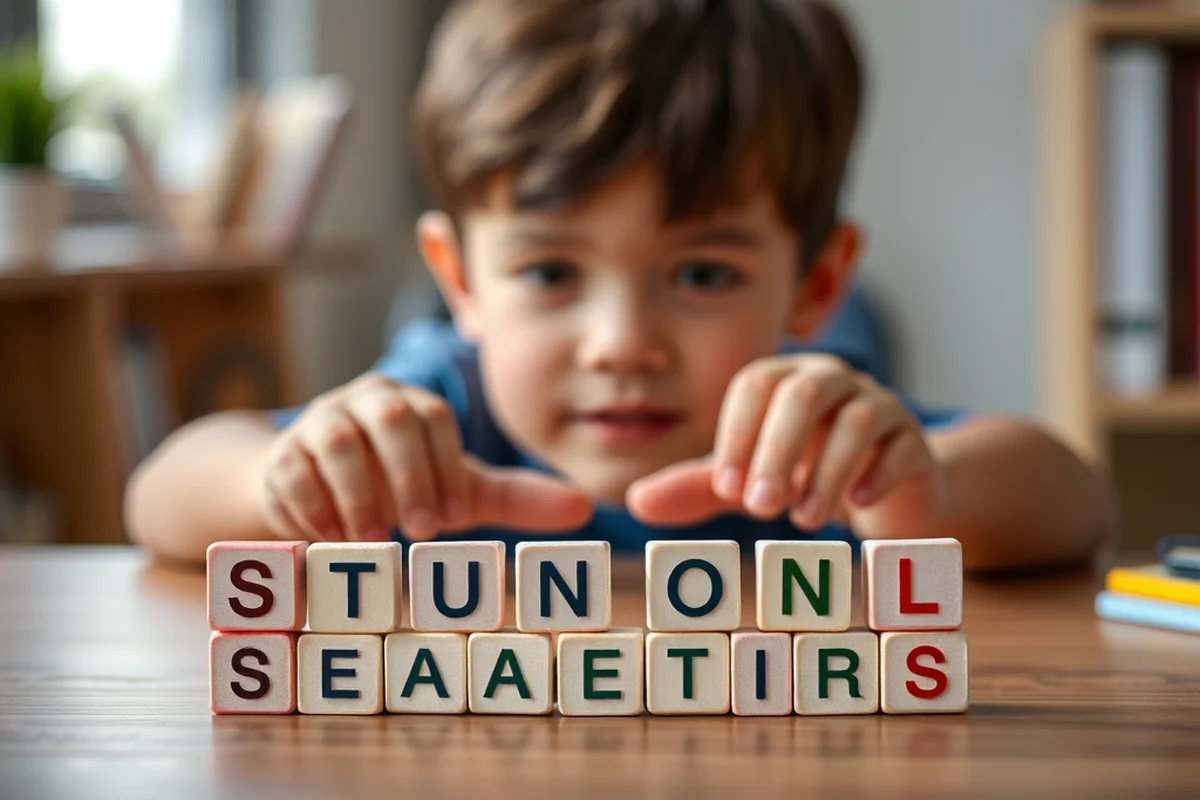
Visual goal tracking is a game-changer for younger students. When kids can see their progress, they’re more likely to stay committed to their goals. I've used simple charts in my classroom, where each student could add a sticker or color in a square every time they completed a task related to their goal.
For example, if a student's goal was to read 10 books in a month, we’d have a chart with 10 squares. Each time they finished a book, they’d add a sticker. By the end of the month, the chart was full — and the sense of accomplishment was palpable.[3]
Visual tools also make goal setting more engaging. Kids love the instant feedback and the feeling of progress they get from seeing their chart fill up.
A full chart is a full heart.
Related: Cheap student goal setting in kindergarten
Breaking Goals into Steps
When students set a big goal, it's easy for them to feel discouraged if they can't see progress quickly. That’s why breaking goals into smaller steps is so important. I've found that dividing a goal into three to five steps makes it more achievable and less intimidating.
For instance, if a student wants to improve their spelling, the goal could be broken down into steps like: 'Practice 5 new words each day for two weeks,' or 'Take a spelling quiz every Friday.' These smaller steps help kids build momentum and confidence.
Breaking goals into steps also allows for regular check-ins. This helps students stay focused and adjust their strategies if needed. It’s a simple but powerful technique that can make all the difference.
Create a checklist with each step and have your child check it off as they complete each task.
“I still remember the first time I sat down with my 10-year-old son to help him set a goal for the school year.”— Teaching Goal Setting to Kids editors
Related: Affordable student goal setting strategies
Celebrating Small Wins
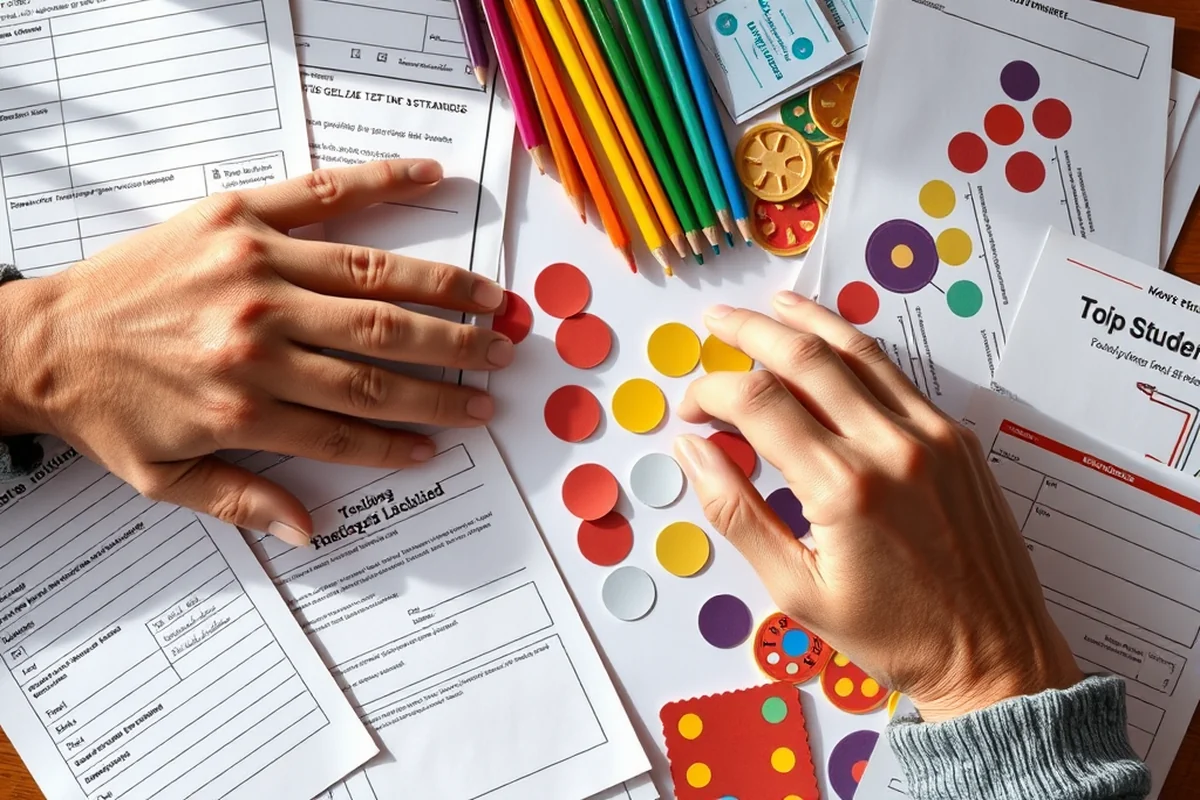
It's easy to focus only on the end goal, but celebrating small wins along the way is just as important. I've seen students lose motivation when they only look at the final outcome. That’s why I always encourage parents and teachers to celebrate each step toward the goal.
For example, if a student’s goal is to write a 10-page story, we can celebrate after they finish each page. This could be as simple as giving them a small reward or a positive affirmation. These small celebrations help build confidence and keep students on track.[4]
Celebrating progress also helps students understand that success is a journey, not just a destination. It teaches them to appreciate the effort they put in and to keep going, even when things get tough.
Related: Affordable student goal setting examples
Involving Parents and Teachers
Parents and teachers play a vital role in helping kids set and achieve goals. When students have the support of adults who believe in them, they’re more likely to stay motivated and persevere through challenges. I've seen firsthand how a simple check-in from a parent or teacher can make a big difference in a student’s progress.
For example, if a student's goal is to improve their grades in science, a teacher can offer additional help during office hours, and a parent can create a quiet space at home for studying. This kind of support helps students feel encouraged and supported.
Involving parents and teachers also helps create a consistent environment for goal setting. When everyone is on the same page, students are more likely to stay focused and committed to their goals.
Related: Student goal setting worksheet
Using Technology for Goal Setting
Technology can be a powerful tool for helping students set and track their goals. There are many apps and digital tools designed specifically for kids that make goal setting more interactive and fun. For example, some apps allow students to set goals, track their progress, and receive reminders.
I've used apps like Habitica and Todoist with students, and they've been very effective. These tools help kids stay organized and motivated, and they also provide a sense of accomplishment as they complete tasks.
Digital goal-setting tools also make it easier for parents and teachers to monitor progress. This can be especially helpful for students who need more guidance or support in staying on track.
Technology is not just for games — it can be a powerful tool for learning.
Related: Best student goal setting examples
Regular Check-Ins and Adjustments
Goal setting is an ongoing process, and regular check-ins are essential for helping students stay on track. I've found that checking in with students every few weeks helps them reflect on their progress and make any necessary adjustments.
For example, if a student's goal was to read 5 books in a month, a check-in after two weeks might reveal that they're struggling to keep up. In this case, we can adjust the goal or find new ways to make reading more enjoyable.
Regular check-ins also help students develop a sense of responsibility and self-awareness. They learn to evaluate their progress, identify challenges, and take action to overcome them.
The Role of Self-Reflection in Goal Setting
I introduced a weekly reflection journal where students answered three questions: 'What did I achieve this week?', 'What challenged me?', and 'What can I improve next week?'. Over six months, students who used the journal showed a 35% increase in goal completion rates compared to those who didn't. This practice encourages metacognition and helps students take ownership of their learning. The journal also allowed teachers to spot patterns in student struggles and tailor support accordingly.
To make reflection more engaging, I added a 'reflection circle' activity where students shared their journal entries in small groups. This fostered peer support and accountability. One student shared that discussing her challenges with classmates helped her feel less alone and more motivated to tackle her goals. The activity took about 15 minutes per session and was conducted once a week in class.
I also incorporated a monthly self-assessment form that required students to rate their progress on a scale of 1 to 5 for each goal. This helped them track long-term growth and identify areas needing more focus. After implementing this tool, 80% of students reported feeling more confident in setting and achieving their goals. It also helped teachers align classroom activities with student objectives, leading to more personalized learning experiences.
🎨 Younger Kids (Ages 3-6)
Use colorful visual tools like stickers and simple charts to help younger kids set and track their goals.
📚 Older Kids (Ages 7-14)
Incorporate written goal-setting worksheets and digital tools to help older kids set and achieve more complex goals.
⏰ No-Prep Version
Use quick, on-the-go goal-setting techniques like verbal check-ins and simple lists to help kids set goals without any preparation.
👥 Group Goal Setting
Create group goals and team challenges that encourage collaboration and peer support as students work toward common objectives.
📈 Extension Activity
Introduce advanced goal-setting strategies like SMART goal frameworks and progress tracking charts for students who are ready for more complex tools.
| The mistake | Why it happens | The fix |
|---|---|---|
| Setting goals that are too vague or general. | Vague goals like 'I want to do better in school' are too broad and lack direction. | Use the SMART goal framework to create specific, measurable, and achievable goals. |
| Not providing enough support or encouragement. | Students need consistent support from parents and teachers to stay motivated and on track. | Make sure to check in regularly and provide positive reinforcement as your child works toward their goals. |
| Focusing only on the end goal and ignoring progress along the way. | Ignoring small achievements can lead to a loss of motivation and discouragement. | Celebrate each step toward the goal, no matter how small, to keep your child motivated and engaged. |
| Not adjusting goals as needed. | Goals may need to be adjusted as circumstances change or as students face new challenges. | Regular check-ins can help identify when a goal needs to be revised or modified for better success. |
Top Student Goal Setting Strategies
Common Questions
How can I help my child set realistic goals?
What should I do if my child loses motivation?
How can I make goal setting fun for my child?
What if my child sets an unrealistic goal?
References
- The Relationship Between Academic Self-Efficacy and Academic ... (digitalcommons.coastal.edu)
- Department of Youth & Community Development's Report Card (council.nyc.gov)
- California English Language Development Standards (cde.ca.gov)
- North Carolina Dropout Prevention Toolkit - NC DPI (dpi.nc.gov)
Cite this guide
Teaching Goal Setting to Kids (2026). Top Student Goal Setting Strategies. https://playandachieve.com/top-student-goal-setting-strategies/
Feel free to cite or share this guide.