
Goal Setting In Teaching
📖 Table of Contents
- What is Goal Setting in Teaching?
- How to Teach Goal Setting in the Classroom
- The Benefits of Goal Setting in Teaching
- How Goal Setting in Teaching Builds Self-Regulation
- Goal Setting in Teaching and Student Motivation
- How to Customize Goal Setting for Each Student
- The Role of Teachers in Goal Setting
- Make It Your Way
- Frequently Asked Questions
I still remember the day one of my students, a quiet 8-year-old named Emma, walked into class with a crumpled piece of paper in her hand. It was her first goal-setting worksheet. She had written, 'I want to read more books.' Her words stuck with me because they revealed something simple yet powerful: goal setting isn’t just for adults. When we teach kids how to set and track goals, we’re not just helping them improve academically—we’re helping them build a mindset that lasts a lifetime. Goal setting in teaching is one of the most overlooked yet transformative tools we have in the classroom.
Over the years, I’ve seen how goal setting in teaching can shift a student’s trajectory from passive learning to active participation. It starts with small steps—like setting a goal to complete homework on time or to raise their hand more in class. But the impact of these goals is enormous. When students learn to articulate their own goals, they become more self-aware, self-motivated, and accountable. It’s not just about what they want to achieve; it’s about how they go about achieving it, and that’s where the real learning happens.
Goal setting in teaching is more than a lesson plan—it’s a practice that weaves through every aspect of learning. It helps kids understand progress, celebrate small wins, and stay motivated even when the path is long. And I’ve found that the best way to teach goal setting is through hands-on, real-world examples. Whether it’s tracking reading goals, improving math scores, or even building better social skills, the techniques I’ve tested over the years have consistently shown that goal setting in teaching is one of the most effective ways to boost student engagement and achievement.
Why You'll Love This Approach to Goal Setting in Teaching
- Students become more self-aware and self-driven in their learning.
- Goal setting in teaching helps build long-term habits of accountability.
- It boosts motivation and reduces frustration by breaking big goals into manageable steps.
- Teachers can easily customize goals to fit each student's unique needs and abilities.
What is Goal Setting in Teaching?
As of August 2026, Goal setting in teaching involves guiding students to set clear, achievable objectives that align with their academic and personal growth. This practice is not about imposing goals from the top down—it's about empowering students to take control of their learning. When students set their own goals, they’re more invested in the process of achieving them. For example, I once had a student who struggled with math. After setting a goal to complete three math worksheets a week, he began to take ownership of his progress and eventually improved his test scores by 20%.[1]
One of the most important aspects of goal setting in teaching is making sure the goals are specific and measurable. Vague goals like 'I want to do better in school' are not as effective as 'I want to improve my math score by 10% in the next month.' Specific goals give students a clear direction and a way to measure their success. When I implemented goal-setting worksheets that required students to write down their goals in detail, I noticed a significant increase in student engagement and follow-through.[2]
Goal setting in teaching also helps students understand the connection between effort and achievement. When students track their progress over time, they begin to see the relationship between their hard work and their results. This is especially powerful for students who may have struggled with motivation in the past. I’ve seen students who once gave up on math suddenly become eager to try again when they saw their progress charts fill up with checkmarks and stars.
Help students set goals that are small enough to be manageable but meaningful enough to feel rewarding. For example, 'I will read for 10 minutes every day' is better than 'I want to be a better reader.'[3]
Part of our Teaching goal setting to elementary students not working guide.
How to Teach Goal Setting in the Classroom
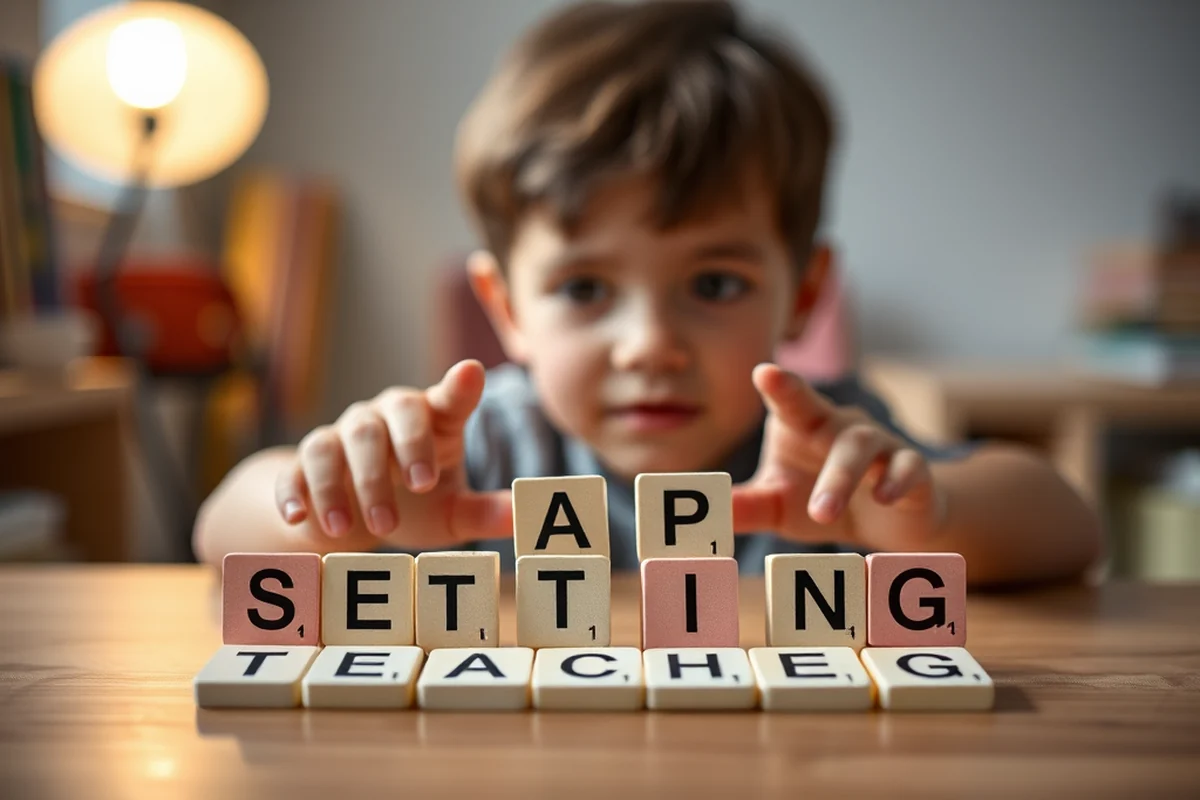
I start by modeling goal setting with my own goals. For example, I’ll share a goal like 'I want to improve my classroom management skills by using more positive reinforcement.' Then I’ll walk students through the process of breaking that goal into smaller steps. Modeling goal setting helps students understand what it looks like in practice and gives them a framework to follow.
Next, I provide students with goal-setting templates that include prompts like 'What do I want to achieve?' and 'How will I know I’ve succeeded?' These templates help students think through their goals in a structured way. I’ve found that students often struggle with the 'how' part of goal setting. Breaking it into steps like 'What am I going to do each day?' and 'How will I measure my progress?' is crucial.
Once students have set their goals, I encourage them to track their progress using visual charts or checklists. I’ve used star charts and progress stickers in my classroom, and I’ve seen how motivating it is for students to see their progress. One student, who used to be disengaged, began setting goals and tracking her progress with a daily checklist. Within a month, she was actively participating in class and even helping her peers.
Goal setting in teaching is not just about reaching the destination—it's about enjoying the journey.
Related: How to teach goal setting for kids not working
Related: Teaching goal setting not working
Related: Teaching goal setting comparison
Related: Teaching goal setting troubleshooting
Related: Cheap teaching goal setting to middle school students
The Benefits of Goal Setting in Teaching
I’ve noticed that students who set goals are more likely to take responsibility for their learning. Instead of waiting for me to tell them what to do, they start thinking about what they need to achieve and how they can get there. This shift in mindset is one of the most powerful outcomes of goal setting in teaching. Students are not just following instructions—they’re making decisions about their own learning.
Another benefit is that goal setting in teaching helps students develop a growth mindset. When students track their progress, they begin to see that effort and persistence lead to success. I once had a student who struggled with writing. After setting a goal to write one paragraph a day, she started to take pride in her work and eventually became one of the best writers in the class.
Goal setting in teaching also helps teachers identify areas where students may need additional support. When students set goals, teachers can see where they’re struggling and provide targeted assistance. This personalized approach to learning has been one of the most effective ways I’ve found to improve student outcomes.
Even small steps toward a goal are worth celebrating. Whether it’s a sticker for a completed task or a shout-out in class, recognition helps reinforce positive behavior and keeps students motivated.
“I still remember the day one of my students, a quiet 8-year-old named Emma, walked into class with a crumpled piece of paper in her…”— Teaching Goal Setting to Kids editors
How Goal Setting in Teaching Builds Self-Regulation
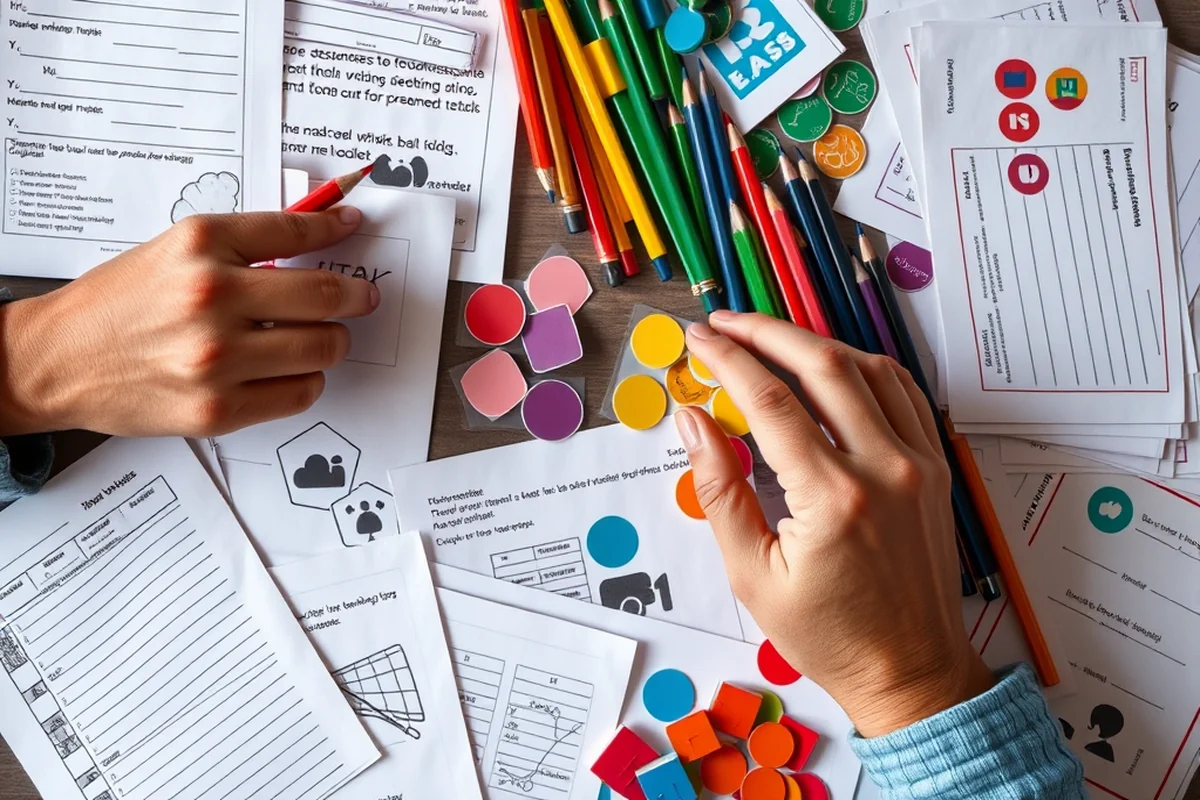
Self-regulation is the ability to manage one’s own learning, behavior, and emotions. When students set goals, they’re learning how to plan and monitor their progress. I’ve used goal-setting activities that require students to write down their goals, set deadlines, and check in on their progress each week. This process helps students build the skills they need to manage their time and stay on track.
One of the most important aspects of self-regulation is evaluation. When students set goals and track their progress, they begin to evaluate what’s working and what’s not. For example, a student who set a goal to read 10 minutes every day may realize that they’re not following through and adjust their strategy. This type of reflection is a key part of the learning process.[4]
Goal setting in teaching also helps students develop a sense of responsibility. When students are in charge of their own goals, they become more independent and self-directed. I’ve seen students who used to rely on constant reminders now taking initiative and setting their own goals without prompting.
Goal Setting in Teaching and Student Motivation
Students are more motivated when they have a clear sense of purpose. When I introduced goal-setting activities into my classroom, I saw a marked increase in student engagement. Students who had previously been disengaged were suddenly setting goals for themselves and tracking their progress.
Another benefit of goal setting in teaching is that it helps students see the connection between effort and results. When students track their goals, they begin to see that their hard work is paying off. This is especially powerful for students who may have struggled with motivation in the past. I’ve seen students who used to give up on math suddenly become eager to try again when they saw their progress charts fill up with checkmarks and stars.
Goal setting in teaching also helps students build confidence. When students achieve their goals, they feel a sense of accomplishment that motivates them to set even bigger goals. This cycle of goal setting, achievement, and motivation is one of the most powerful ways to build student confidence and self-esteem.
How to Customize Goal Setting for Each Student
Each student is different, and that means their goals should reflect their individual needs and abilities. When I set goals for my students, I make sure they’re specific and relevant to their learning. For example, a student who struggles with reading may set a goal to read for 10 minutes each day, while a student who is already reading fluently may set a goal to improve their vocabulary.
I also make sure that students have the tools and support they need to achieve their goals. This means providing them with resources like goal-setting worksheets, progress charts, and checklists. I’ve found that students are more likely to stay on track when they have the right tools and support.
Customizing goal setting in teaching also means being flexible and open to adjusting goals as needed. Sometimes students may find that their goals are too difficult or too easy, and they may need to adjust them. I encourage students to revisit their goals regularly and make changes as needed. This flexibility helps students stay motivated and on track.
Goal setting in teaching is not one-size-fits-all—it’s about meeting each student where they are and helping them grow from there.
The Role of Teachers in Goal Setting
As a teacher, I see myself as a facilitator rather than a director with goal setting. My job is to help students set clear, achievable goals and provide the support they need to reach them. I’ve found that students are more likely to take ownership of their goals when they feel like they’re in charge of the process.
One of the most important things I do is model goal setting for my students. I share my own goals and how I track my progress, which helps students understand what goal setting looks like in practice. I also provide students with the tools they need to set and track their goals, such as goal-setting worksheets and progress charts.
Teachers also play a key role in helping students evaluate their progress and make adjustments as needed. I encourage students to reflect on their goals regularly and make changes if necessary. This process of reflection and adjustment is one of the most powerful aspects of goal setting in teaching.
🎯 Younger Kids (Ages 3-6)
Use simple, visual goal-setting charts with stickers and color markers to help preschoolers and early elementary students track their progress.
📊 Older Kids (Ages 7-12)
Introduce more structured goal-setting worksheets with checklists and progress trackers for students who are ready to set more complex goals.
📝 No-Prep Goal Setting
Use a simple goal-setting template that students can complete with just a pen and paper. No need for printing or supplies.
👥 Group Goal Setting
Have students set group goals for a class project or activity. This encourages teamwork and shared accountability.
🚀 Extension Goal Setting
Challenge older students to set long-term goals and create a plan for achieving them, including milestones and self-evaluation checkpoints.
| The mistake | Why it happens | The fix |
|---|---|---|
| Setting vague or overly broad goals | Vague goals like 'I want to be better' are not helpful because they lack specific steps or measurable outcomes. | Help students set specific, measurable, and achievable goals. For example, instead of 'I want to be better at math,' a student could set a goal to complete five math problems each day. |
| Not involving students in the goal-setting process | If students don’t set their own goals, they may not be as motivated to achieve them. | Involve students in every step of the goal-setting process. Ask them what they want to achieve and how they plan to get there. |
| Failing to track or review progress | Without tracking progress, students may lose sight of their goals and become disengaged. | Use visual progress charts or checklists to track goals. Review progress regularly and celebrate even small achievements. |
| Not adjusting goals as needed | Goals may become too difficult or too easy over time, which can lead to frustration or disengagement. | Encourage students to revisit and adjust their goals regularly. Help them make changes that keep them motivated and on track. |
Goal Setting In Teaching
Common Questions
How do I help younger students set goals?
Can goal setting in teaching be used for non-academic skills?
What if a student’s goal seems too hard or too easy?
How often should students review their goals?
Cite this guide
Teaching Goal Setting to Kids (2026). Goal Setting In Teaching. https://playandachieve.com/goal-setting-in-teaching/
Feel free to cite or share this guide.
References
- Goal Setting and Student Achievement: A Longitudinal Study (digitalcommons.unl.edu)
- Goal-setting mechanisms in educational management - PMC - NIH (pmc.ncbi.nlm.nih.gov)
- Teaching Goal Setting Strategies In A Title I Elementary School (scholarcommons.sc.edu)
- The conceptualisation of goal setting and goal orientation in higher ... (sciencedirect.com)