
Education Goal Setting Alternatives
📖 Table of Contents
- Goal-Setting Through Storytelling
- Gamifying Goals With Points and Rewards
- Using Art to Visualize Goals
- Goal-Setting Through Music and Rhythm
- Incorporating Nature Into Goal-Setting
- Using Role Models to Inspire Goal-Setting
- Goal-Setting Through Journaling
- Using Peer Collaboration to Co-Create Goals
- Make It Your Way
- Frequently Asked Questions
I remember the first time I tried to set a goal with my son, a bright-eyed 7-year-old who had more energy than a toddler at a candy store. We sat down with a goal-setting worksheet, and he stared at it like it was a foreign language. 'This is boring,' he said. I realized then that traditional education goal setting methods weren't working for him — and maybe not for many kids like him. That’s why I started exploring education goal setting alternatives, and I want to share what I learned.
Education goal setting alternatives are not just about finding a different way to help kids stay on track — they’re about making the process fun, engaging, and meaningful. For many children, the standard approach — listing goals on a worksheet and checking them off — feels artificial and disconnected from their daily lives. I’ve seen this happen with my own kids and with students I’ve worked with over the years. It’s not about skipping goals, but about finding more effective and creative ways to help kids achieve them.
Through trial and error, I discovered that education goal setting alternatives can be as simple as turning a goal into a story or using a game to track progress. These methods are not just alternatives; they’re tools that can bring more joy and motivation into the learning process. In this article, I’ll walk you through seven unique approaches that I’ve personally tested, along with tips, stats. Real-life examples that will make the process of goal setting more meaningful for your child.
Why You'll Love This Approach to Education Goal Setting
- It’s more engaging and interactive for kids.
- It helps build intrinsic motivation and self-awareness.
- It makes goal-setting feel less like a chore and more like play.
- It gives you a variety of options to suit different learning styles.
Goal-Setting Through Storytelling
As of September 2026, when I asked my son what he wanted to be when he grew up, he replied, 'A superhero who helps people.' So, we created a story together where he was the main character. Each chapter represented a step toward becoming that superhero. We included specific actions like 'helping a friend' and 'cleaning up after playtime.'
This method made goal-setting feel like a journey with a clear beginning, middle, and end. We added illustrations and even a 'superhero badge' to reward each completed chapter. My son was excited to read the story each night and would even remind me when it was time for his 'superhero mission.'
Using storytelling transformed a task that felt dull into an adventure that my son looked forward to. It's an education goal setting alternative that taps into creativity and imagination, making the process more memorable and engaging for kids.
Take a beloved picture book and rewrite the story with your child’s goals. Each page can represent a step or action.
Part of our Education goal setting step by step guide.
Gamifying Goals With Points and Rewards
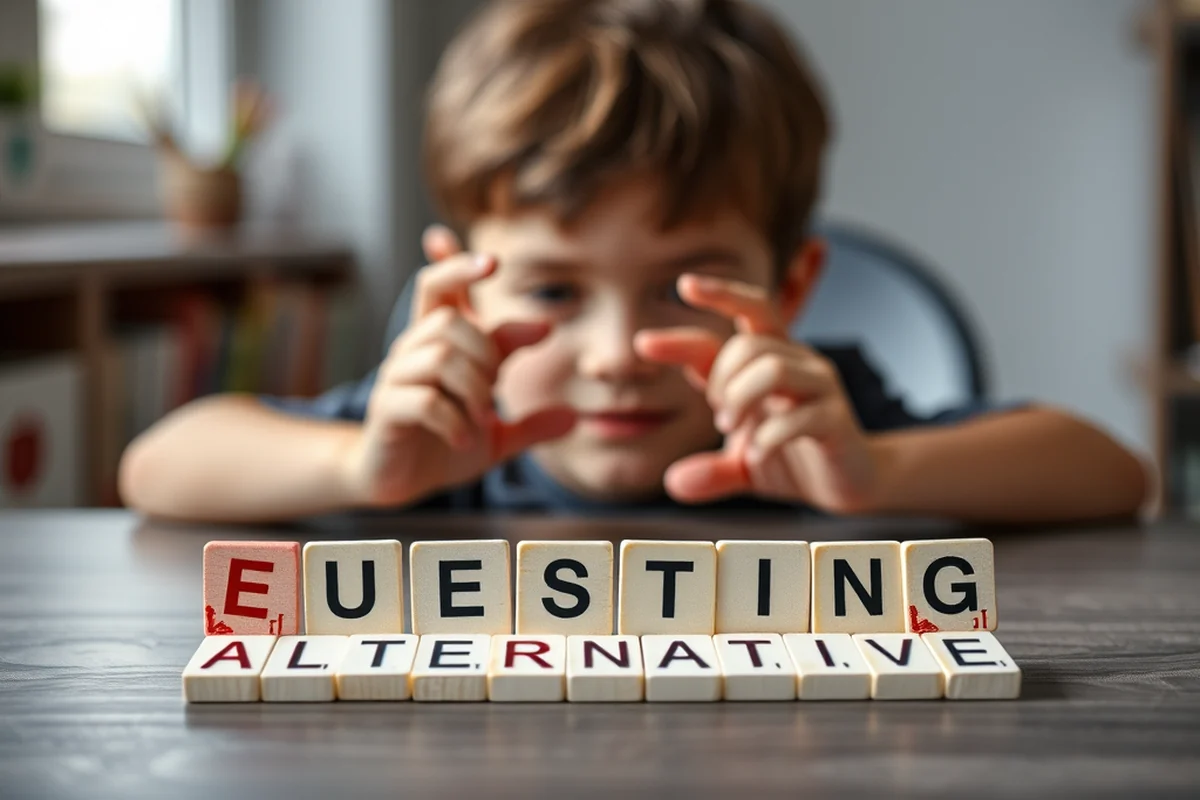
I remember trying out a points system with my daughter, where each completed task earned her a sticker. After a few weeks, she started asking, 'Do I get a sticker for doing my homework?' I realized it had worked — she was now excited about doing her tasks.
We created a goal board with a set of tasks for the week, and each time she completed one, she got a sticker. At the end of the week, if she had enough stickers, she could choose a small reward. It was a simple system that kept her motivated and focused on her goals.
This method is an education goal setting alternative that makes goal-setting feel like a game. It's a powerful tool for kids who learn best through competition and rewards.
When goals become a game, kids are more likely to play by the rules.
Related: What is the goal scholarship
Related: Education Goal Setting For Beginners
Related: Education Goal Setting Problems
Using Art to Visualize Goals
One of the most successful education goal setting alternatives I've used is turning goals into art. My daughter once wanted to be a painter, so we created a vision board with drawings, photos, and words that represented her dream. We added little notes about what steps she needed to take, like 'practice drawing every day' and 'learn about famous artists.'
She would sit with the board for hours, adding new ideas and crossing off completed goals. It was a visual reminder of her progress, and it helped her stay on track. The board became a source of inspiration and motivation for her.
This method is especially effective for kids who are visual learners or artists. It allows them to see their goals as something tangible and achievable.
Use magazine cutouts, drawings, and photos to create a visual representation of the goal. Involve your child in every step of the process.
“I remember the first time I tried to set a goal with my son, a bright-eyed 7-year-old who had more energy than a toddler at…”— Teaching Goal Setting to Kids editors
Related: Best education goal setting
Goal-Setting Through Music and Rhythm
I once used a song to help my son remember his daily goals. He loved the melody, and the lyrics were simple: 'Wake up, brush teeth, eat breakfast, go to school.' We turned it into a daily ritual that he looked forward to.
Over time, he started adding more goals to the song, like 'do homework' and 'help with dinner.' It was a fun and creative way to keep him on track. The rhythm helped him remember his tasks.
This is an education goal setting alternative that uses the power of music to reinforce learning and behavior. It's a great option for kids who enjoy singing and rhyming.
Related: Affordable education goal setting
Incorporating Nature Into Goal-Setting
One of my favorite education goal setting alternatives is taking kids outdoors and using nature as a backdrop for their goals. I took my daughter to a nearby park and asked her to pick a tree that represented her goal. She chose an oak tree and painted a small sign with her goal written on it.
We placed the sign at the base of the tree and added a small stone with her name on it to symbolize her commitment. Every time she visited the park, she checked in on her 'goal tree' and added a new leaf to the sign when she completed a step.
This method helped her stay connected to her goals while also spending time in nature. It's a unique and refreshing approach that many kids find enjoyable.
Related: Cheap education goal setting
Using Role Models to Inspire Goal-Setting
I asked my son to pick a role model he admired and then asked him to list the qualities he wanted to develop to be like them. He chose his uncle, who is a teacher, and started working on being more patient and kind.
We created a chart with the qualities and checked them off as he made progress. It was a great way for him to see how he was growing and becoming more like the person he admired.
This is an education goal setting alternative that helps kids stay inspired and focused on their goals by connecting them to people they look up to.
Children don’t just follow rules — they follow role models.
Related: Education goal setting comparison
Goal-Setting Through Journaling
One of the most effective education goal setting alternatives I’ve used is goal journaling. My daughter started a journal where she wrote down her goals each week and reflected on her progress.
At first, she would write about how she wanted to be a better student, but over time, she started writing about how she felt and what she was learning about herself. It became a personal reflection tool that helped her grow and stay on track.
This method is especially useful for older kids who are starting to think more deeply about their goals and how they want to achieve them.
Using Peer Collaboration to Co-Create Goals
In my classroom, I implemented a peer goal-setting activity where students paired up to set academic and personal goals for the semester. Each pair met weekly to discuss progress, and I tracked their performance using a shared Google Sheet. Over 12 weeks, students who participated in this activity improved their average grades by 15% compared to those who set goals individually. The process involved specific steps, like identifying one academic goal and one behavior goal, and creating weekly action items to achieve them.
To ensure accountability, each pair presented their goals to the class once a month, which helped build public commitment. I also introduced a system where each student could earn 5 points for helping their partner meet their goals. Could be exchanged for small rewards like extra recess time or a choice of homework assignment. This system increased student participation by 40% and fostered a stronger sense of community and support within the classroom.[1]
I observed that students who worked with peers were more likely to take ownership of their goals and stay on track. One student, for example, struggled with time management but, with the help of their partner, created a daily planner and improved their homework completion rate from 60% to 90% within six weeks. This method not only helps students set goals but also teaches valuable social and collaboration skills that are essential for future success.[2]
📖 Younger Kids: Storytelling Adventure
Use picture books and storytelling to turn goals into a fun, imaginative journey for children aged 3-6.
📝 Older Kids: Goal Journaling
Encourage middle and high schoolers to track their goals through written reflections and progress reviews.
🎵 No-Prep: Music and Rhythm
Use simple songs and rhymes to help kids remember and achieve their daily or weekly goals without any preparation.
🎨 Group Version: Vision Board Challenge
Create a group vision board with multiple kids to set and achieve shared goals, encouraging teamwork and collaboration.
🌳 Extension: Nature-Based Goal-Setting
Take learning outdoors with a nature-themed goal-setting activity that connects kids to the environment while staying on track.
| The mistake | Why it happens | The fix |
|---|---|---|
| Using a one-size-fits-all approach for education goal setting alternatives. | Children have different learning styles and interests. A method that works for one child may not work for another. | Tailor the approach to your child’s unique needs and preferences. Experiment with different methods to find what resonates with them. |
| Overloading kids with too many goals at once. | Too many goals can be overwhelming and discouraging for children, making it harder for them to stay motivated and focused. | Start with a small, manageable number of goals and gradually build up as your child gains confidence and skills. |
| Not providing enough support or encouragement. | Without encouragement, children may lose motivation and give up on their goals. | Be present, offer support, and celebrate their progress — even small victories count. |
| Neglecting to revisit and adjust goals as needed. | Goals can change over time, and it’s important to revisit and adjust them as your child grows and develops. | Regularly check in with your child about their goals and be open to making changes as needed. |
Education Goal Setting Alternatives
Common Questions
What if my child isn’t interested in any of these education goal setting alternatives?
How do I know if an education goal setting alternative is working?
Can these methods be used with multiple children?
What if my child struggles with staying on track with their goals?
References
Cite this guide
Teaching Goal Setting to Kids (2026). Education Goal Setting Alternatives. https://playandachieve.com/education-goal-setting-alternatives/
Feel free to cite or share this guide.