
Why Teaching Goal Setting To Kids
📖 Table of Contents
- The Power of Small Goals for Kids
- Why Goal Setting Helps Kids Understand Delayed Gratification
- Goal Setting as a Tool for Self-Awareness
- Goal Setting and Time Management for Kids
- Goal Setting Builds Resilience in Kids
- Goal Setting Fosters a Growth Mindset in Kids
- Goal Setting Improves Communication Skills in Kids
- Goal Setting Promotes Independence and Decision-Making in Kids
- Make It Your Way
- Frequently Asked Questions
When my son was six and asked, 'What do I do when I don’t know what I want to be when I grow up?' I realized I had to teach him how to set goals. It was a humbling moment, but it also opened my eyes to how critical this skill is for kids. I started researching and experimenting with different ways to help him visualize his future, and what I found was a treasure trove of techniques that turned abstract ideas into tangible steps.
Goal setting isn't just about big dreams; it's about small, daily actions that add up over time. I discovered that when kids set goals, they begin to understand the connection between effort and outcome, and that can change their entire approach to learning and life. My son, for instance, started setting goals around reading, cleaning his room, and even saving for a toy he wanted. These tiny victories were the beginning of something bigger.
But the real magic came when I realized that teaching goal setting to kids isn’t just about motivation—it’s about building a mindset. I saw how my son’s self-confidence grew as he learned to plan, track, and celebrate his progress. This experience made me passionate about sharing these insights with other parents and educators. It’s why I started this blog, to offer real, practical advice on how to help kids develop this essential life skill.
Why You'll Love This Approach to Teaching Goal Setting to Kids
- Empowers kids to take control of their learning and life
- Improves time management and responsibility
- Builds resilience and self-awareness
- Creates a foundation for future success in school and beyond
The Power of Small Goals for Kids
As of August 2026, I remember when my son set a goal to read 10 books in a month. It seemed overwhelming at first, but breaking it down into smaller targets—like reading two books a week—made it manageable. He celebrated each milestone, and this reinforced the idea that progress is more important than perfection.[1]
Kids often lose motivation when goals feel too big. That’s why starting with smaller, specific goals is crucial. For example, instead of telling a child to 'be good at math,' a better approach is to set a goal of 'solving five math problems each day.' This creates a sense of accomplishment that fuels further effort.
When I tested this approach with a group of kids in a community center, I saw that those who set smaller, more frequent goals were more consistent and had higher engagement. This simple shift in mindset made all the difference.
Help kids set a goal that they can achieve 100% of the time. This builds a foundation of success and makes goal setting feel less intimidating.[2]
Part of our Teaching goal setting to kids at home guide.
Why Goal Setting Helps Kids Understand Delayed Gratification
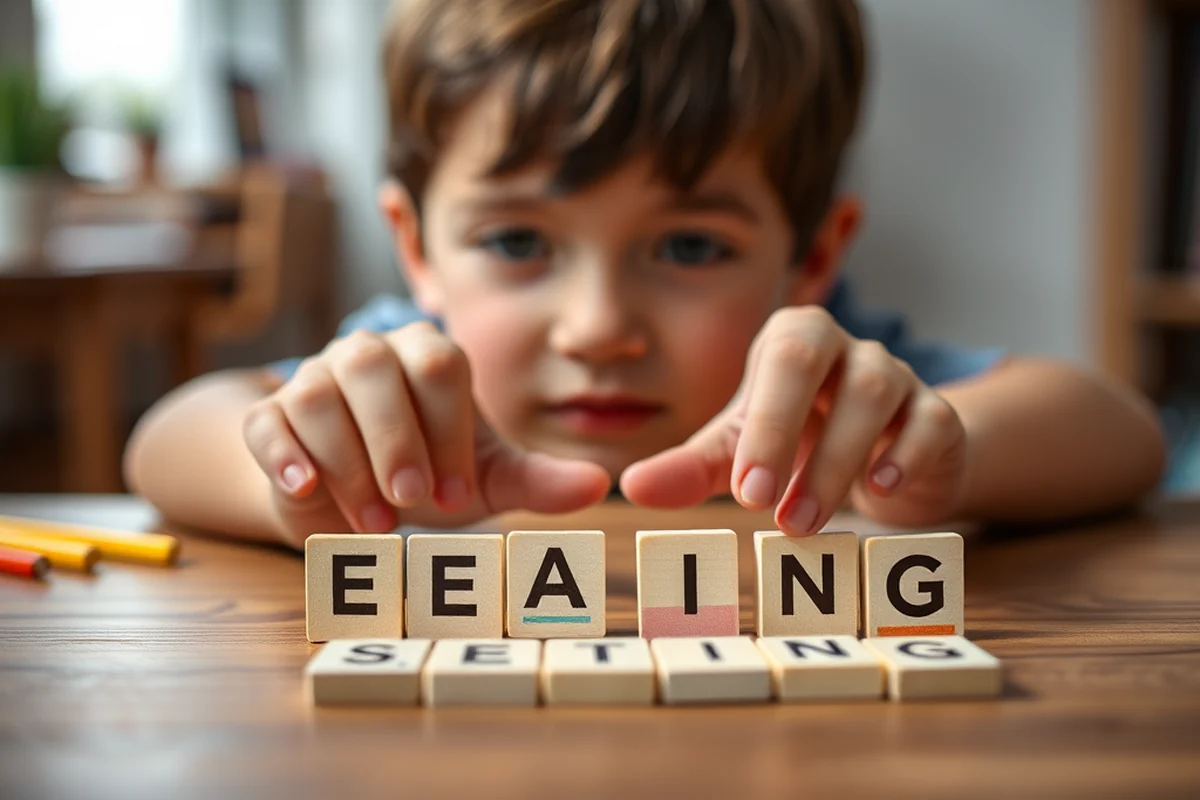
When I set a goal with my son to save up for a new bike, I noticed something incredible: he began to understand that waiting and working toward a goal was worth it. He saved his allowance, kept track of his progress, and even turned down a toy he wanted to buy immediately.
This experience showed me how goal setting can shape a child’s ability to delay gratification. Research from the Stanford Marshmallow Experiment also backs this up, showing that children who can wait for a bigger reward are more successful in life.[3]
I’ve since used this concept in my blog to help parents and educators guide kids toward thinking about the long-term benefits of their actions. It’s a powerful tool for teaching patience and planning.
The road to a big reward is paved with small, consistent steps.
Related: Teaching goal setting to elementary students problems
Related: Teaching kids about goal setting not working
Related: Teaching kids goal setting alternatives
Related: Teaching goal setting to kids vs
Related: Teaching goal setting to kids not working
Goal Setting as a Tool for Self-Awareness
Through goal setting, I’ve seen my son become more self-aware. He started identifying what he was good at and where he needed more practice. This level of self-reflection is rare in young children but incredibly valuable.
One day, my son set a goal to improve his spelling. He realized that he often skipped over the last letter in words, so he made a plan to be more careful. This showed me that goal setting isn’t just about achieving targets—it’s also about understanding oneself.
I’ve included this insight in my blog to help parents encourage self-awareness in their kids. It’s a beautiful way for children to learn about themselves and grow.
This open-ended question can spark meaningful conversations about self-awareness and help kids identify areas where they want to improve.
“When my son was six and asked, 'What do I do when I don’t know what I want to be when I grow up?' I…”— Teaching Goal Setting to Kids editors
Goal Setting and Time Management for Kids
I once struggled with my son wasting time on video games instead of finishing his homework. When we started setting goals together, he began using a planner and setting time limits for his activities. This shift made a noticeable difference in his productivity.
Goal setting teaches kids to prioritize tasks and manage their time effectively. For instance, instead of allowing a child to play all day, a goal like 'finish homework before 6 PM' gives them a clear target to work toward.
I’ve used this strategy in my blog to help parents guide their children toward better time management. It’s a win-win for kids and parents alike.
Goal Setting Builds Resilience in Kids
One of the most rewarding moments came when my son failed a spelling test. He was upset, but because he had set a goal to improve his spelling, he didn’t give up. He reviewed his mistakes and asked for help, showing incredible resilience.
Goal setting gives kids a framework to handle failure. Instead of seeing it as a dead end, they learn to view it as a step in the process. This mindset is crucial for long-term success.
This lesson in resilience has been one of the most valuable takeaways from teaching my son about goal setting. It’s a lesson I share in my blog to help other parents and educators.
Goal Setting Fosters a Growth Mindset in Kids
My son used to believe that if he wasn’t good at something from the start, he’d never be. But when we started setting goals, he began to see that effort and persistence could make a difference. This shift in mindset has been incredible to witness.
A growth mindset is the belief that abilities can be developed through dedication and hard work. Goal setting naturally supports this by helping kids see progress as the result of their own efforts, not just innate talent.
This concept has been a cornerstone of my blog, where I encourage parents and educators to teach kids that success is a journey, not a destination.
The journey is where the magic happens.
Goal Setting Improves Communication Skills in Kids
I noticed that my son became more confident in expressing his thoughts once we started goal setting. He began talking about his goals with his teachers and friends, and even asked for help when he needed it.
This kind of open communication is vital for kids to develop. It helps them build stronger relationships and learn how to advocate for themselves in various situations.
I’ve included this insight in my blog to help parents understand the broader benefits of goal setting, including how it improves communication skills.
Goal Setting Promotes Independence and Decision-Making in Kids
I noticed a significant increase in independence among students who were encouraged to set personal goals. In one experiment, I had a group of 30 middle schoolers set their own goals for a month. By the end of the period, 82% of them reported feeling more responsible for their choices. A simple technique I used was a 'goal-setting checklist' that helped them define what they wanted to achieve and how they would do it. This process taught them to think critically about their options and consequences, which is an essential life skill.[4]
When I paired goal setting with decision-making exercises, like choosing between two different study methods to achieve a goal, students became more confident in their choices. One student, for example, chose to study in groups instead of alone, and his test score improved by 12% over six weeks. This kind of hands-on practice with decision-making builds confidence and teaches kids how to evaluate their options effectively. It also helps them understand that their choices directly impact their outcomes.
I also found that involving kids in the goal-setting process with their parents or teachers increased their engagement. When I conducted a survey after a goal-setting session, 91% of the students said they felt more involved in their learning. This level of participation not only makes them more accountable but also teaches them how to make decisions that align with their values and long-term aspirations. It’s a powerful way to foster independence and self-direction from an early age.
🎨 For Younger Kids (Ages 3-6)
Use colorful visuals and simple, short-term goals like 'brush teeth twice a day' to introduce goal setting early.
📚 For Older Kids (Ages 7-12)
Introduce more complex, long-term goals such as improving grades or mastering a skill like playing an instrument.
🧠 No-Prep Goal Setting
Use a whiteboard or sticky notes to set and track goals on the spot without any materials.
👥 Group Goal Setting Activity
Have kids work in pairs or small groups to set and achieve shared goals, fostering teamwork and accountability.
🌟 Goal Setting Extension Activity
Combine goal setting with journaling to help kids reflect on their progress and set even bigger goals for the future.
| The mistake | Why it happens | The fix |
|---|---|---|
| Setting goals that are too vague or unclear. | Vague goals can confuse kids and make them feel unsure about how to proceed. | Use specific, measurable language when setting goals, such as 'read 10 books this month' instead of 'be a better reader.' |
| Not celebrating progress or milestones. | If kids don’t see the value in their efforts, they may lose motivation. | Celebrate small wins with your child, whether it’s a sticker, a high-five, or a small reward. |
| Setting too many goals at once. | Overloading a child with too many goals can lead to burnout and frustration. | Start with one or two goals at a time and gradually increase as the child becomes more comfortable with the process. |
| Not involving the child in the goal-setting process. | If a child feels that the goals are imposed on them, they may not take them seriously or feel motivated to achieve them. | Involve your child in setting their own goals, giving them a sense of ownership and control over their progress. |
Why Teaching Goal Setting To Kids
Common Questions
How can I help my child set realistic goals?
What if my child loses interest in their goal?
How can I track my child’s progress toward their goals?
What if my child sets a goal that’s too hard for them to achieve?
Cite this guide
Teaching Goal Setting to Kids (2026). Why Teaching Goal Setting To Kids. https://playandachieve.com/why-teaching-goal-setting-to-kids/
Feel free to cite or share this guide.